
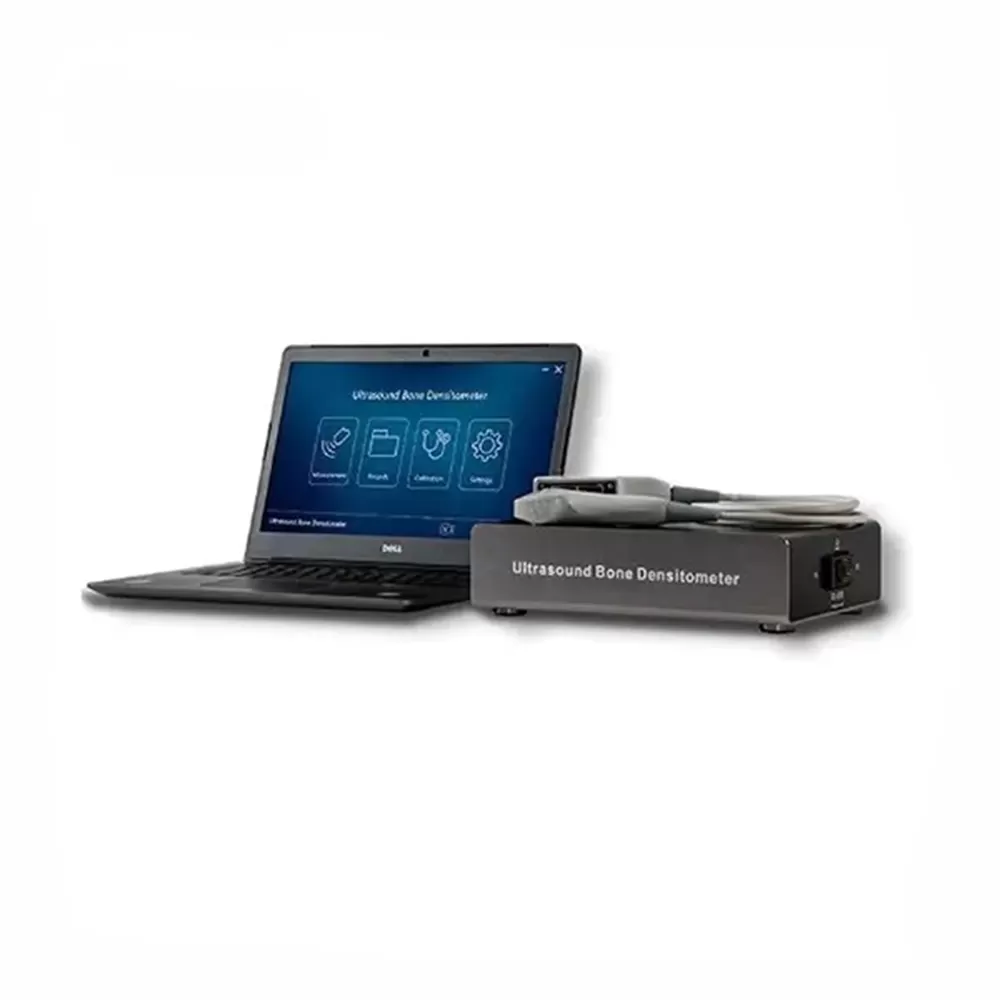
Portable Ultrasound Bone Densitometry BMD-A1 Osteoporosis Detector


Main Function
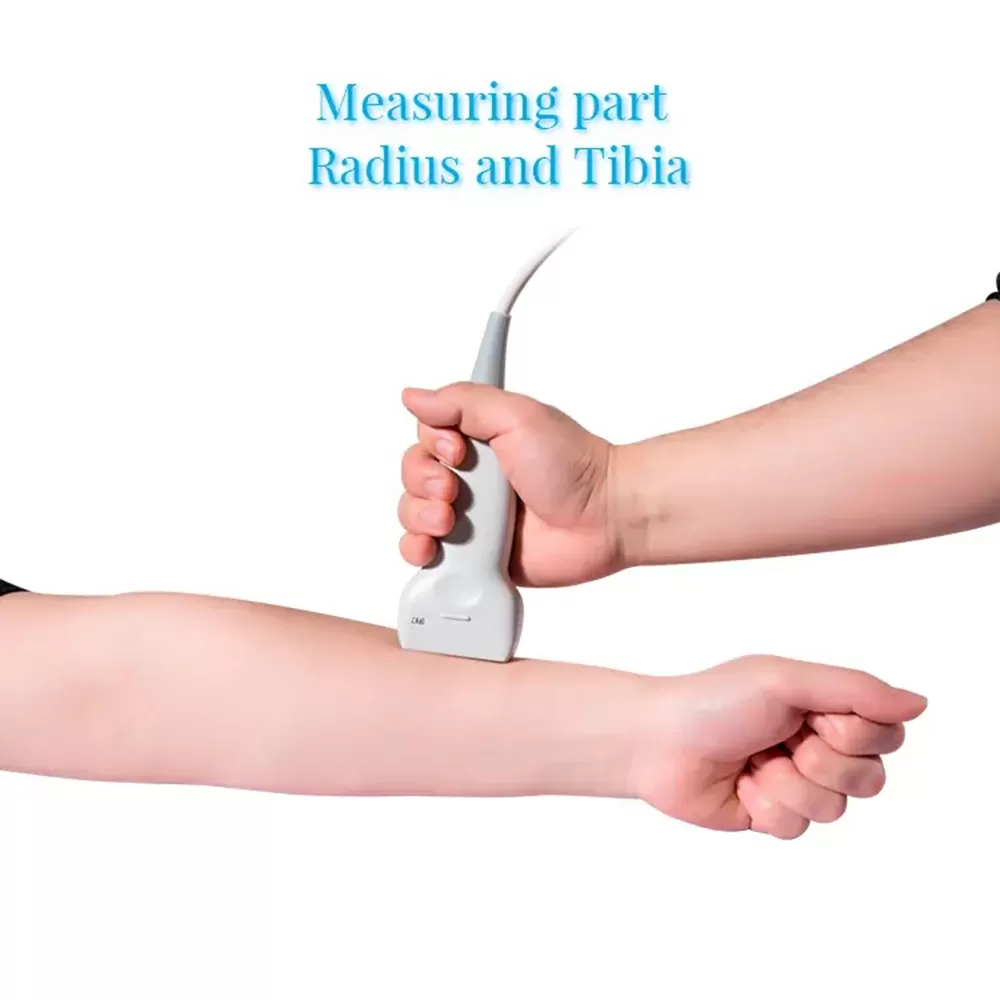
Bone Densitometry is to measure the bone density or bone strength of the People's radius and tibia. It is for Preventing osteoporosis.
Application
This portable model is the best choice for hospital outgoing examination, hospital wards, Mobile Inspection, Physical Examination Vehicle, Pharmaceutical factory, Pharmacy and Health Care Products promotion.
Application Range
Our Ultrasound Bone Densitometry always used for Maternal and Child Health Centers, Geriatric Hospital, Sanatorium, Rehabilitation Hospital, Bone Injury Hospital, Physical Examination Center, Health Center, Community Hospital, Pharmaceutical factory, Pharmacy and Health Care Products Promotion.
The Department of the General Hospital, Such as
Pediatric Department, Gynecology and Obstetrics Department,
Orthopedics Department, Geriatrics Department,
Physical Examination Department, Rehabilitation department,
Endocrinology Department.
Advantages
Ultrasound Bone Densitometry have low investment and benefit.
The advantages as following:
1. Low Investment.
2. High-usage.
3. Small limitation.
4. Fast return, no consumables.
5. High benefit.
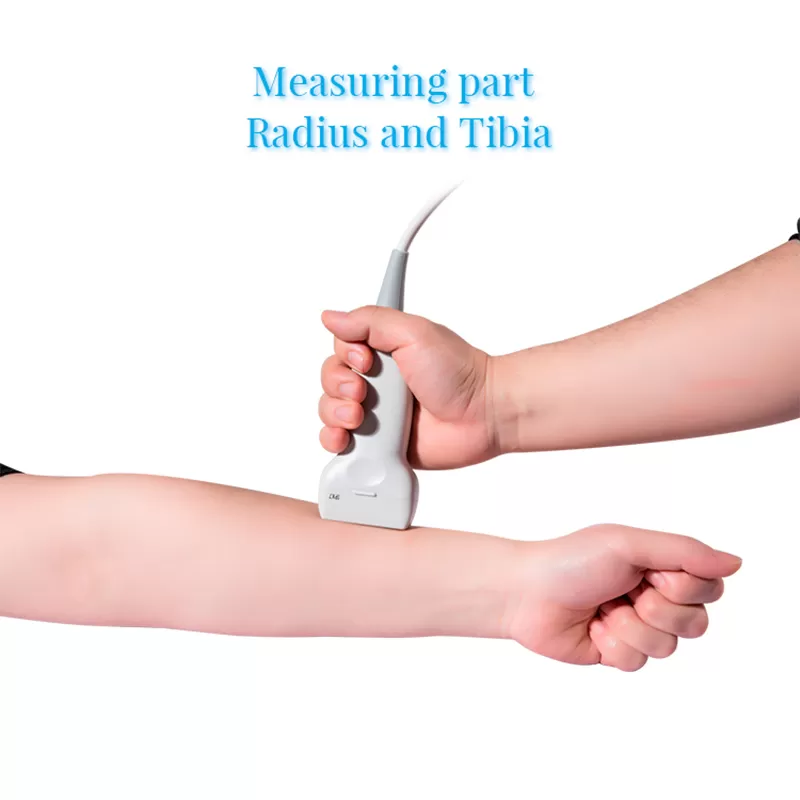
6. Measurement parts: Radius and Tibia.
7. The probe adopts American DuPont technology.
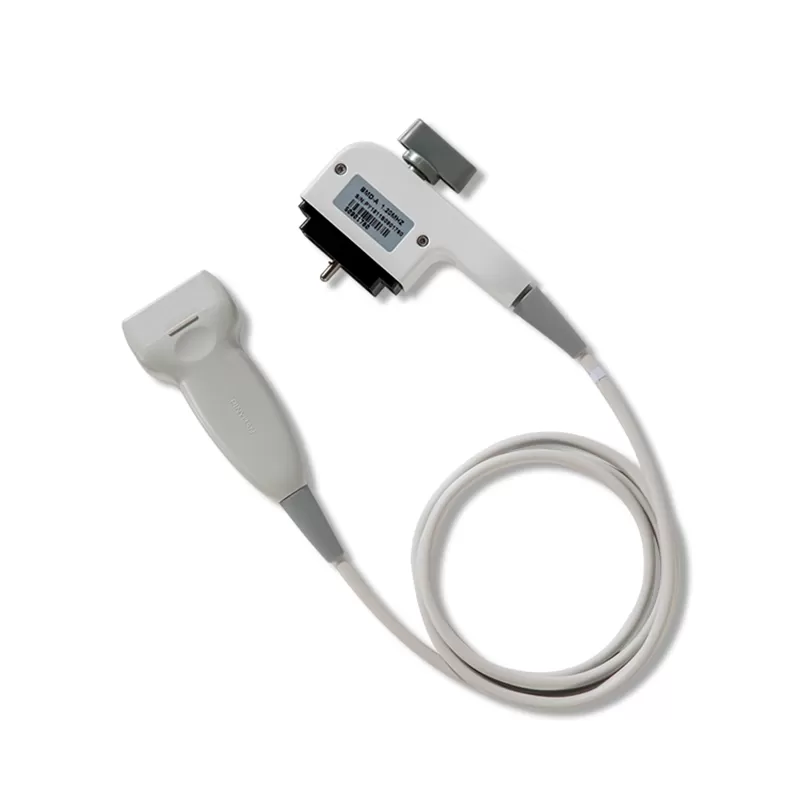
Measurement Parts: Radius and Tibia.
 |  |
 |  |
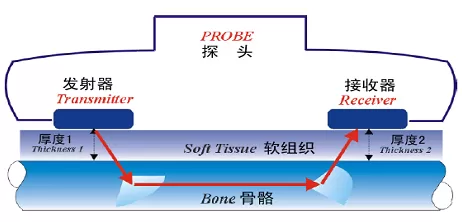
Operational Principle
Main Feature
●Portable model, easy to move.
●Precise and Artistic Mould Manufactured.
●Full dry technology, makes diagnostic more convenient.
●Measurement parts: Radius and Tibia.
●The measurement process is simple and fast.
●It with different countries clinical database, including: European, American, Asian, Chinese.
●High measurement speed, short measurement time.
●High Measurement Accuracy.
●Good Measurement Reproducibility.
●The particular correction system to correct system error effectively.
●WHO international compatibility. It measuring the people between the age of 0 and 120.(Children and Adult).
●English menu and Color Printer report.
●CE Certificate, ISO Certificate, CFDA Certificate, ROHS, LVD, EMC-Electro Magnetic Compatibility.
Bone Density Testing Results
Bone Density testing results will be in the form of two scores:
T score: This compares your bone density with a healthy, young adult of your gender. The score indicates if your bone density is normal, below normal, or at the levels that indicate osteoporosis.
Here’s what the T score means:
● -1 and above: Your bone density is normal
● -1 to -2.5: Your bone density is low, and it may lead to osteoporosis
● -2.5 and above: You have osteoporosis
Z score: This allows you to compare how much bone mass you have compared with other people of your age, gender, and size.
A Z score below -2.0 means that you have less bone mass than someone your age and that it could be caused by something other than aging.
Configuration
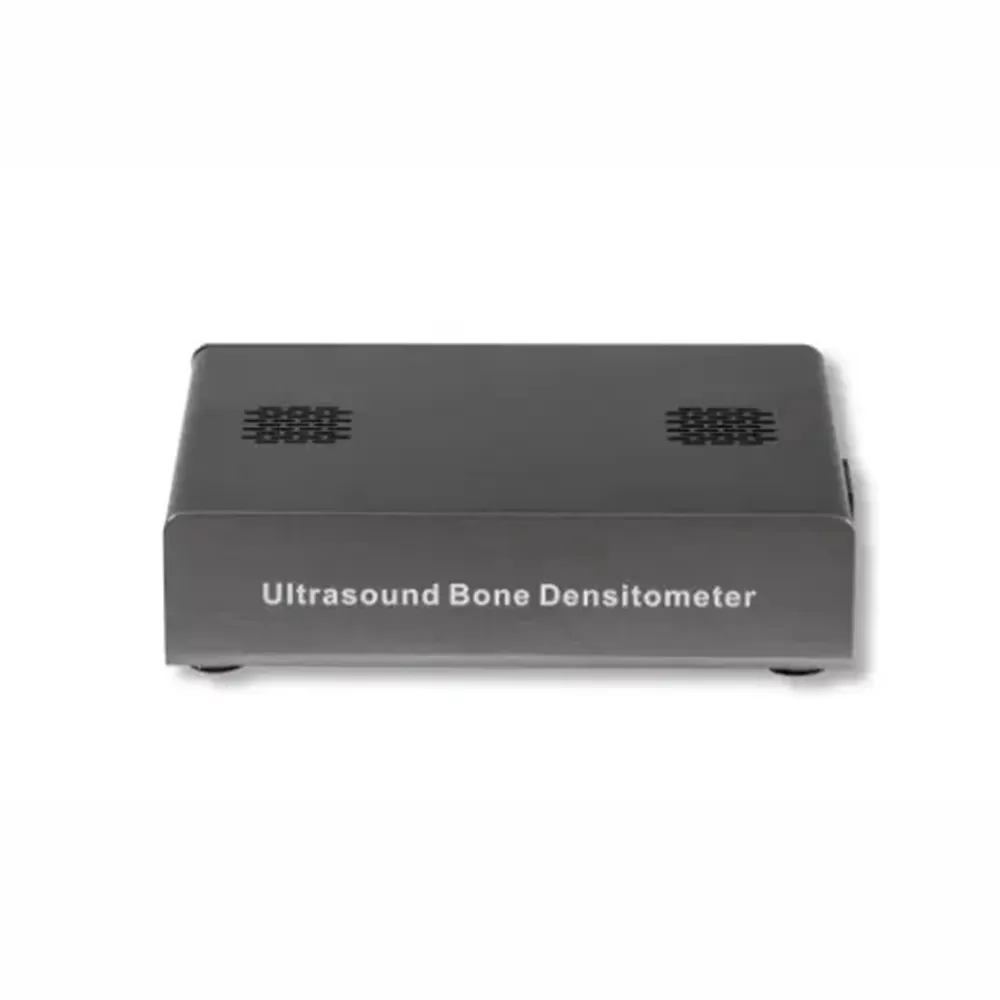
1. BMD-A1Ultrasound Bone Densitometer Main unit
2. 1.20MHz Probe
3. BMD-A1 Intelligent Analysis System
4. Calibrating Module (Perspex sample)
5. Disinfectant Coupling Agent
Note: the Notebook is Optional
One Carton
Size(cm): 40cm×40cm×40cm
G.W. :6 Kgs
N.W: 4 Kgs

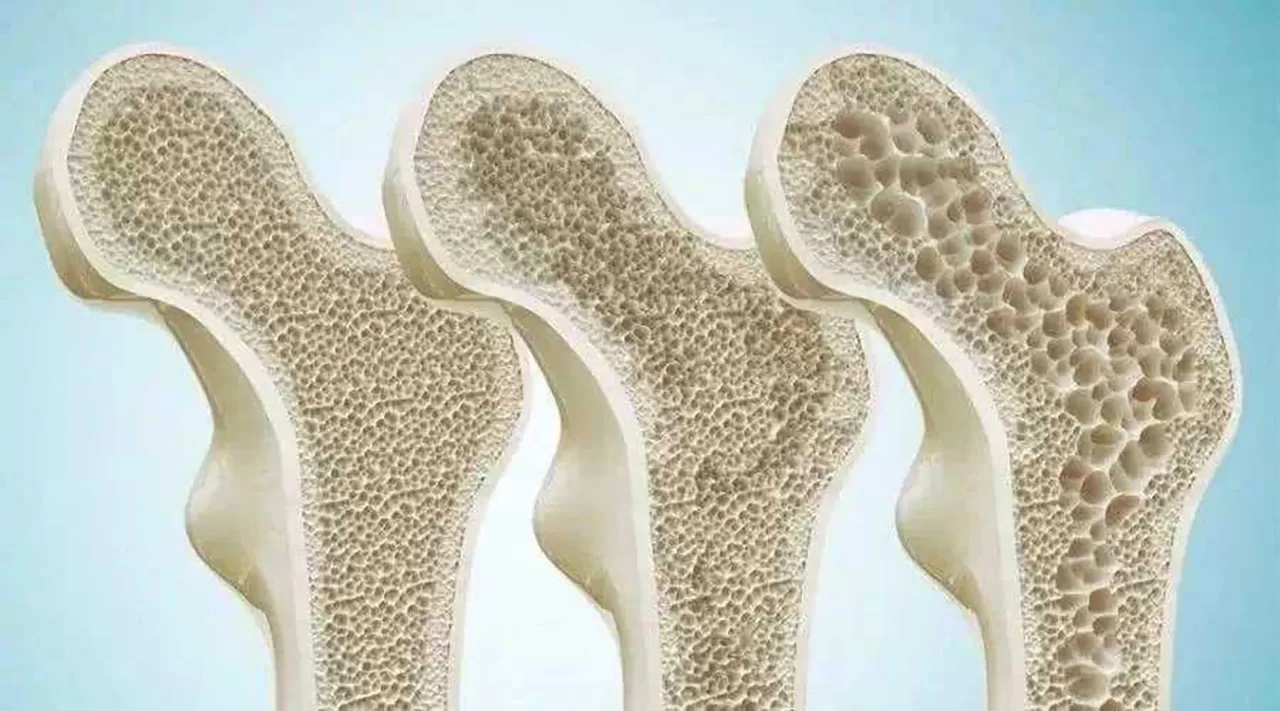
Bone Health(left) Osteopenia(middle) Osteoporosis(right)

FAQs for BMD-A1 Portable Ultrasound Bone Densitometer
1. How accurate is an ultrasound bone densitometer compared to a DEXA scan? Is it reliable for diagnosis?
The BMD-A1 provides high clinical accuracy (≤0.3%) and excellent reproducibility for screening and monitoring. While DEXA remains the gold standard for definitive osteoporosis diagnosis, quantitative ultrasound (QUS) is a globally recognized, validated tool. Its strengths are safety (no radiation), portability, and lower cost, making it ideal for widespread screening, risk assessment, and tracking bone density changes over time in settings from community clinics to hospital wards.
2. Is it truly safe for everyone, including children and pregnant women?
Yes, absolutely. Unlike DEXA or CT scans, our device uses harmless ultrasound waves, producing zero ionizing radiation. This makes it completely safe for repeated use on the most sensitive populations: children (age 0+), pregnant and lactating women, and the elderly. It is the safest choice for pediatric bone health assessment and maternal care.
3. What does "Full Dry Technology" mean, and what are the benefits?
"Full Dry Technology" means we use a special disinfectant coupling agent instead of messy, traditional ultrasound gel. This eliminates gel cleanup, reduces cross-contamination risk, speeds up patient turnover, and improves overall hygiene and operational efficiency in busy clinical environments.
4. Why only measure the radius (wrist) and tibia (shin)? Are these sites sufficient?
The radius and tibia are easily accessible, standardized cortical bone sites highly correlated with overall skeletal health and fracture risk. Measurement here is fast, reproducible, and highly sensitive to age-related bone loss. For population screening, triage, and general monitoring, they provide reliable and practical data without the complexity of central (spine/hip) DEXA scans.
5. How does the multi-ethnic clinical database (European, American, Asian, Chinese) improve results?
Bone density norms vary significantly by ethnicity. Our device automatically selects the correct reference database based on the patient's profile. This ensures that the T-score and Z-score results are accurate and clinically meaningful for your specific patient population, preventing misdiagnosis based on inappropriate comparisons.
6. As a portable device, is it suitable for hospital-grade use and accurate enough for doctors?
Yes. The BMD-A1 is built with industrial-grade components (embedded industrial control computer, multi-layer PCB) and meets strict medical standards (CE, ISO, CFDA). Its high accuracy and reproducibility make it a trusted tool not just for mobile outreach but also for departments like Orthopedics, Endocrinology, and Geriatrics within general hospitals for initial assessments and follow-ups.
7. What are the ongoing costs? You mention "no consumables" and "fast return on investment."
A major financial advantage is the extremely low operating cost. After purchase, there are no expensive disposable cartridges, reagents, or radiation source replacements. The only recurring item is the affordable disinfectant coupling agent. This leads to a high usage rate and rapid return on investment (ROI), especially in high-volume screening scenarios.
8. Can it be used in a pharmacy or for health product promotions? How?
It is perfect for these settings. The device serves as a powerful engagement tool to attract customers. You can offer free bone health screenings, providing objective data (T-score) that builds trust and scientifically guides customers toward appropriate calcium, vitamin D, or other bone health supplements, transitioning from general sales to personalized wellness consultations.
9. How easy is it to operate and get a report?
Operation is very simple: position the probe on the wrist or shin, and the device automatically completes the measurement in seconds. A full-color, comprehensive report (with T-score, Z-score, graphs, and risk analysis) is printed immediately on the built-in printer, requiring no manual calculations.
10. What do the T-score and Z-score on the report mean?
T-score: Compares the patient's bone density to that of a healthy young adult. -1.0 and above is normal, between -1.0 and -2.5 indicates low bone mass (osteopenia), and -2.5 and below suggests osteoporosis.
Z-score: Compares the patient to others of the same age, gender, and size. A Z-score below -2.0 may indicate a need to investigate causes beyond normal aging. Our reports clearly explain these results.
11. What support, training, and certifications are provided?
The device comes with full international certifications (CE, ISO, CFDA, EMC) ensuring safety and quality. We provide comprehensive operation training and a 1-year warranty. Our support includes permanent maintenance services with rapid response times to minimize any downtime.
12. How do you ensure consistency and accuracy over time?
The system features a built-in automatic calibration performed with each startup using a precision Perspex calibration module. This "particular correction system" ensures the device maintains its high accuracy and reproducibility day after day, year after year, with minimal operator intervention.
Popular Products
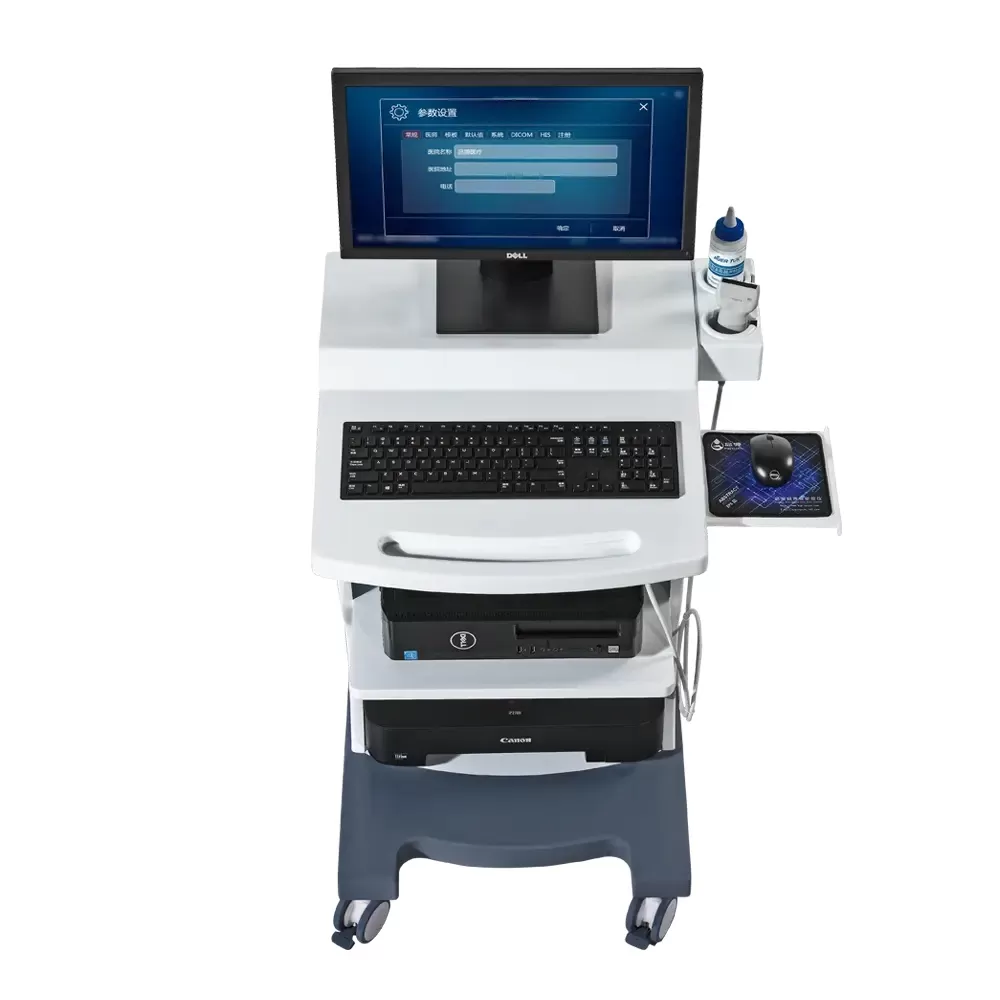
Ultrasound Bone Densitometer BMD-A1 Basic Osteoporosis Detector
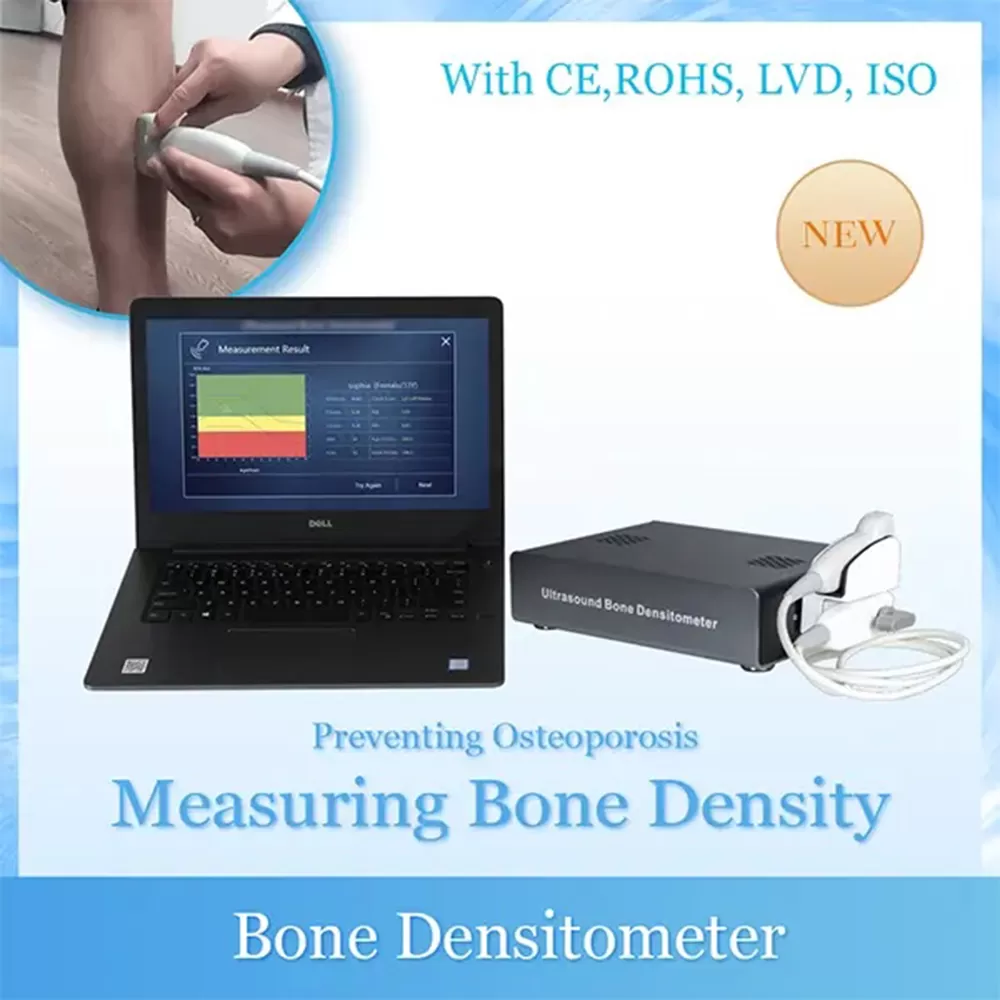
Portable Ultrasound Bone Densitometry BMD-A1 Osteoporosis Detector
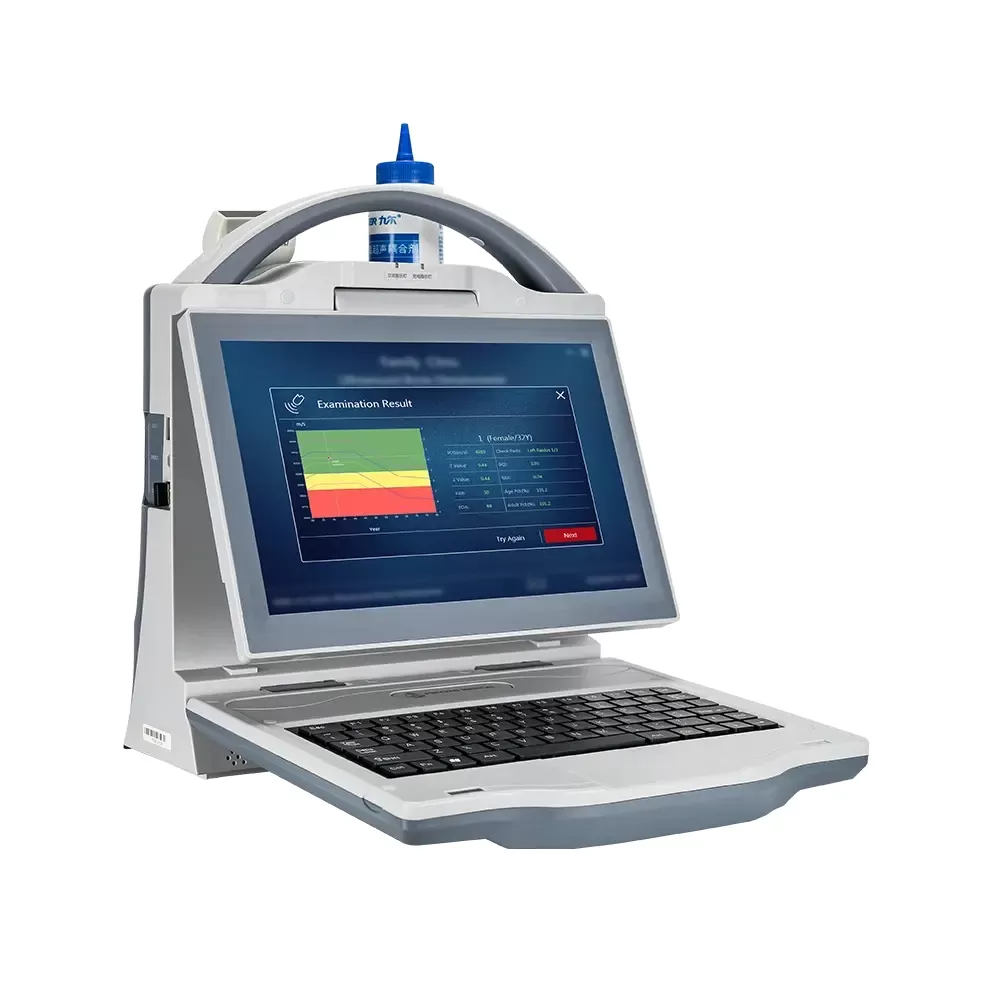
Portable Ultrasound Bone Densitometer BMD-A3
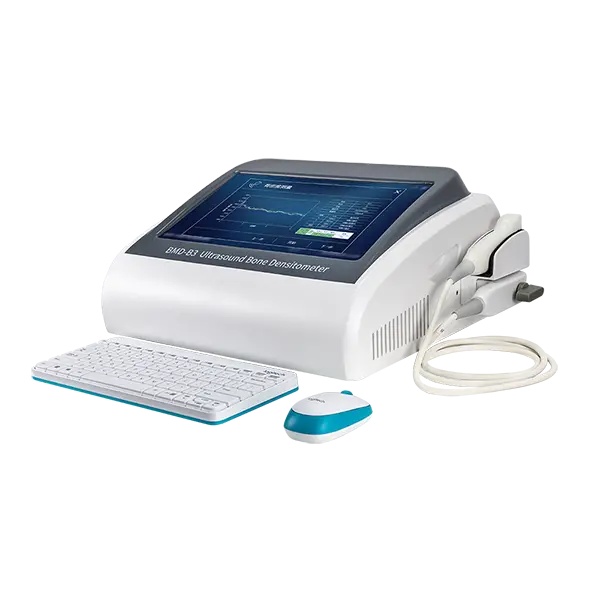
Automatic High Effective Portable Ultrasound Bone Densitometer BMD-B3
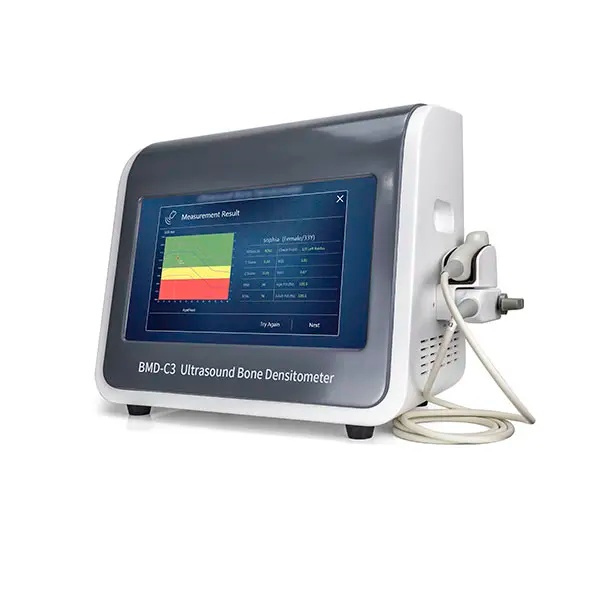
Portable Ultrasound Bone Densitometer BMD-C3
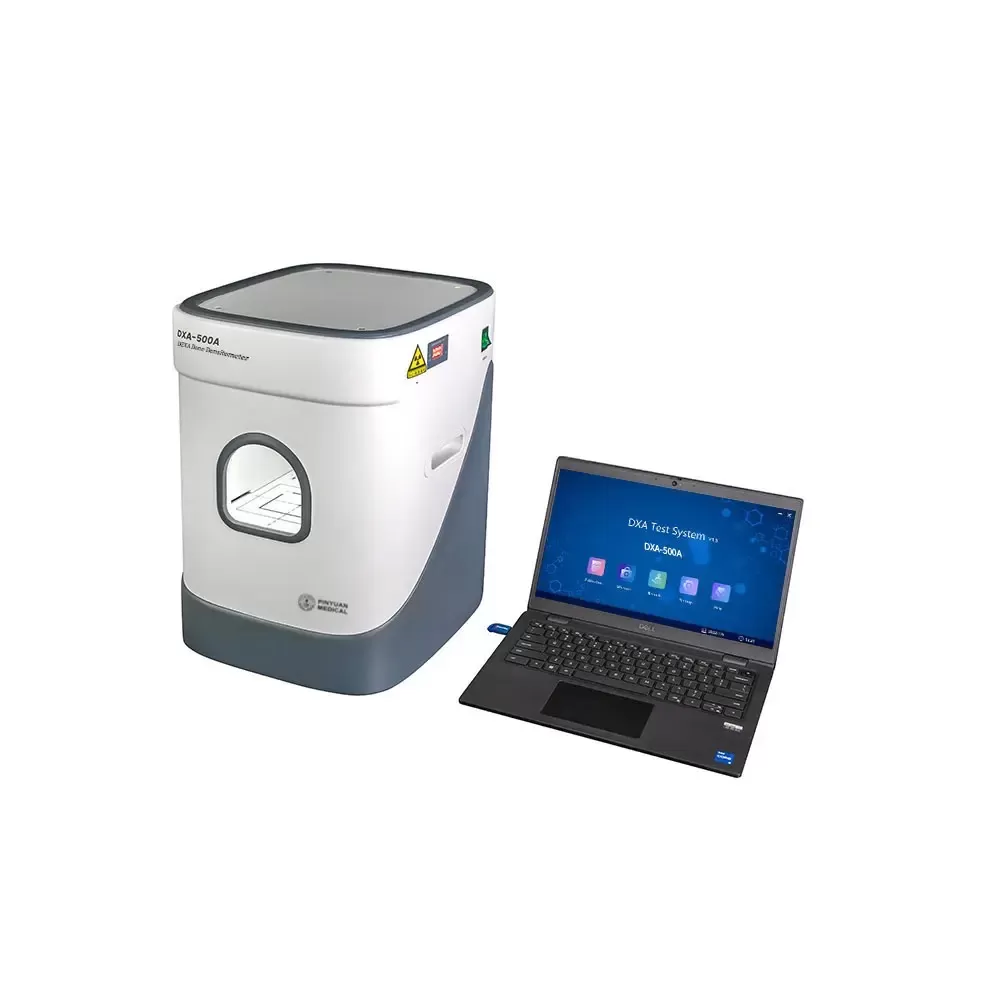
DXA Bone Densitometer 500A Dual-Energy X-ray Absorptiometry
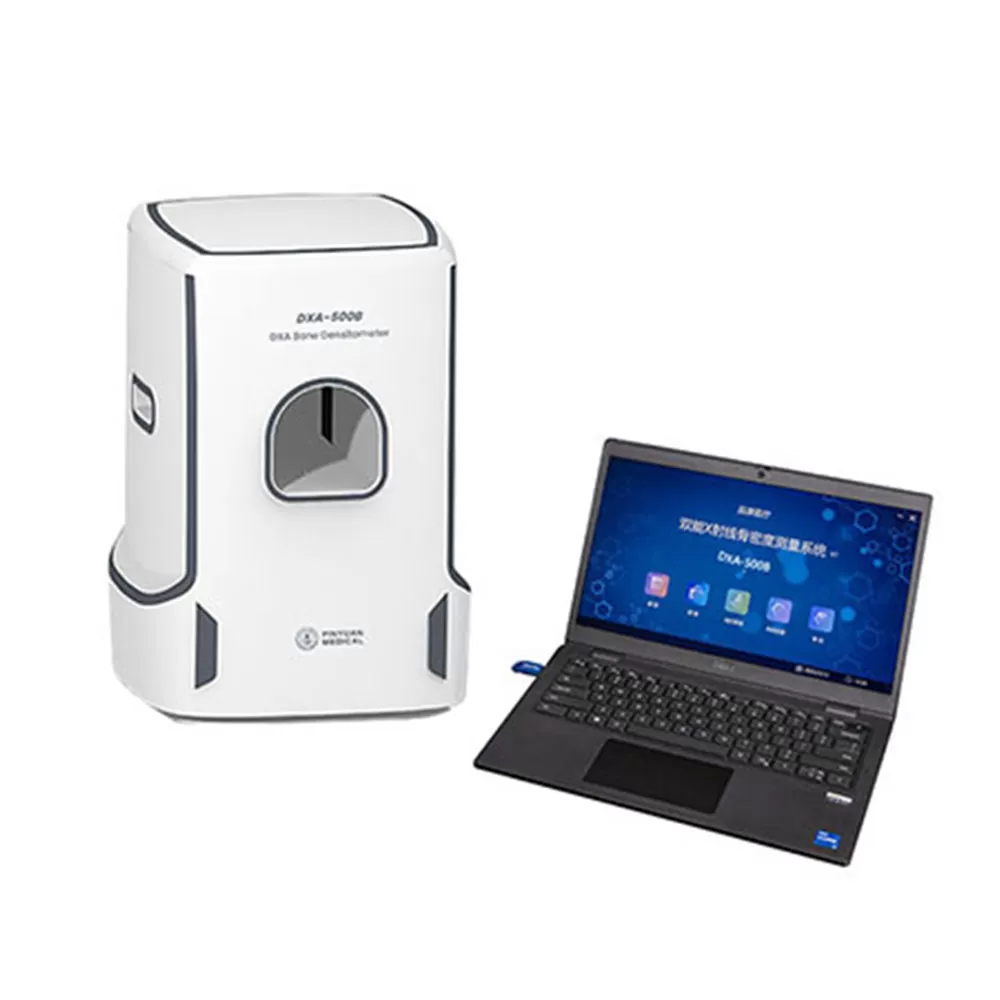
Dual-Energy X-ray Bone Densitometer DXA-500B
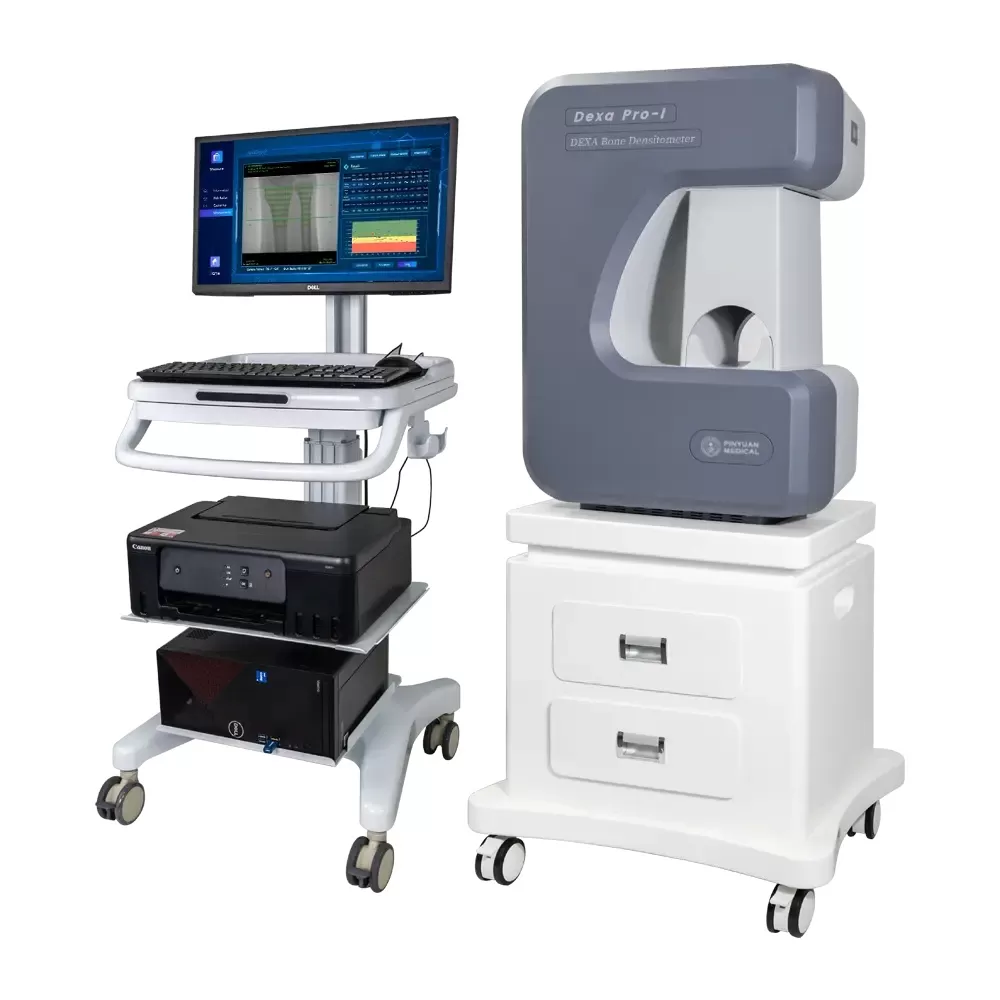
DXA Bone Densitometer DEXA Pro-1
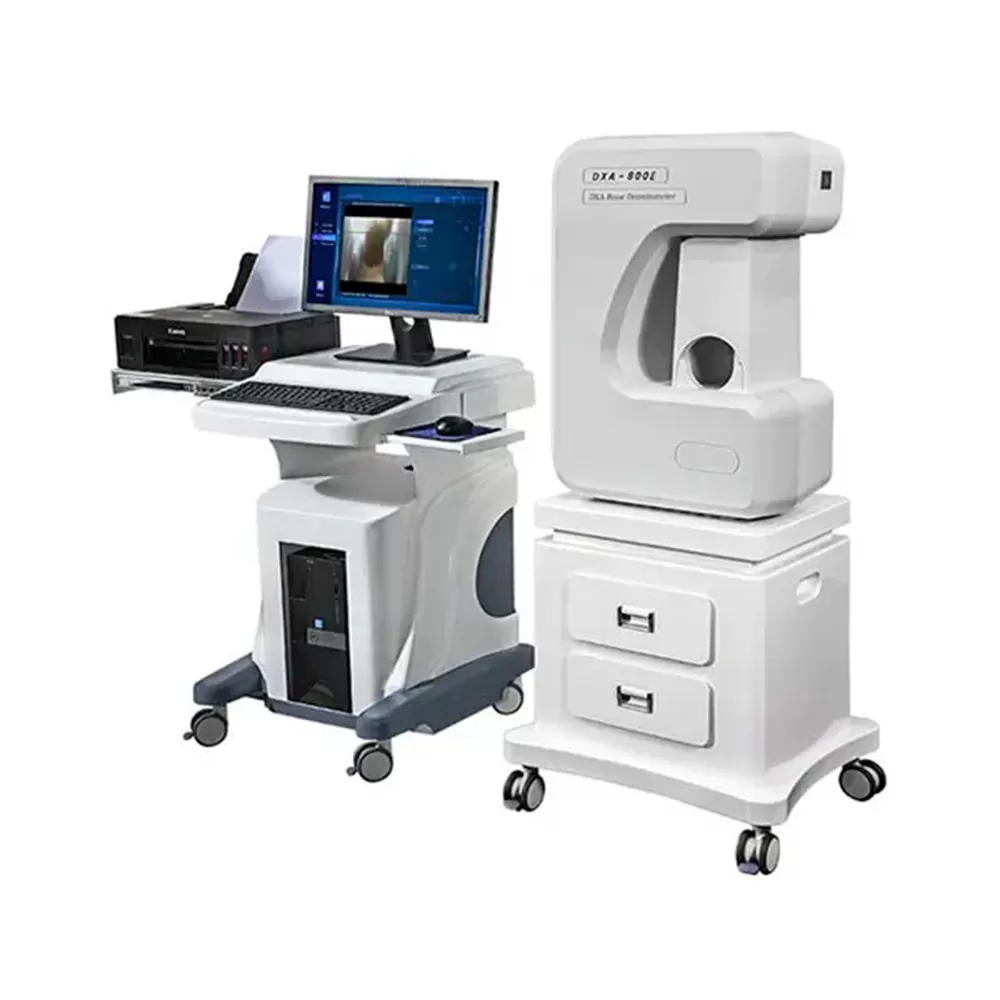
DXA Bone Densitometer 800E
X-ray Bone Density and Skeletal Age Instrument Discover-lll