
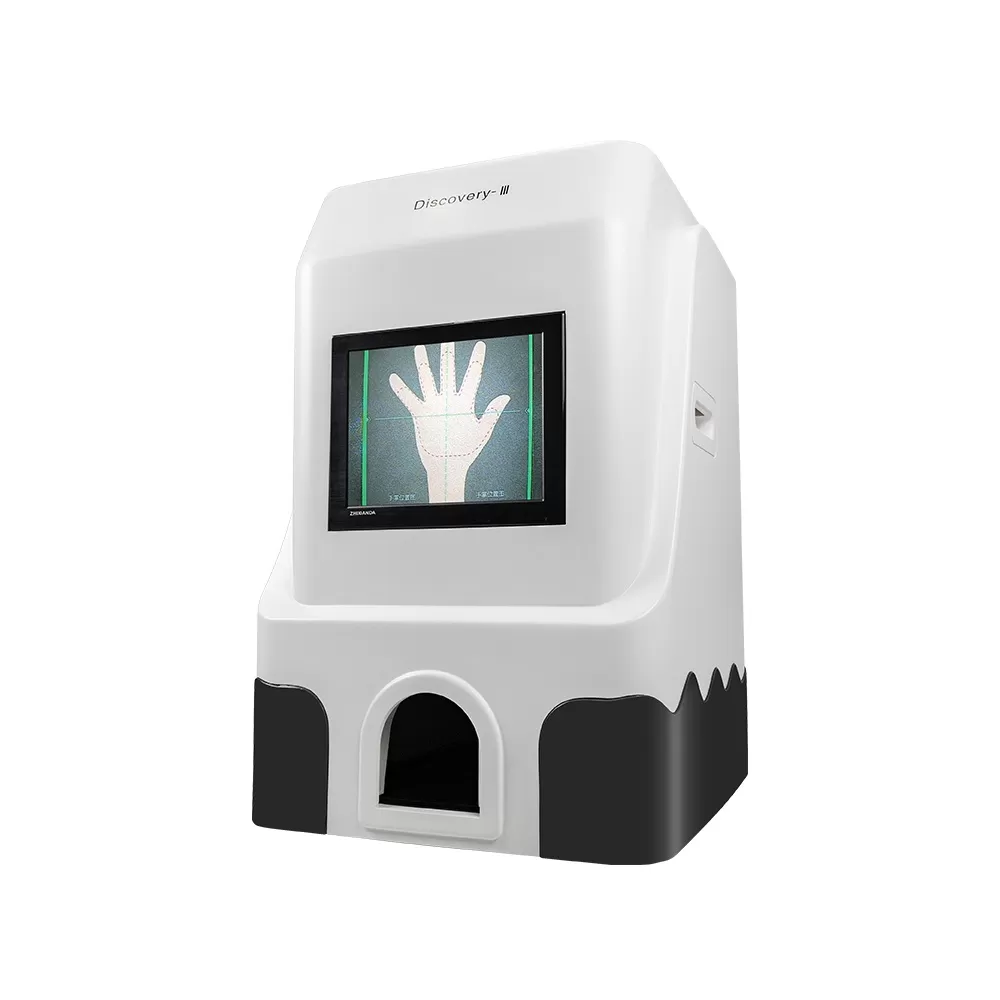
DXA Bone Densitometer 500A Dual-Energy X-ray Absorptiometry
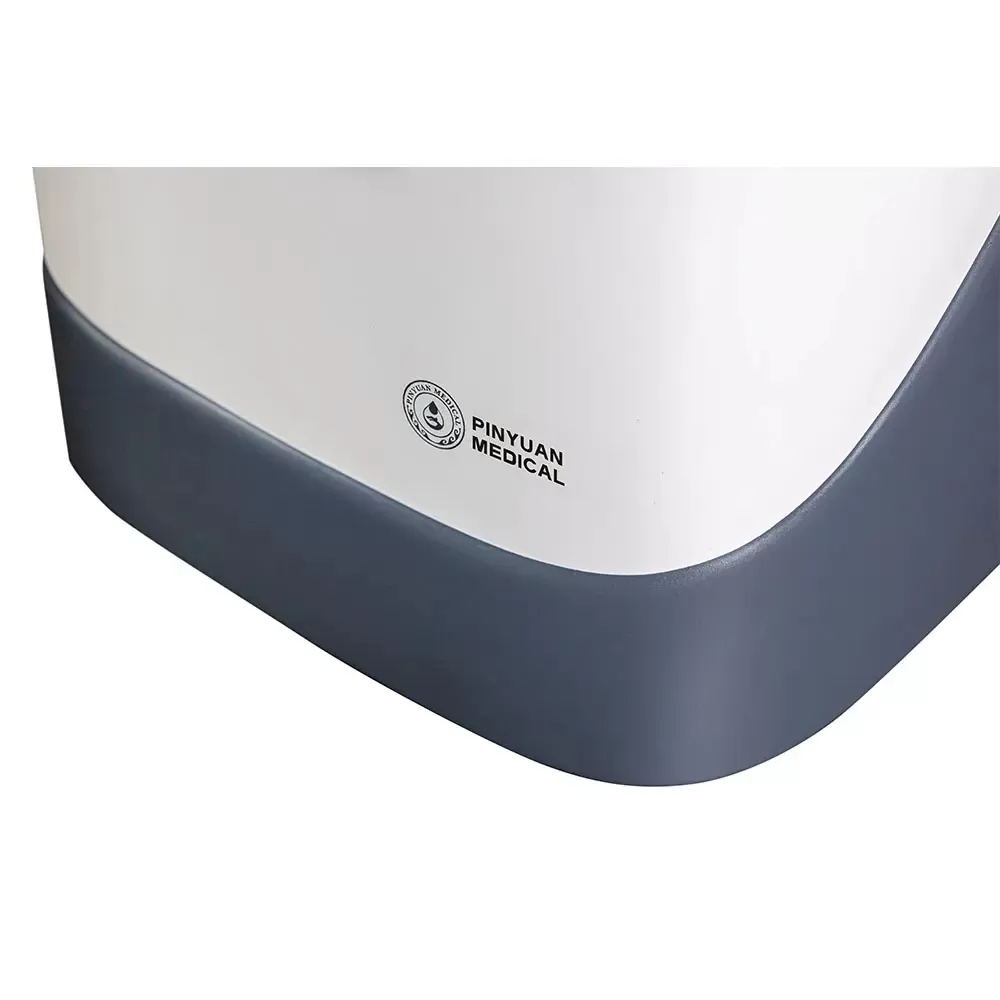
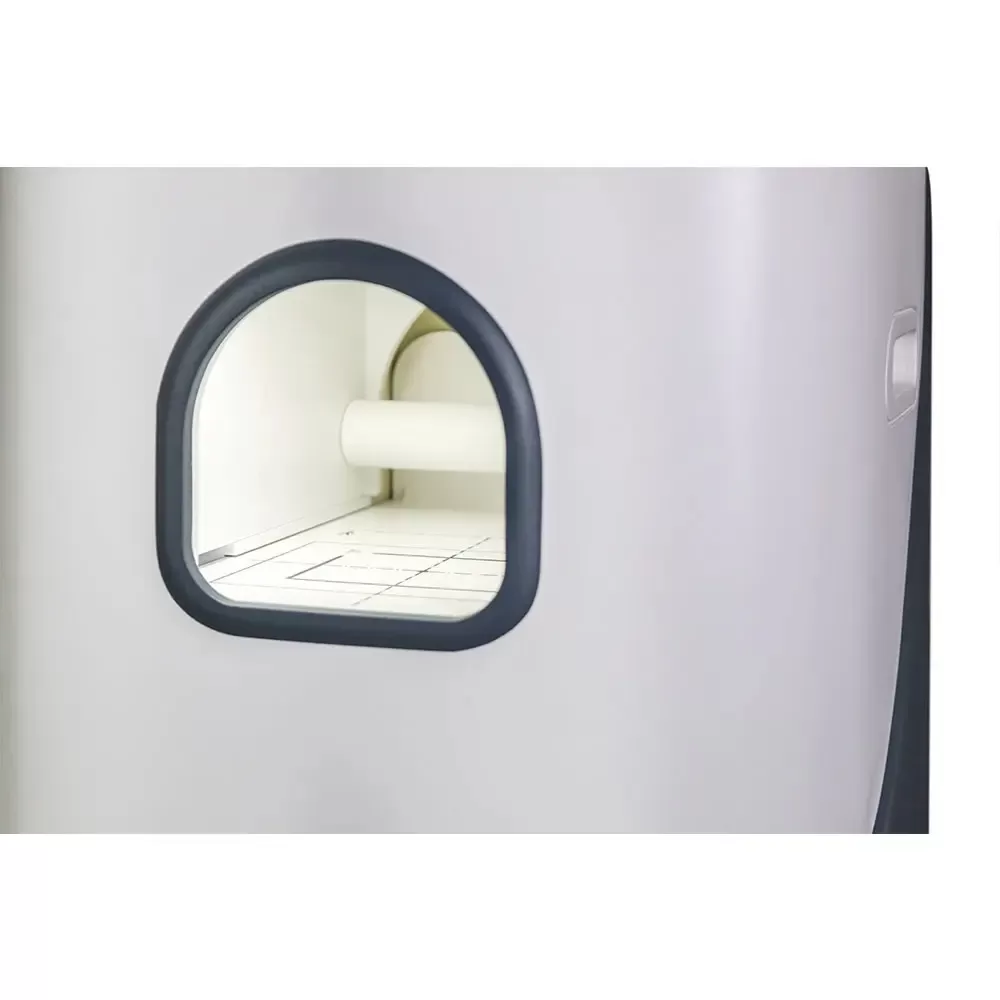
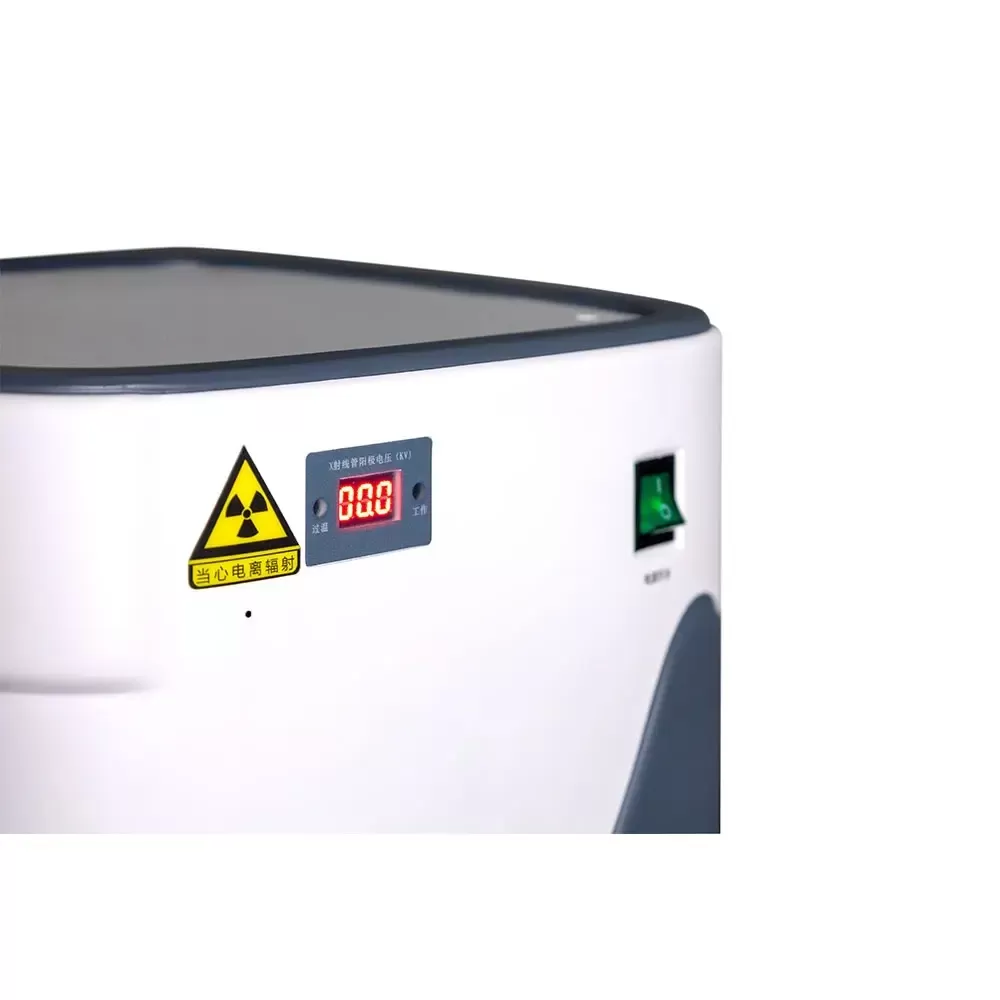
DXA Bone Densitometry 500A
Bone Density Scanning, Dual-Energy X-ray Absorptiometry (DXA or DEXA) Bone Densitometry.
Application:
Dual-Energy X-ray Absorptiometry (DXA or DEXA) useing a very small dose of ionizing radiation to produce pictures of the inside of the forearm to measure bone density . It is evaluating for Osteoporosis and Osteopenia and provides a versatile solution for evaluating the risk of osteoporotic fracture.
It is an enhanced form of X-ray technology that is used to measure bone loss. DXA is today's established standard for measuring bone mineral density (BMD).
Technical Parameter:
1.Using the Dual Energy X-ray Absorptimetry.
2.Using the Most Advanced Cone - Beam and Surface Imaging Technology.
3.With High Measurement Speed and Short Measurement Time.
4.With Dual Imaging Technology to Get More Accurate Measurement.
5.Using Laser Beam Positioning Technique, Making the Measuring Position More Accurate.
6.Dectcing Image Digitization, to Get Accurate Measurement Results.
7.Adopting the Surface Imaging Technology, Measuring Faster and Better.
8.Using the Unique Algorithms to Get More Accurate Measurement Results.
9.Adopting the Full Closed Lead Protective Window to Measure, only Need to Put the Patient's Arm into the Window. The Equipment is Indirect Contact with the Scanning Parts of the Patient. Easy to Operate for the Doctor. It is Safety for the Patient and Doctor.
10.Adopting Integrated Structure Design
11.Unique Shape, Beautiful Appearance and Easy to Use.
Performance Parameter:
1.Measurement Parts: the Front of Forearm.
2. X ray tube voltage:High Energy 85Kv, Low Energy 55Kv.
3.The high and low energy corresponds to the current, 0.2mA at high energy and 0.4mA at low energy
4.X-Ray Detector:Imported High Sensitivity Digital Camera.
5.X-Ray Source:Stationary Anode X-ray Tube (with High Frequency and Small Focus)
6.Imaging Way:Cone - Beam and Surface Imaging Technology.
7.Imaging Time:≤ 5 Seconds.
8.Accuracy(error)≤ 1.0%
9.Repeatability Coefficient of Variation CV≤0.5%
10.Can be connected to hospital HIS system, PACS system
11.Measuring Parameter: T- Score, Z-Score, BMD,BMC, Area,Adult percent[%], Age percent[%], BQI (The Bone Quality Index) ,BMI,RRF: Relative Fracture Risk
12. It with multi race clinical database, including: European, American, Asian, Chinese, WHO international compatibility. It measuring the people between the age of 0 and 130.
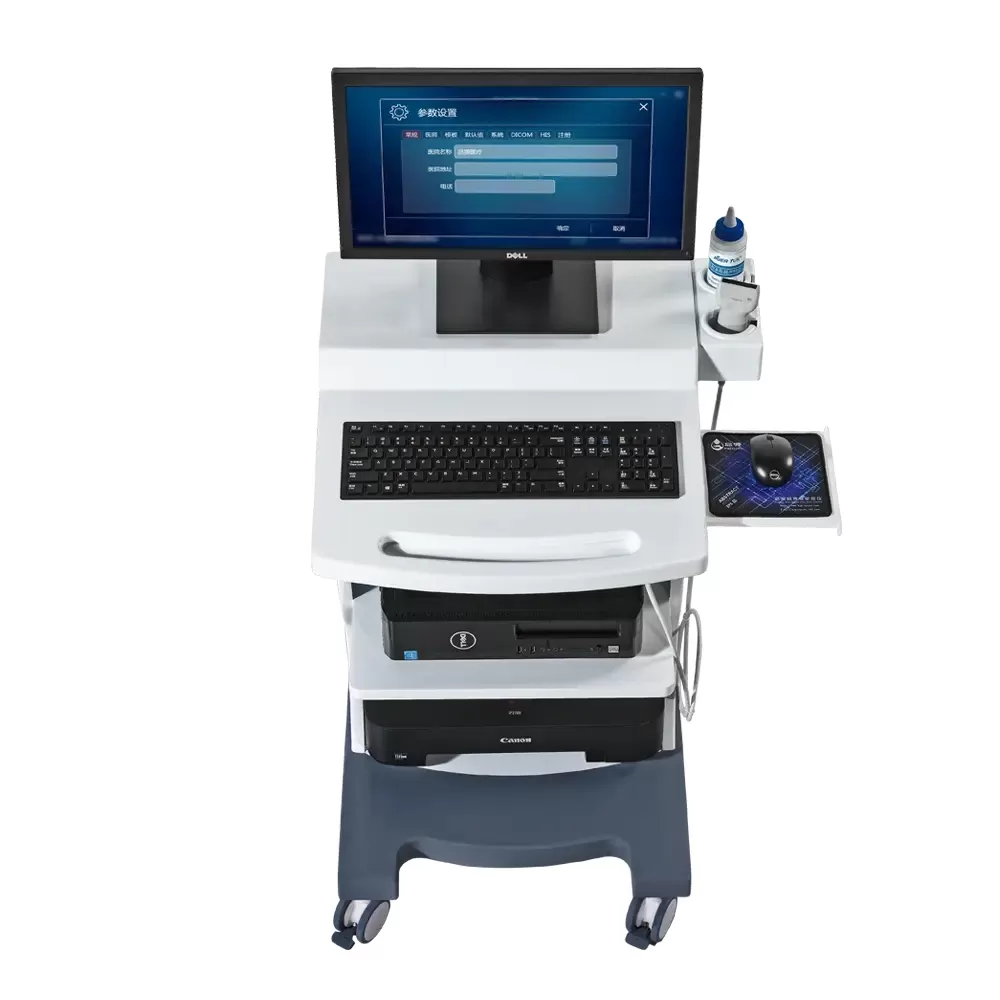
13.Original Dell Business Computer: ,Intel i5,Quad Core Processor ,8G,1T,22'inch HD Monitor
14.Operation System: Win7 32-bit / 64 bit ,Win10 64 bit compatible
15.Working Voltage: 220V±10%, 50Hz.
What Is a Bone Mineral Density Test?
A bone mineral density test, sometimes just called a bone density test, detects whether you have osteoporosis, a word that comes from Greek and literally means "porous bone."
When you have this condition, your bones get weak and thin. They become more likely to break. It's a silent condition, which means you don't feel any symptoms. Without a bone density test, you may not realize you have osteoporosis until you break a bone.
How the Test Works
The bone density test is painless and quick. It estimates how dense or thick your bones are by using X-rays.
The DXA Bone Densitometry 500A measure how much calcium and minerals are in a part of your bone. The more minerals you have, the better. That means your bones are stronger, denser, and less likely to break. The lower your mineral content, the greater your chance of breaking a bone in a fall.
FAQs for DXA 500A Bone Densitometer (Dual-Energy X-ray Absorptiometry)
1. Q: The DXA 500A measures only the forearm. How accurate and reliable is this compared to central DXA (spine/hip) scans?
A: Forearm DXA is a well-established and clinically validated method, particularly effective for screening and initial risk assessment. It strongly correlates with overall skeletal health and is highly sensitive to age-related bone loss. Its precision (CV≤0.5%) is excellent for monitoring changes over time. While central DXA remains the definitive diagnostic standard for hip/spine fractures, the forearm scan is a powerful, convenient, and cost-effective tool for population screening, especially in primary care and community settings.
2. Q: The device uses X-rays. What about radiation safety for patients and staff?
A: Safety is paramount. The DXA 500A uses an extremely low dose of ionizing radiation (significantly less than a standard chest X-ray). Crucially, its fully enclosed lead protective window ensures the X-ray beam is completely contained during the scan. The operator never handles open beams, and the patient only places their arm inside the shielded window, making it intrinsically safe with no need for a dedicated lead-lined room.
3. Q: What are the key advantages of "Cone-Beam and Surface Imaging Technology"?
A: This advanced technology provides a two-fold benefit: Cone-Beam imaging allows for a quick, volumetric scan with high geometric accuracy, while Surface Imaging enhances the clarity of bone edges. Together, they enable faster imaging (≤5 seconds), superior image quality, and more precise bone boundary detection, leading to highly accurate BMD calculations.
4. Q: How does the multi-ethnic clinical database work, and why is it important?
A: Bone density norms vary significantly between racial groups. The DXA 500A's integrated databases (European, American, Asian, Chinese) allow it to automatically select the correct reference data based on the patient's ethnicity. This ensures the resulting T-scores and Z-scores are clinically meaningful and accurate for your specific patient population, preventing misdiagnosis.
5. Q: The device claims a short measurement time. What is the total time per patient, including setup?
A: The actual imaging time is very fast (≤5 seconds). The total procedure time per patient, including positioning the arm using the laser guide and generating the report, typically takes less than 2-3 minutes. This high throughput is ideal for busy clinical environments like physical examination centers.
6. Q: Can it connect to our hospital's existing IT systems (HIS/PACS)?
A: Yes. The DXA 500A is designed for integration and can be connected to Hospital Information Systems (HIS) and Picture Archiving and Communication Systems (PACS). This allows for seamless patient data transfer, secure image storage, and streamlined workflow within your hospital's digital infrastructure.
7. Q: What is the "Bone Quality Index (BQI)" provided in the report, and how is it useful?
A: Beyond just measuring bone mineral density (BMD), the BQI is a composite index derived from the scan data that provides additional information about bone microarchitecture and elasticity. It offers a more comprehensive assessment of bone strength and fracture risk, giving clinicians a deeper insight than BMD alone.
8. Q: What kind of training is required for operators, and is it complex?
A: Operation is designed to be simple and intuitive. The process is largely automated: position the arm using the laser guide, initiate the scan, and the system does the rest. Comprehensive software handles analysis and reporting. Basic operator training provided by the supplier focuses on patient positioning and software navigation, ensuring staff can become proficient quickly.
9. Q: Who is the ideal user or setting for this specific forearm DXA device?
A: It is perfectly suited for:
Primary Care Clinics & Community Hospitals: For large-scale osteoporosis screening.
Endocrinology & Rheumatology Departments: For routine monitoring of patients on osteoporosis therapy.
Physical Examination Centers: As a key component of comprehensive health check-ups.
Clinical Research: For high-precision, longitudinal studies requiring excellent reproducibility.
10. Q: How does it compare in cost and logistics to a full-sized, whole-body DXA system?
A: The DXA 500A offers a significantly lower total cost of ownership. It requires less space, no special room shielding, and has lower installation and maintenance costs. It provides "gold-standard" DXA accuracy for the most common clinical need (screening and monitoring) in a compact, movable, and operationally simpler package, making advanced bone densitometry accessible to a wider range of healthcare providers.
Popular Products
Ultrasound Bone Densitometer BMD-A1 Basic Osteoporosis Detector
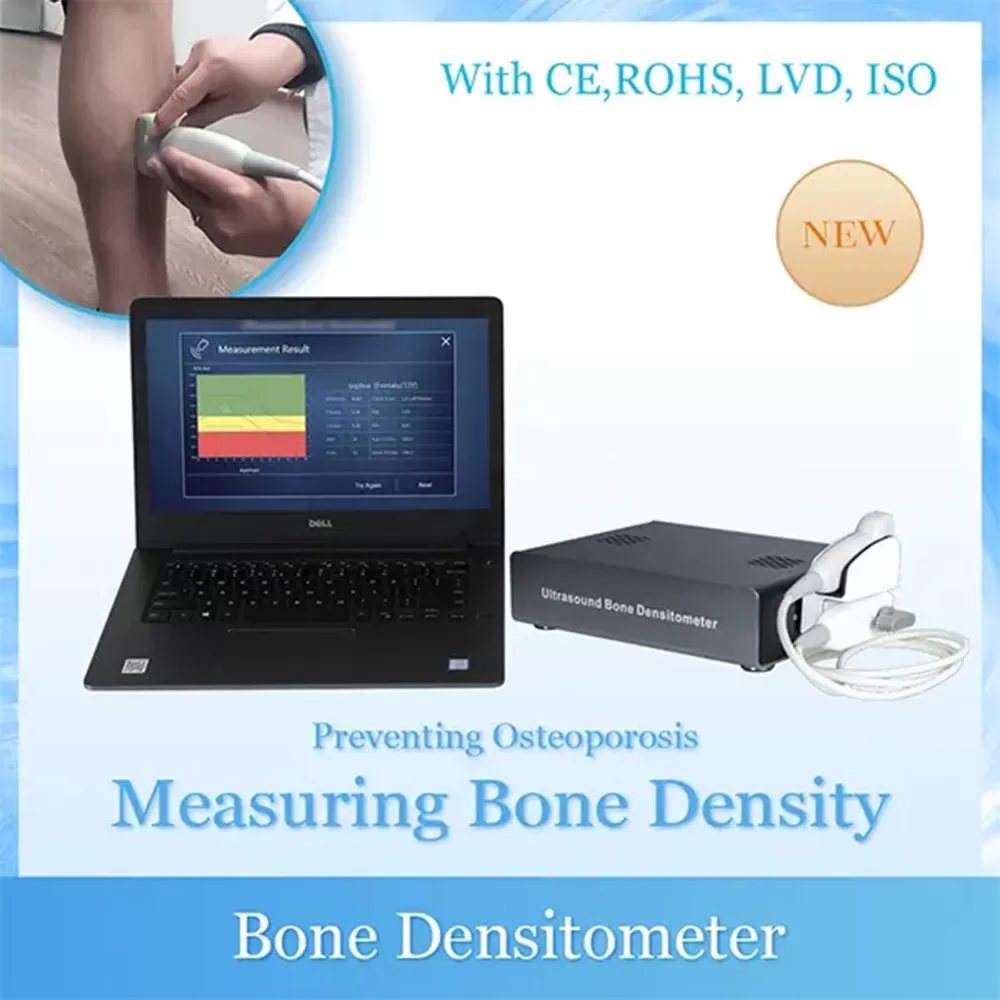
Portable Ultrasound Bone Densitometry BMD-A1 Osteoporosis Detector
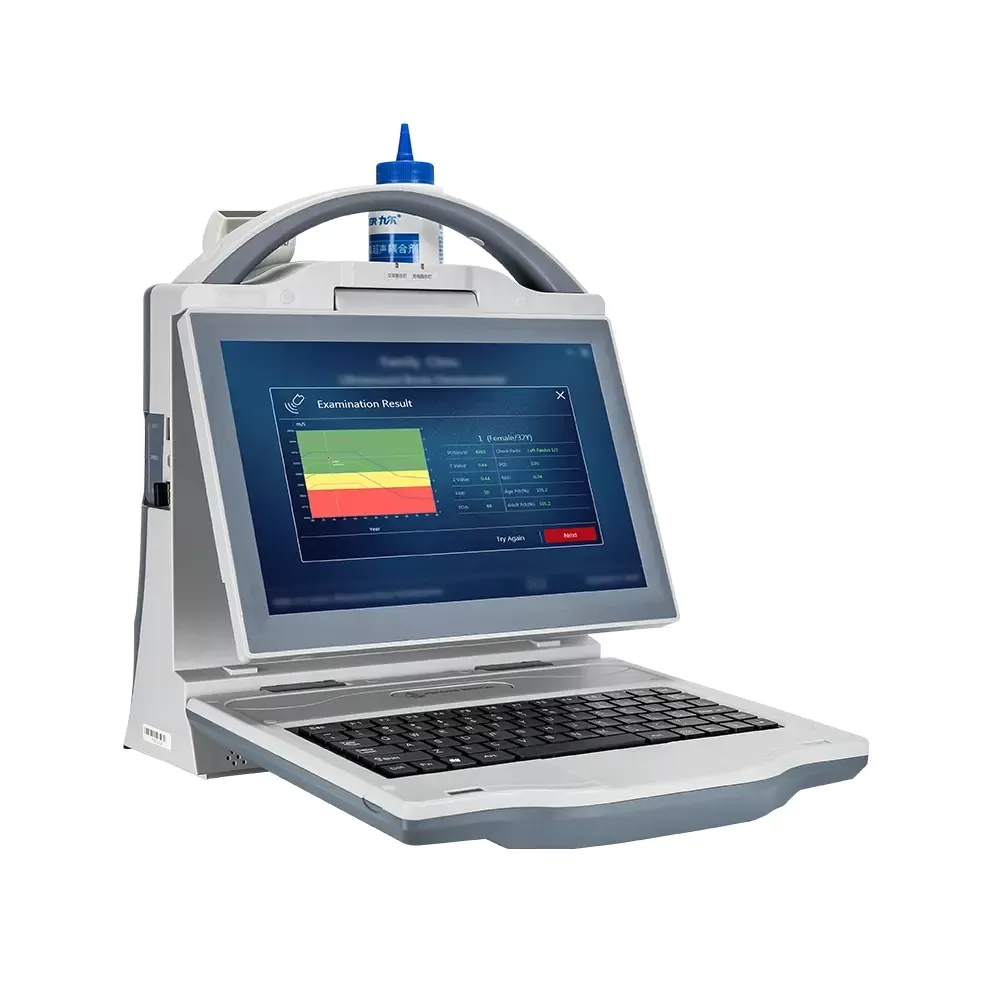
Portable Ultrasound Bone Densitometer BMD-A3
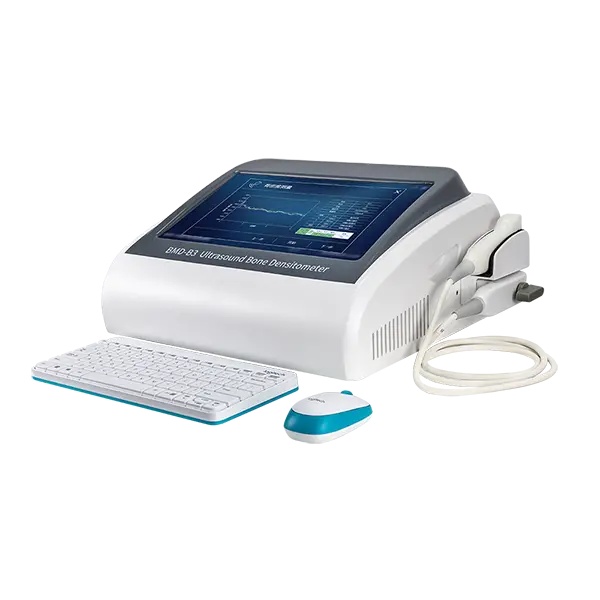
Automatic High Effective Portable Ultrasound Bone Densitometer BMD-B3
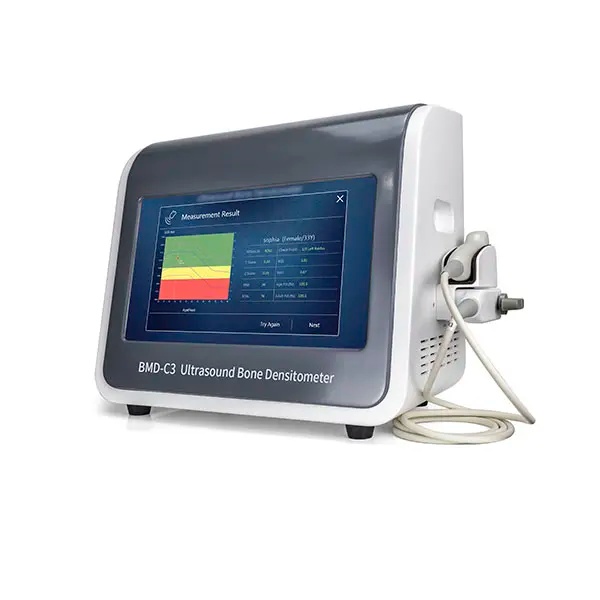
Portable Ultrasound Bone Densitometer BMD-C3
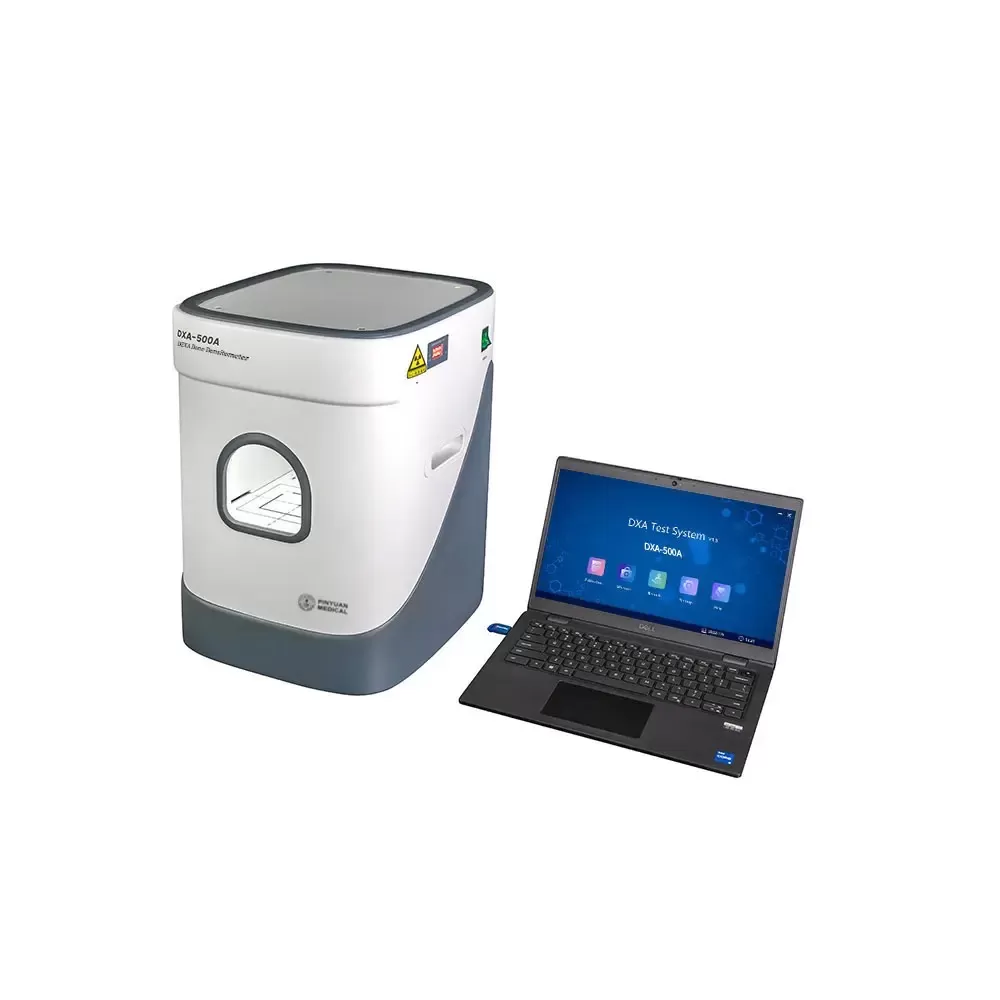
DXA Bone Densitometer 500A Dual-Energy X-ray Absorptiometry
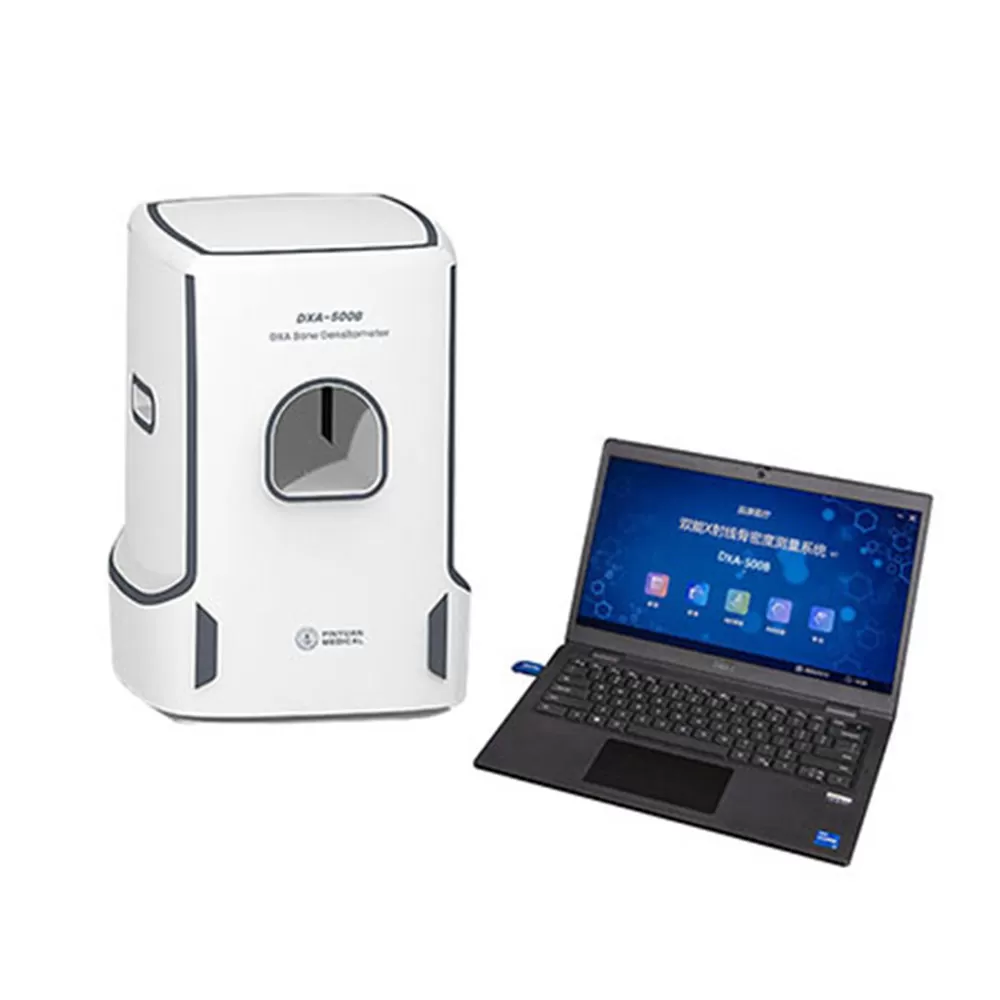
Dual-Energy X-ray Bone Densitometer DXA-500B
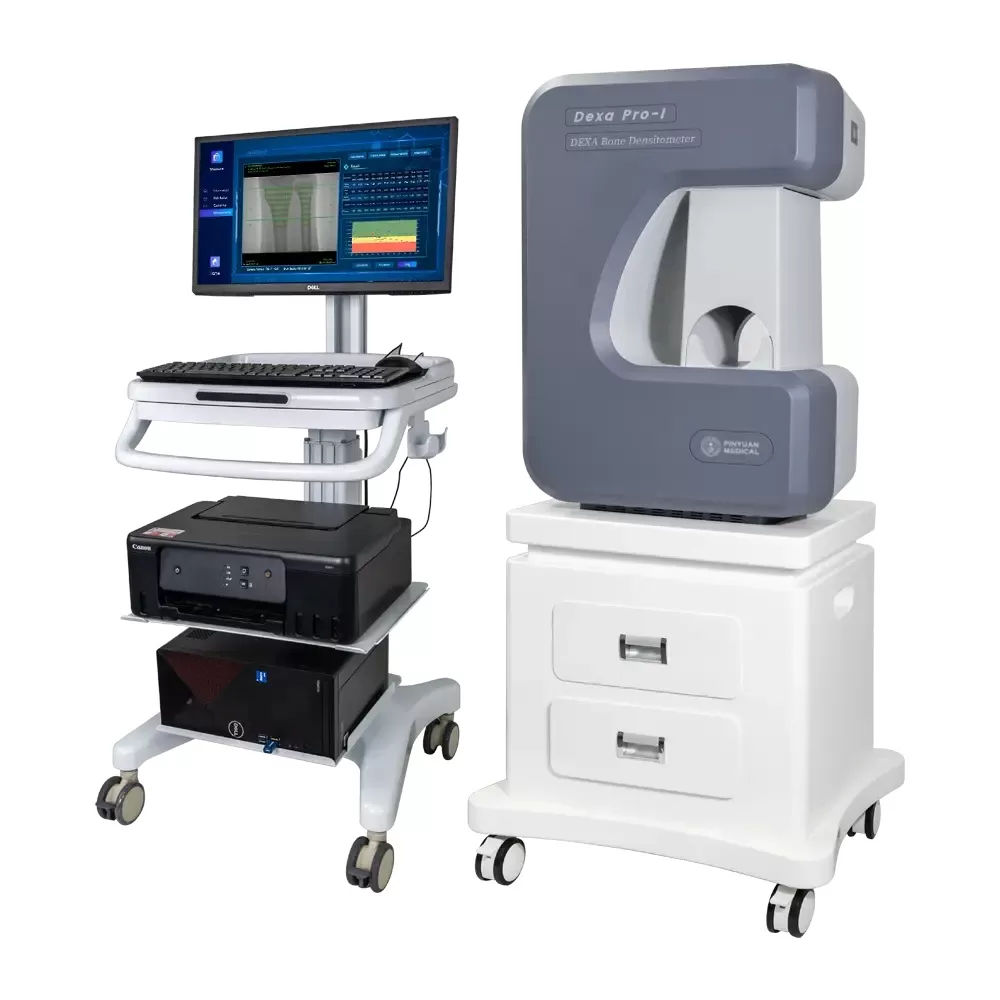
DXA Bone Densitometer DEXA Pro-1
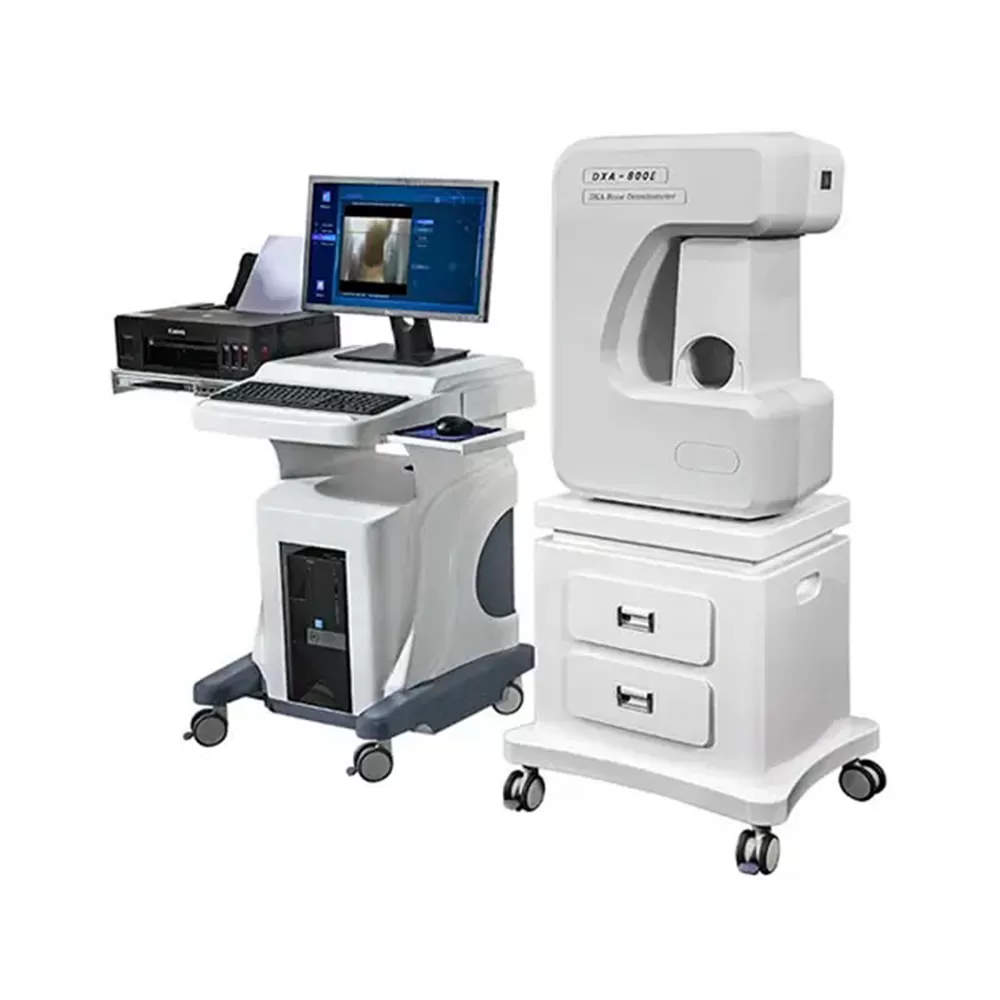
DXA Bone Densitometer 800E
X-ray Bone Density and Skeletal Age Instrument Discover-lll