
Portable Ultrasound Bone Densitometer BMD-C3
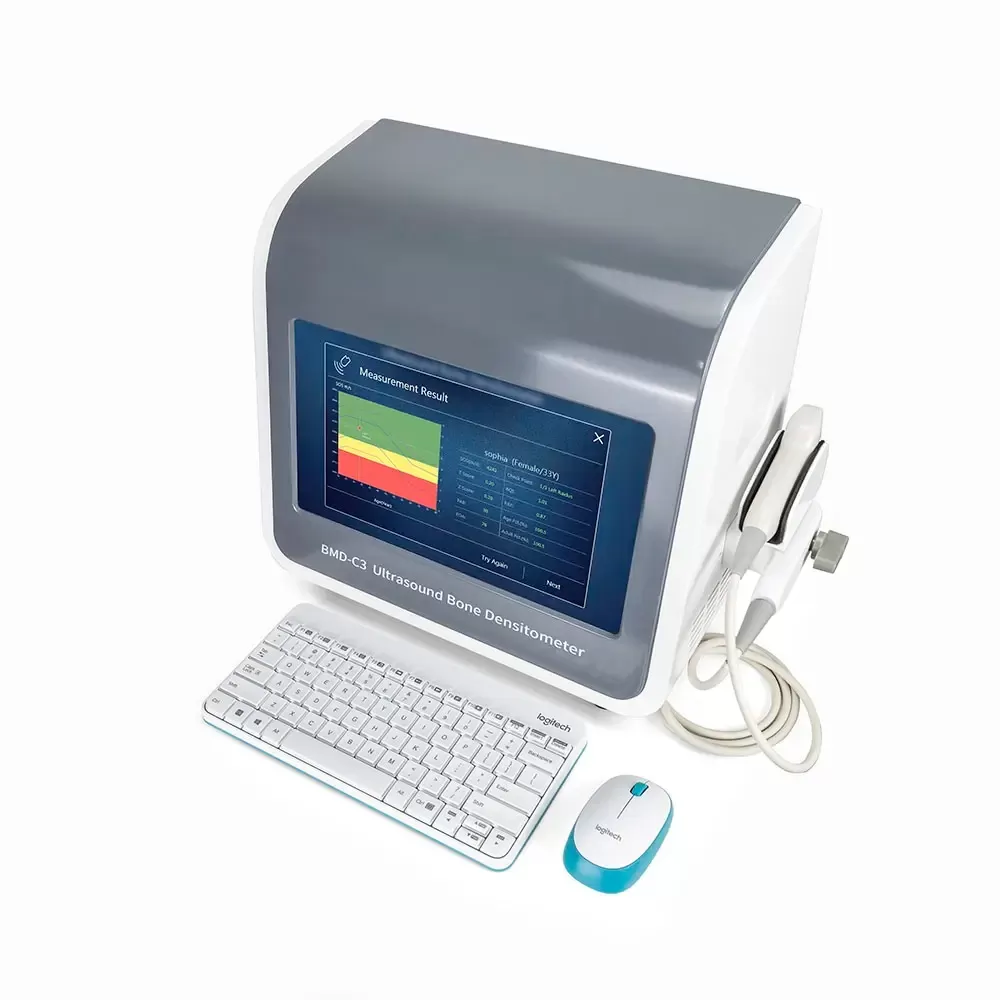


Bmd-C3 is a portable ultrasonic bone density instrument for measuring bone density. The device could be used for disease diagnosis, or for disease screening and physical examinations in healthy people. Ultrasonic bone density instrument than DEXA bone density instrument cost-effective, simple operation, no radiation, high precision, less investment. A bone density test, sometimes called a bone density test, can detect if a patient has osteoporosis.
When you have osteoporosis, your bones become weak. They become more prone to rupture. Bone joint pain and fracture caused by osteoporosis are common clinical diseases, such as lumbar deformation, intervertebral disc disease, vertebral body fracture, cervical spondylosis, limb joint and bone pain, lumbar spine, femoral neck, radial fracture, etc. Therefore, bone mineral density examination is very necessary for the diagnosis and treatment of osteoporosis and its complications.
Main Feature
● Portable and convenient, flexible movement
● Precision, beautiful
● All dry technology, convenient diagnosis.
● Measurement sites: radius and tibia.
● The measurement process is quick, simple and fast
● High measurement efficiency, short measurement time
● High accuracy of measurement
● Very good reproducibility measurement
● Unique correction system, effective correction system error.
● There are clinical databases in different countries, including: Europe, America, Asia, China
● Strong international compatibility. It measures coverage for people between the ages of 0 and 120. (Children and adults)
English menu and color printer report, easy to operate
●CE, ISO, CFDA, ROHS, LVD, EMC certification
Technical Specifications
 Large Scale Integrated circuit
 Multi - layer circuit board design
 High shielding Multi-point Signal Contact Mode
 Precise Mould Manufactured
 Famous Brand Embedded Industrial Control Computer
 Special Analysis System Based on Different Countries People
Osteoporosis Risk Factors
There are a number of factors that can increase someone's risk of developing osteoporosis. Some can be influenced, whereas others cannot. The main risk factors for osteoporosis include:
Age: As we get older, our bone density decreases and the risk of developing osteoporosis increases. Men over the age of 65 and post-menopausal women are at the greatest risk.
Sex: Women develop osteoporosis more often than men, and they are also more likely to have bone fractures.
Low body weight (compared to body size)
Diet low in calcium
Vitamin D deficiency
Lack of exercise
Family history: Women whose mother or father broke their hip because of osteoporosis are at greater risk of developing osteoporosis themselves.
Smoking
Drinking a lot of alcohol
Long-term steroid use
Use of other medications, such as some antidepressants (SSRIs) or diabetes medicines (glitazones)
Conditions such as rheumatoid arthritis or hyperthyroidism (an overactive thyroid gland)
Bone Density Testing Results Will Be In The Form Of Two Scores
T score: This compares your bone density with a healthy, young adult of your gender. The score indicates if your bone density is normal, below normal, or at the levels that indicate osteoporosis.
Here’s what the T score means:
● -1 and above: Your bone density is normal
● -1 to -2.5: Your bone density is low, and it may lead to osteoporosis
● -2.5 and above: You have osteoporosis
Z score: This allows you to compare how much bone mass you have compared with other people of your age, gender, and size.
A Z score below -2.0 means that you have less bone mass than someone your age and that it could be caused by something other than aging.
FAQs for Bmd-C3 Portable Ultrasonic Bone Densitometer (Customer-Centric Q&A)
1. Is this ultrasound device accurate enough to replace a DEXA scan in my clinic?
While DEXA is the gold standard for formal diagnosis, the Bmd-C3 provides highly accurate and reproducible data ideal for screening, risk assessment, and monitoring. Its key advantages are zero radiation, portability, and significantly lower cost. For the vast majority of patients—especially for initial screening, pediatric checks, or routine follow-ups—it offers a perfectly reliable clinical picture. For complex cases flagged as high-risk, you can confidently refer for a confirmatory DEXA scan.
2. We serve a diverse community. How does the device ensure accurate results for different ethnicities?
Bone density norms vary by race. The Bmd-C3’s multi-ethnic clinical databases (European, American, Asian, Chinese) are critical. The system automatically selects the correct reference data based on the patient's profile, ensuring the resulting T-scores and Z-scores are ethnically appropriate and clinically meaningful, preventing misdiagnosis and enabling personalized care.
3. What is "All Dry Technology," and how does it benefit my daily workflow?
"All Dry Technology" eliminates messy ultrasound gel. A quick-drying disinfectant coupling agent is used instead. This means no sticky cleanup between patients, faster room turnover, reduced cross-infection risk, and a cleaner, more professional experience for both staff and patients—a major efficiency boost.
4. As a community health center with limited space and budget, is this a practical investment?
Absolutely. This is the core value proposition of the Bmd-C3. It requires minimal space (portable trolley), involves far lower upfront and operational costs than a DEXA (no radiation source, shielding, or expensive consumables), and offers a very fast return on investment through high patient throughput. It's designed precisely for accessible, cost-effective preventive care.
5. How easy is it for my nursing staff to operate and interpret results?
It's designed for simplicity. The process is quick and guided. Results are automatically calculated and presented as clear T-scores and Z-scores with intuitive color reports. A short training session is sufficient. The scores are standardized: T-score > -1 (Normal), -1 to -2.5 (Osteopenia/Low Bone Mass), < -2.5 (Osteoporosis). Z-scores help identify issues beyond normal aging.
6. We work with children and elderly patients. Is it safe for both?
Yes, its safety profile is exceptional. Using harmless ultrasound waves with no ionizing radiation, it is completely safe for repeated use on the most sensitive populations: children (for growth monitoring), pregnant women, and the elderly. This makes it uniquely suitable for family medicine and pediatric orthopedics.
7. What does the "Unique Correction System" do for me?
This system ensures long-term reliability. It combines daily automatic self-calibration with intelligent software algorithms to constantly correct for potential system drift or environmental factors. This guarantees that the high accuracy you get on day one is maintained years later with minimal manual intervention, ensuring consistent, trustworthy data.
8. Can I use this for hospital ward rounds or mobile medical vans?
Yes, its portability is a key feature. The integrated trolley design and robust build allow it to be easily wheeled to patient bedsides, different departments, or loaded into a vehicle for community outreach programs. It sets up in minutes, providing clinic-grade diagnostics anywhere.
9. What specific certifications (CE, CFDA, etc.) does it hold, and why should I care?
These certifications are your assurance of quality and safety:
CE & CFDA: Mandatory market access certifications for Europe and China, proving it meets strict medical device regulations.
ISO 13485: International quality management certification for medical device manufacturing.
ROHS, LVD, EMC: Ensure electrical safety, environmental safety (no hazardous substances), and that it won't interfere with (or be affected by) other hospital equipment. This comprehensive certification suite means you are investing in a globally recognized, professionally validated device.
10. What ongoing costs or consumables should I budget for?
The total cost of ownership is very low. There are no expensive disposable probes or cartridges. The only recurring supply is the affordable disinfectant coupling agent. There are no costs for radiation source replacement or calibration services, making your operational expenses predictable and minimal.
11. The report includes a long list of osteoporosis risk factors. How is this helpful?
This list transforms the device from a simple scanner into a patient education and consultation tool. While the test provides the objective data (T-score), the listed risk factors (age, diet, medication, family history) help you conduct a comprehensive risk assessment interview. You can link the patient's result directly to their modifiable lifestyle factors, creating a powerful, personalized prevention or treatment plan.
12. What support and warranty come with the device?
The device is backed by a standard manufacturer's warranty (typically one year, confirm with supplier). Crucially, the built-in industrial control computer and robust design minimize failure risk. Reputable suppliers offer training and technical support. The long list of international certifications also implies adherence to higher after-sales service standards.
Popular Products
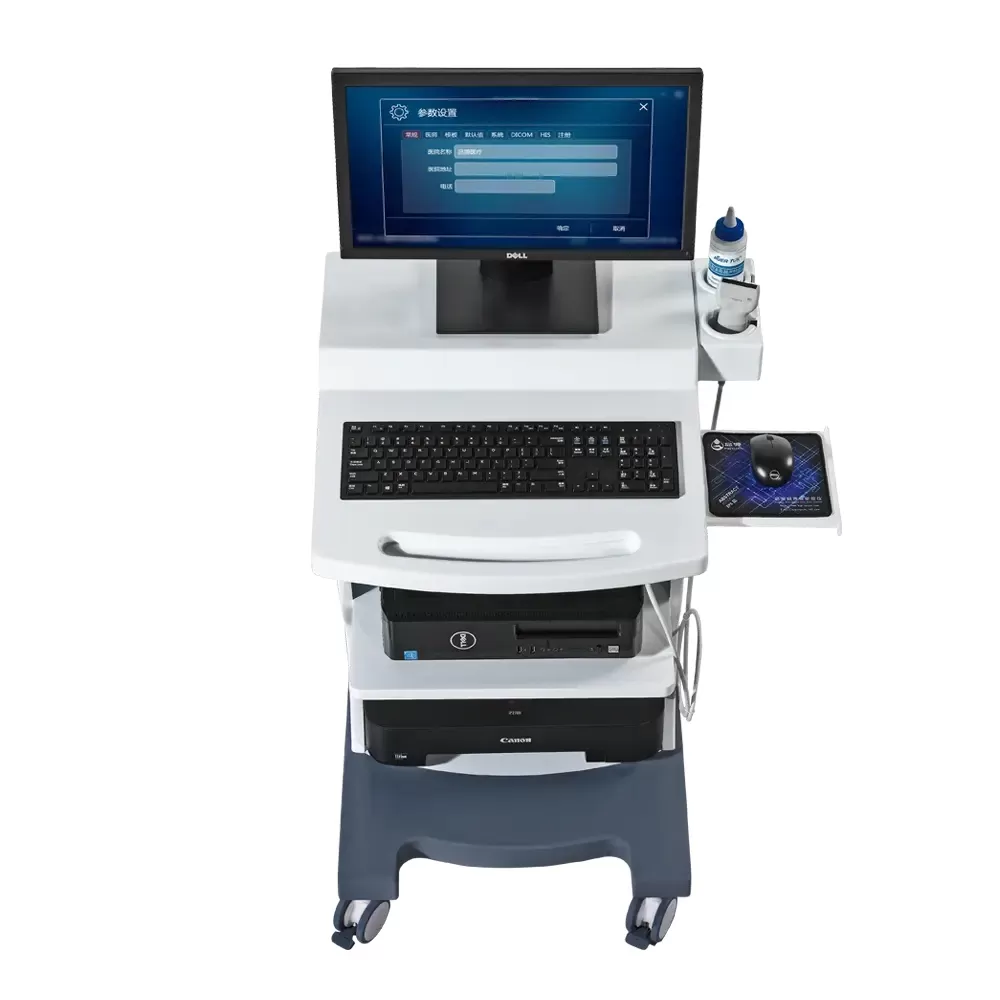
Ultrasound Bone Densitometer BMD-A1 Basic Osteoporosis Detector
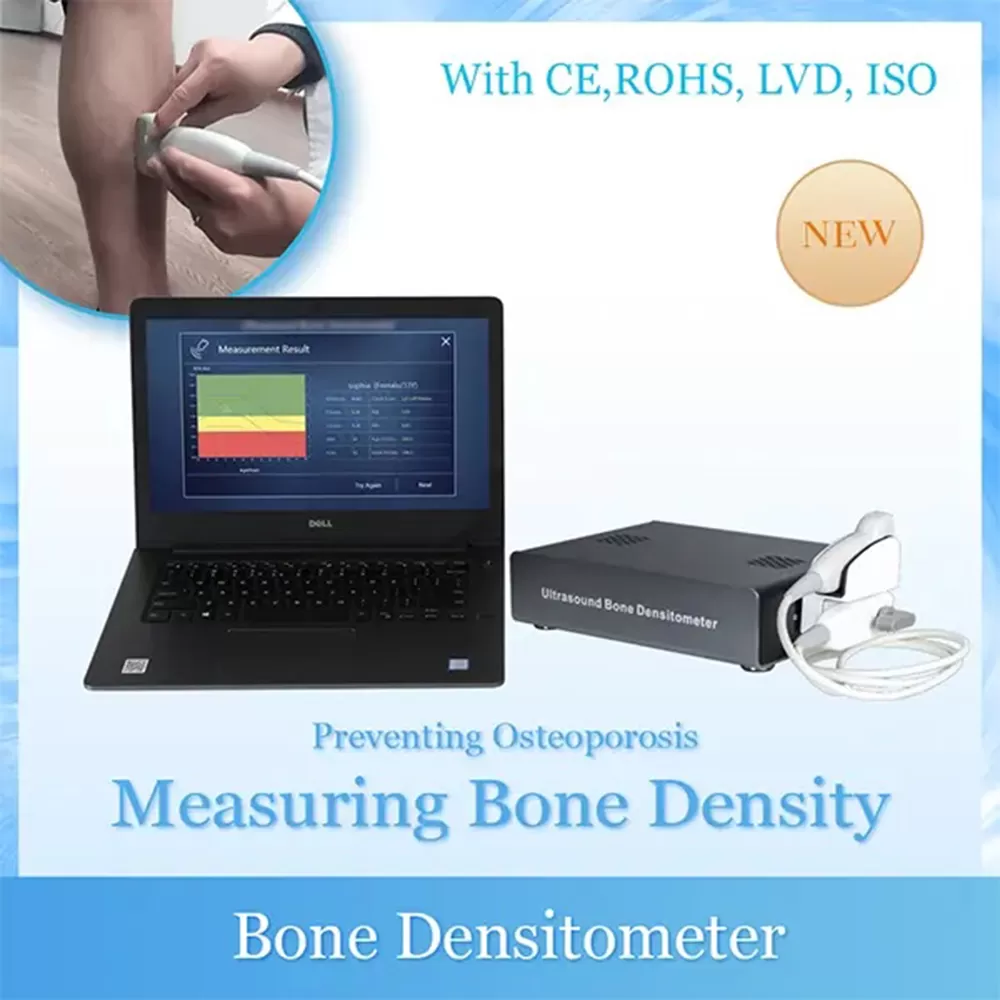
Portable Ultrasound Bone Densitometry BMD-A1 Osteoporosis Detector
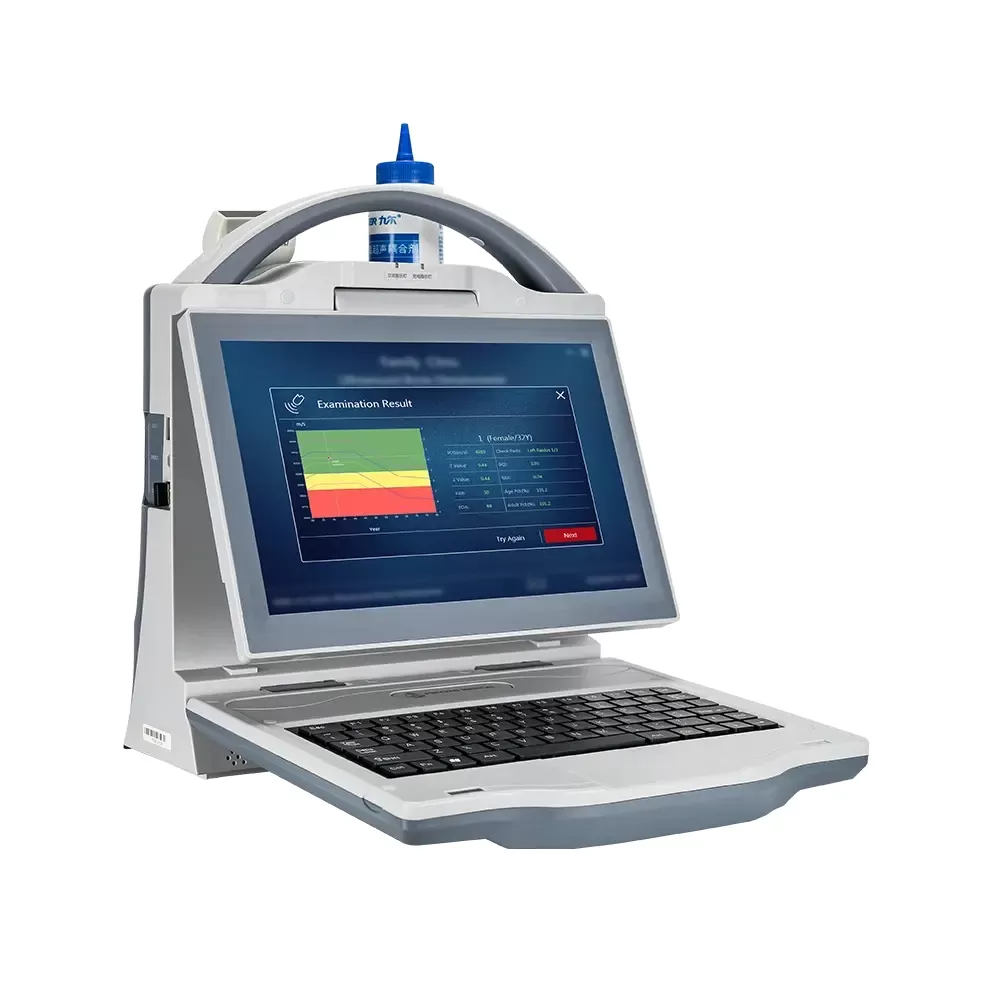
Portable Ultrasound Bone Densitometer BMD-A3
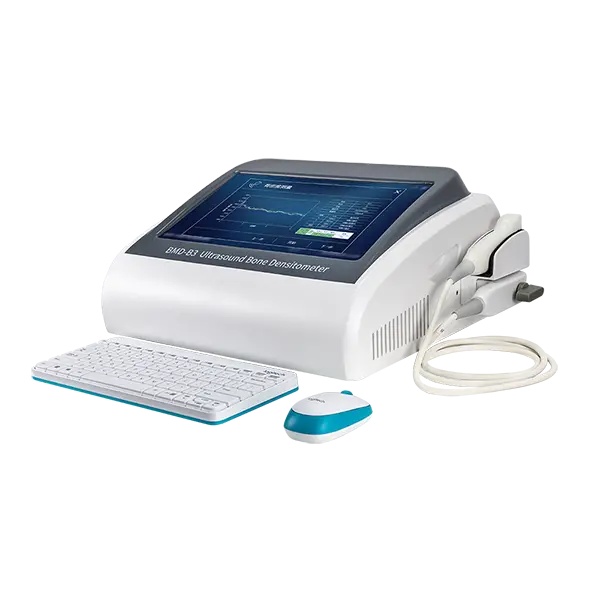
Automatic High Effective Portable Ultrasound Bone Densitometer BMD-B3
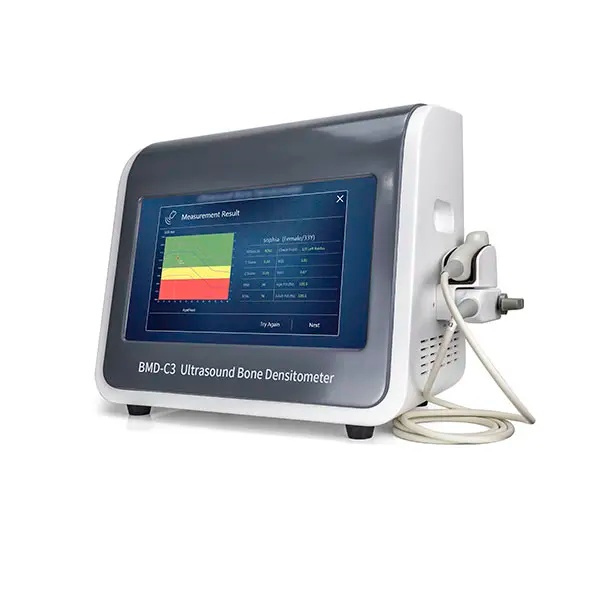
Portable Ultrasound Bone Densitometer BMD-C3
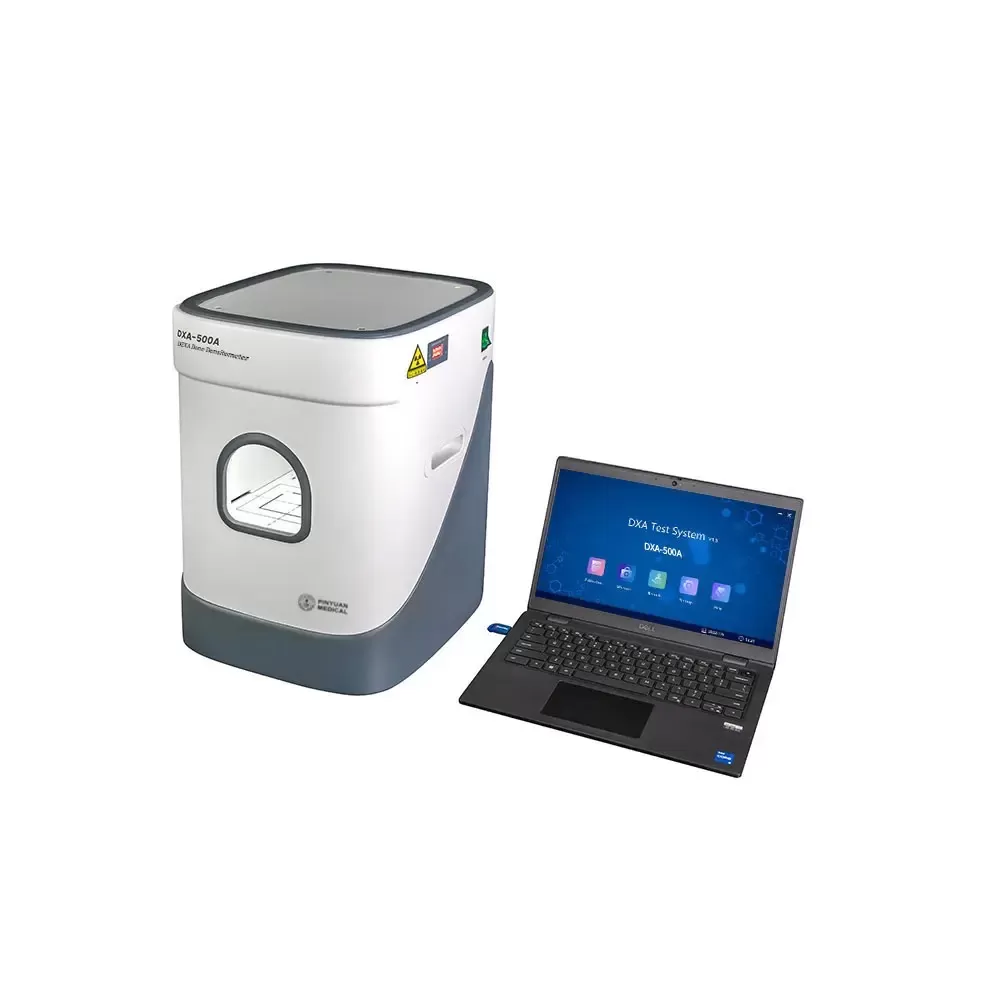
DXA Bone Densitometer 500A Dual-Energy X-ray Absorptiometry
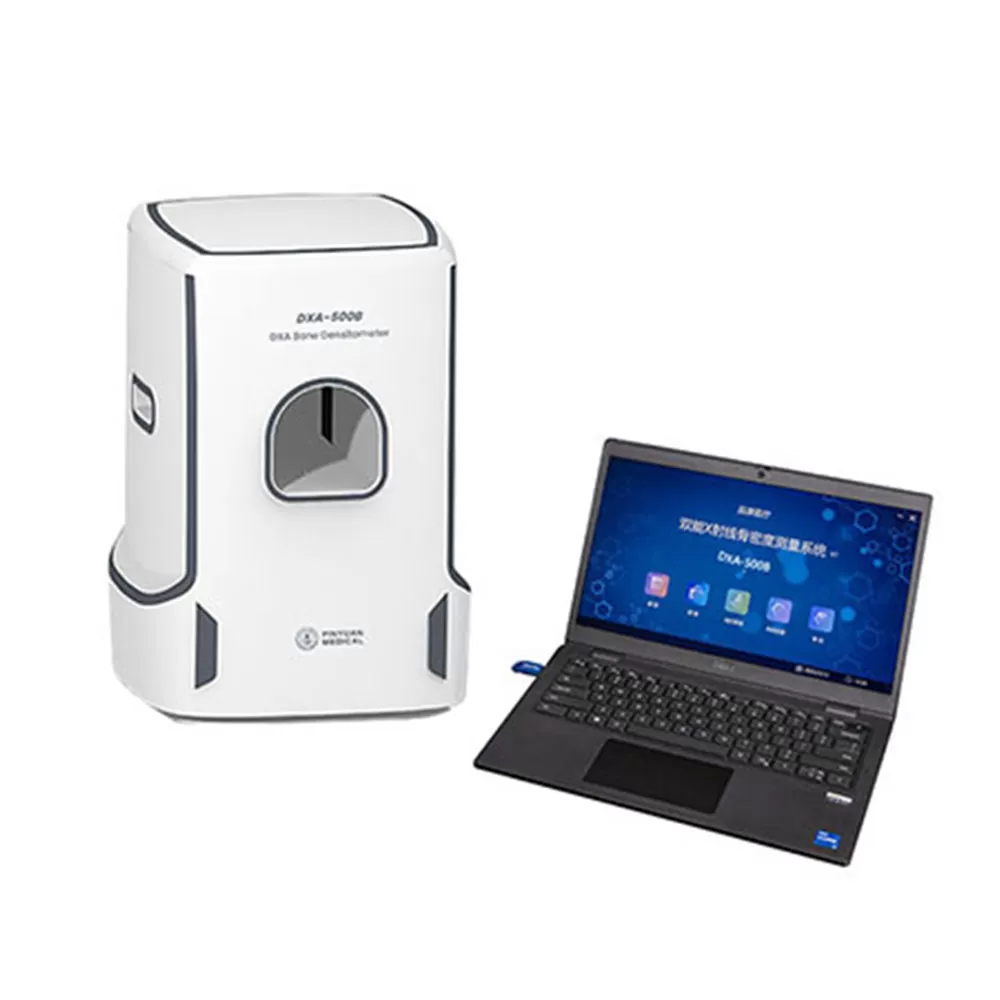
Dual-Energy X-ray Bone Densitometer DXA-500B
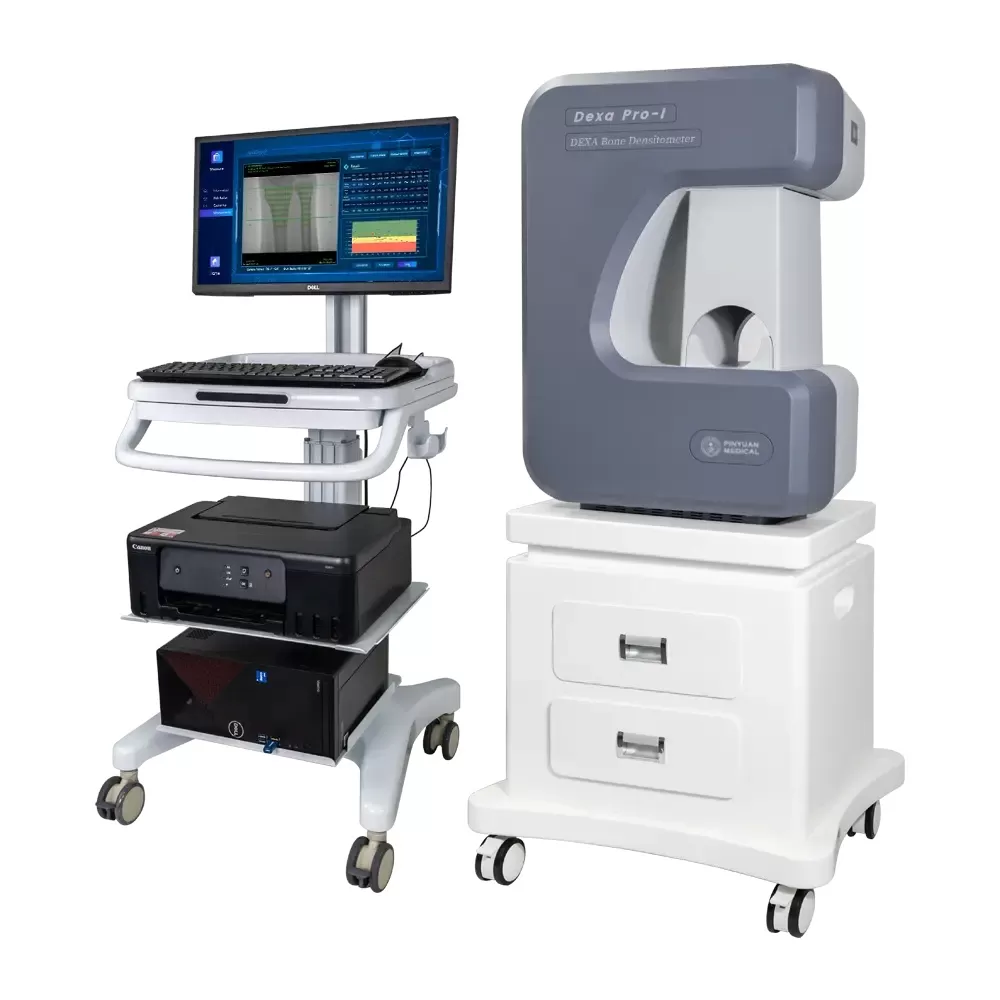
DXA Bone Densitometer DEXA Pro-1
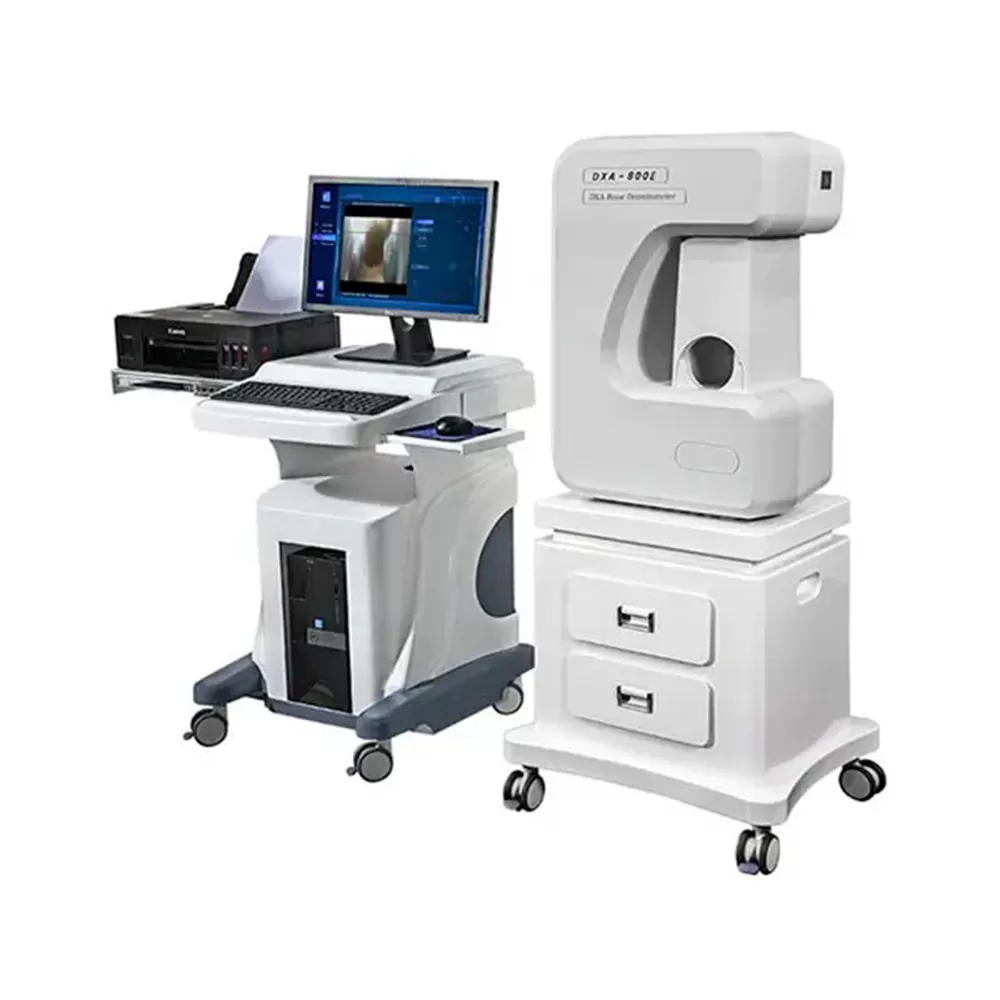
DXA Bone Densitometer 800E
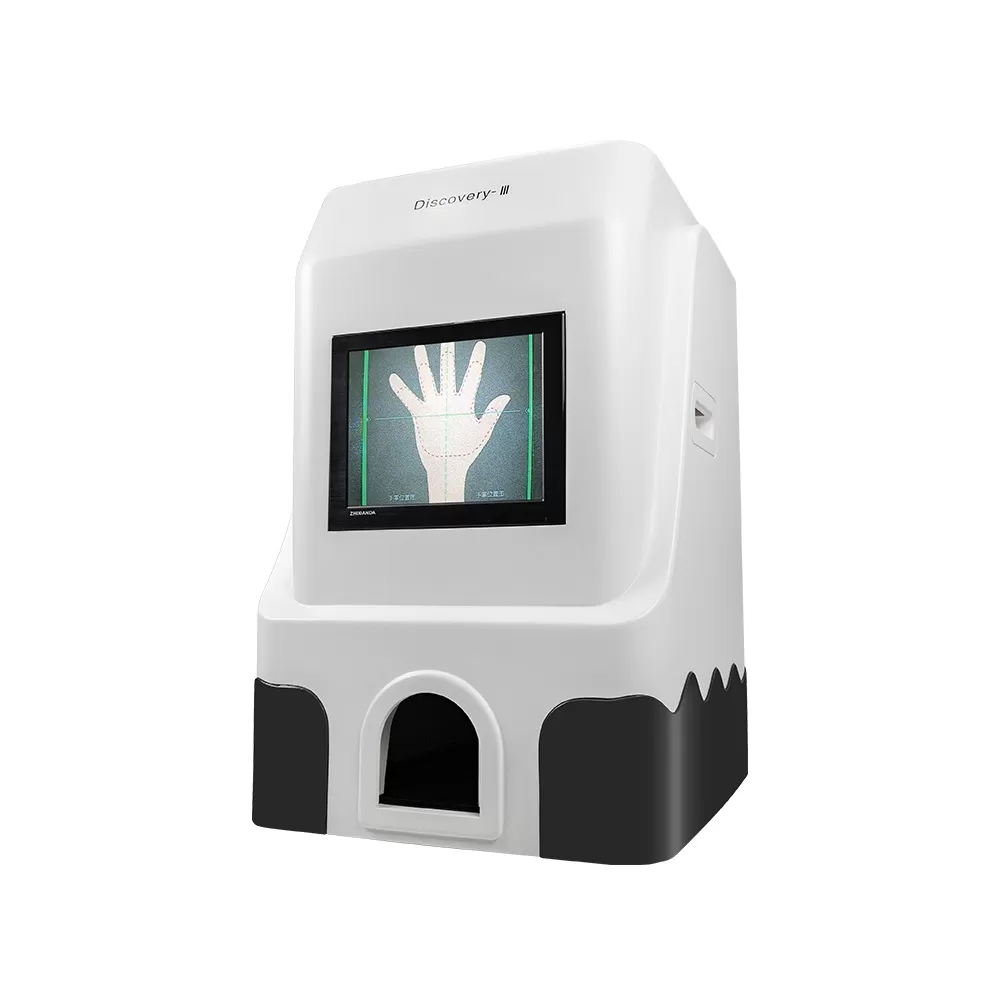
X-ray Bone Density and Skeletal Age Instrument Discover-lll