
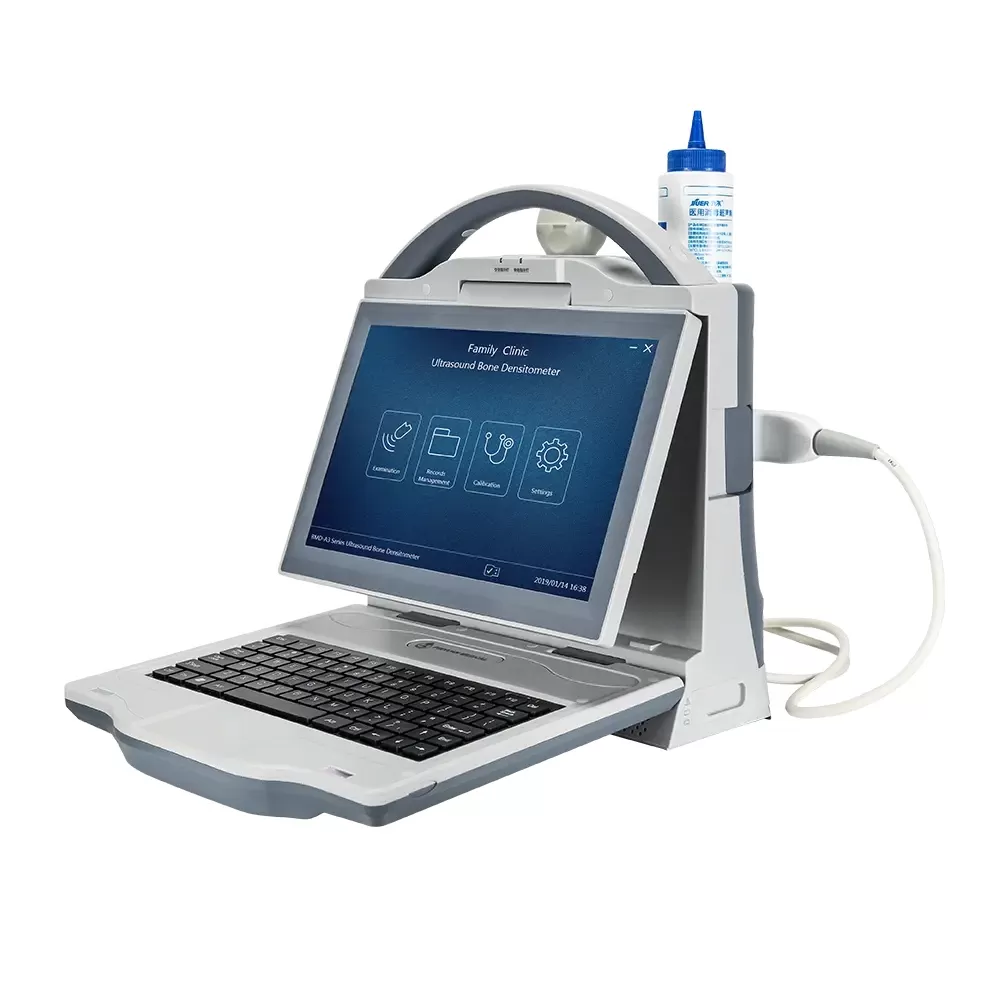
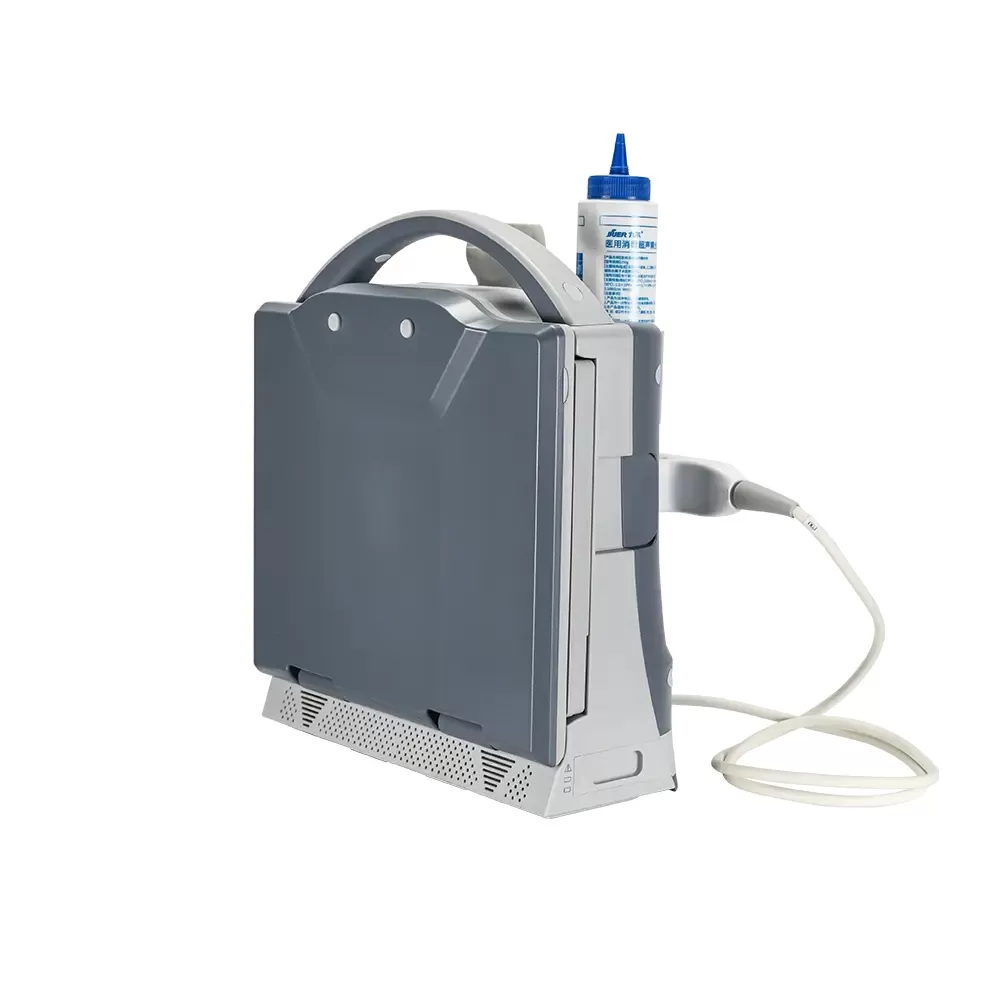
Portable Ultrasound Bone Densitometer BMD-A3

Main Function
Densitometry is a measure of the bone density or strength of the radius and tibia in a person. This is a good way to prevent osteoporosis.
It is an economic solution for evaluating the risk of osteoporotic fracture. Its high accuracy assists in the first diagnosis of osteoporosis monitoring bone changes. It provides fast, convenient and easy-to-use informations on bone quality and fracture risk.
Application
BMD-A3 device is the best choice for hospital pre-discharge examination, ward, mobile examination, physical examination, pharmaceutical, pharmacy, health product promotion.
Measurement Parts: Radius and Tibia.

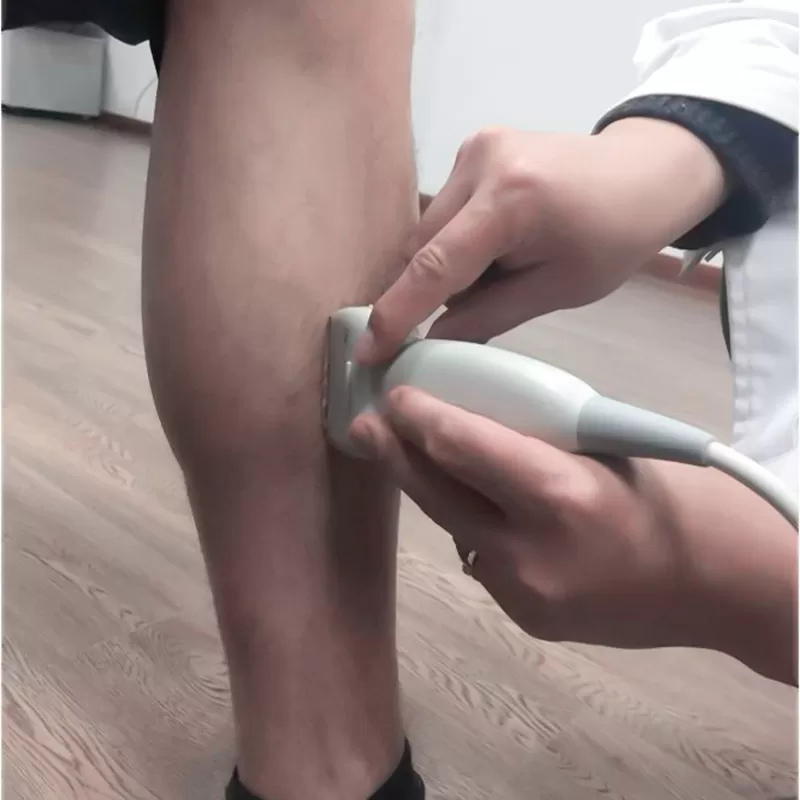
Operational Principle

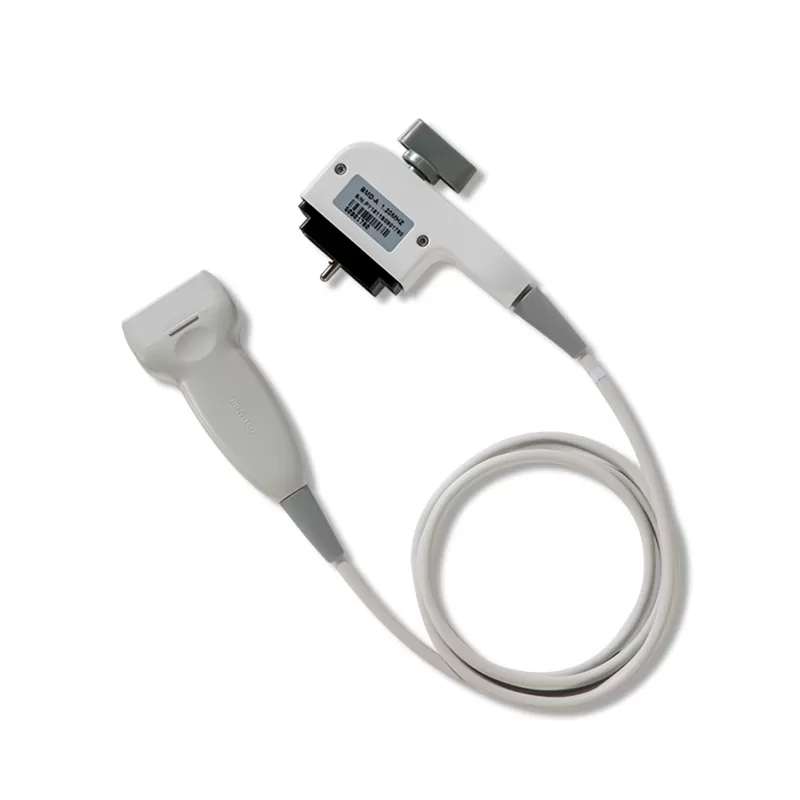

Main Feature
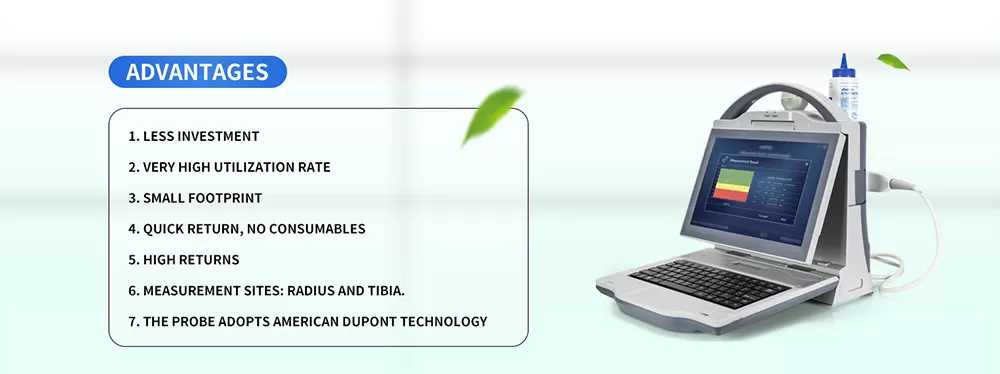
● Portable and convenient, flexible movement
● Precision, beautiful
● All dry technology, convenient diagnosis.
● Measurement sites: radius and tibia.
● The measurement process is quick, simple and fast
● High measurement efficiency, short measurement time
● High accuracy of measurement
● Very good reproducibility measurement
● Unique correction system, effective correction system error.
● There are clinical databases in different countries, including: Europe, America, Asia, China
● Strong international compatibility. It measures coverage for people between the ages of 0 and 120. (Children and adults)
English menu and color printer report, easy to operate
●CE, ISO, CFDA, ROHS, LVD, EMC certification
Technical Specifications
 Large Scale Integrated circuit
 Multi - layer circuit board design
 High shielding Multi-point Signal Contact Mode
 Precise Mould Manufactured
 Famous Brand Embedded Industrial Control Computer
 Special Analysis System Based on Different Countries People
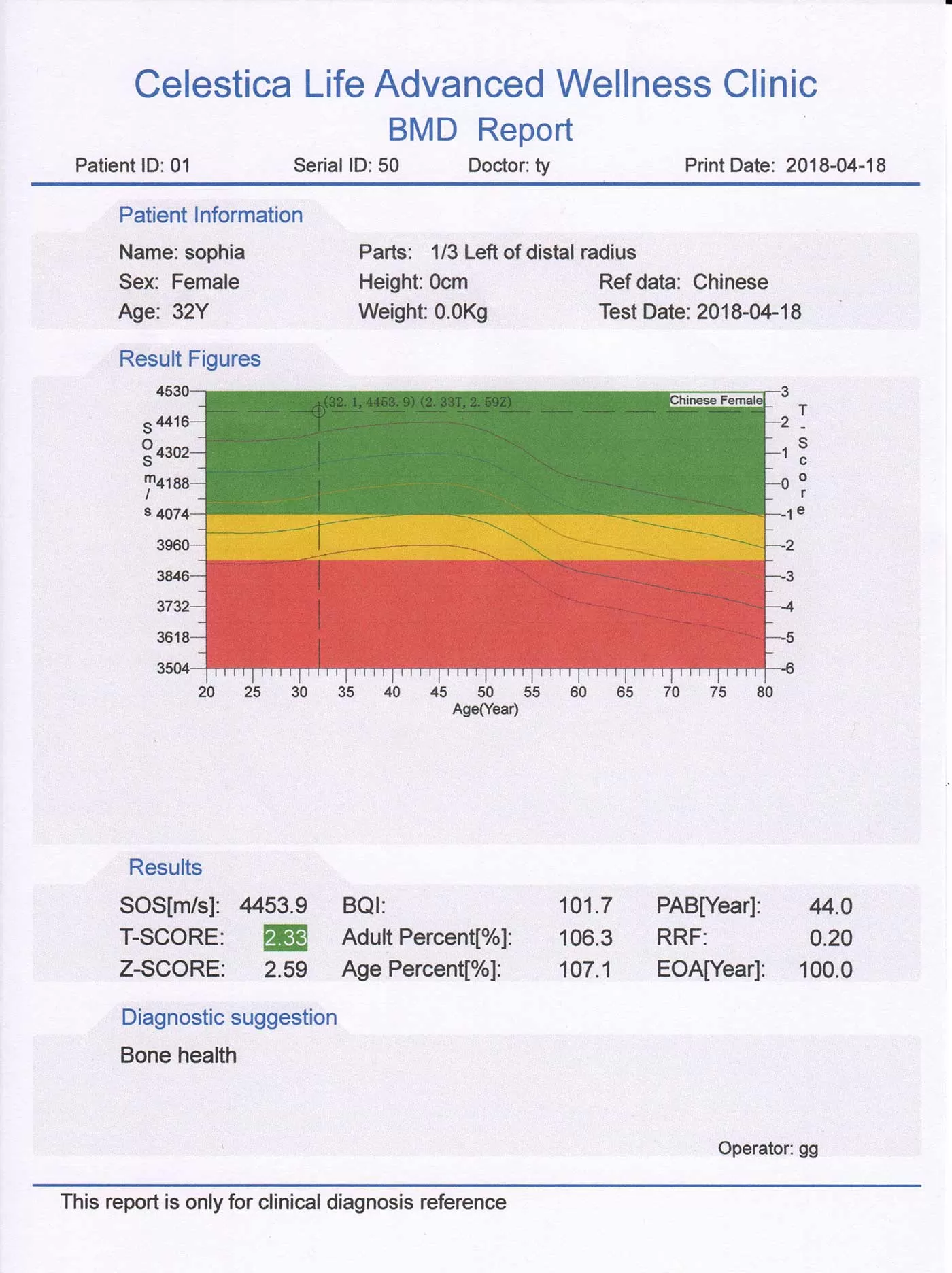
Bone Density Testing Results
BMD results can be scored in two ways:
T-value: This means comparing your bone density with that of a healthy young person of the same sex. This score indicates that your bone density is normal, below normal, or indicates a level of osteoporosis.
Here are the interval values for T scores:
●-1 and above: normal bone density
●-1 ~ -2.5: Low bone density, which may lead to osteoporosis
●-2.5 and above: osteoporosis
Z-score: This allows you to compare the bone mass of people of your age, sex and size.
A Z value below -2.0 means you have less bone mass than others your age, which can be due to reasons other than age.
Configuration
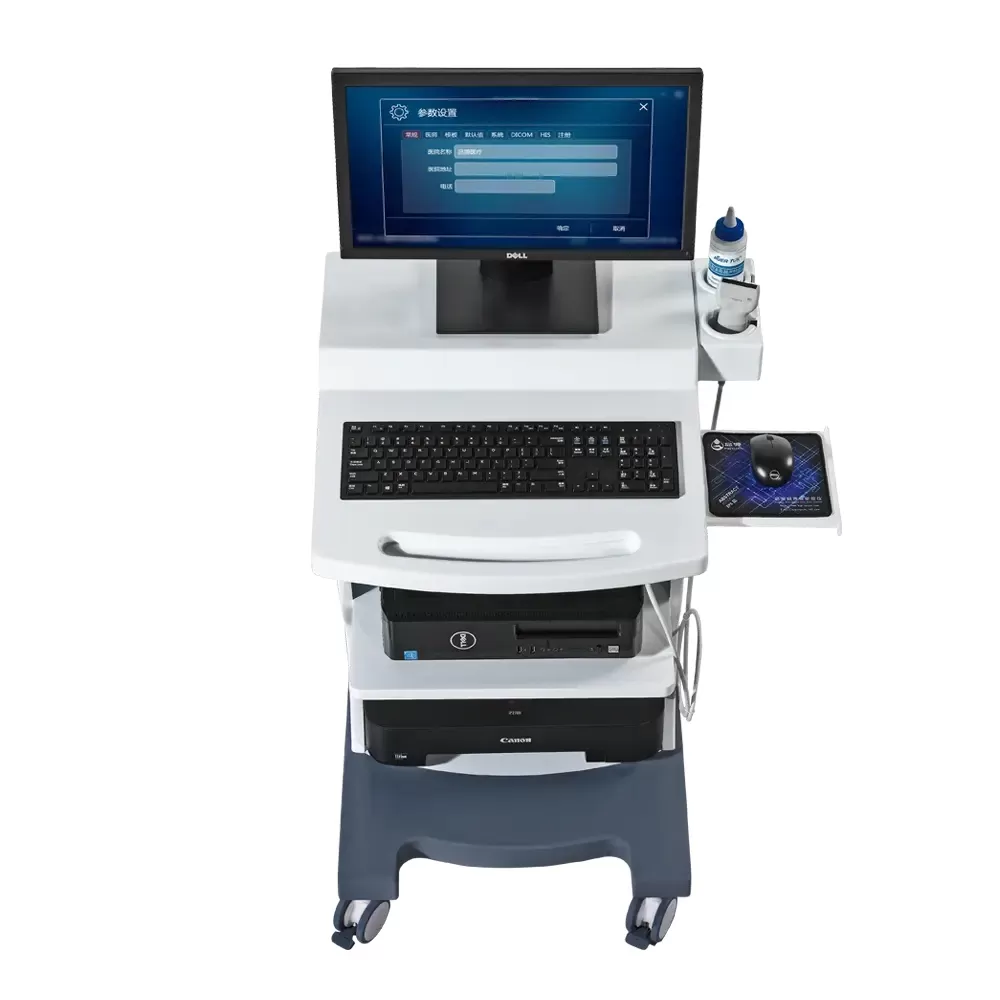
1. BMD-A3 Ultrasound Bone Densitometer Main Unit
2. 1.20MHz Probe
3. Famous Brand Embedded Industrial Control Computer
4. BMD-A3 Intelligent Analysis System
5. Calibrating Module (Perspex sample)
6. Disinfectant Coupling Agent
Note: Printer is optional
One Carton
Size(cm): 46cm×35cm×50cm
G.W.: 13Kgs
N.W.: 6 Kgs
Note: Printer is optional
 |
 |
Densitometry is a measure of the bone density or strength of the radius and tibia in a person. This is to prevent osteoporosis. Human bone mass starts to decline irreversibly from the age of 35. A bone density test, sometimes called a bone density test, tests if you have osteoporosis and measures how much calcium and minerals are in your bones. The more minerals in your bones, the better. This means your bones are stronger, denser and less likely to break. The lower the mineral content, the greater the chance of breaking a bone in a fall. Osteoporosis can happen to anyone.
When you have this disease, your bones become weak. They become more prone to rupture. It's a silent state where you don't feel any symptoms. Without a bone density test, you may not realize you have osteoporosis until you break a bone.
Packing


FAQs for BMD-A3 Portable Ultrasound Bone Densitometer
1. The BMD-A1 was already good. What are the key improvements in the BMD-A3 model?
The BMD-A3 builds on the proven platform with enhanced stability and durability. Key upgrades likely include the Famous Brand Embedded Industrial Control Computer, which ensures faster, more reliable data processing and system longevity for high-volume clinical use. The packaging is also optimized (N.W. 6Kgs, compact carton), making logistics and handling even easier for mobile units.
2. As an orthopedic surgeon, can I rely on its data for clinical decisions?
Yes. The BMD-A3 provides highly accurate and reproducible quantitative data (T-score & Z-score) that is perfect for initial screening, risk stratification, and monitoring treatment response over time. While DEXA remains the definitive diagnostic standard for formal diagnosis, the BMD-A3’s excellent accuracy makes it an invaluable point-of-care tool for triage, patient education, and follow-up assessments right in your clinic or ward.
3. How does the “All Dry Technology” actually improve my clinic’s workflow?
It eliminates the need for messy ultrasound gel. You use a quick-drying disinfectant coupling agent instead. This means no sticky residue on the patient or probe, faster cleaning between patients, reduced cross-infection risk, and significantly improved patient throughput—a major efficiency gain for busy departments and physical examination centers.
4. You measure only the radius and tibia. Is this sufficient for a comprehensive fracture risk assessment?
For a focused, efficient, and cost-effective screening tool, yes. The 1/3 radius and mid-tibia are peripheral cortical bone sites that strongly correlate with overall bone health and are highly sensitive to age-related bone loss. They provide a reliable and quick snapshot. For patients flagged as high-risk, you can then refer them for central DEXA (spine/hip) for a comprehensive diagnosis, making the BMD-A3 an ideal first-line screening filter.
5. What does “an economic solution for evaluating fracture risk” mean in real financial terms?
It translates to dramatically lower capital expenditure compared to a DEXA system. Additionally, it has negligible operating costs (no expensive consumables, no radiation source replacement), minimal maintenance, and requires no dedicated shielded room. This allows for a very fast Return on Investment (ROI), especially in high-turnover settings like physical examination centers or community screenings.
6. The device has clinical databases for different ethnicities. Why is this critical?
Bone density norms vary significantly between populations. Using a Caucasian database for an Asian patient, for example, can lead to misclassification. The BMD-A3’s automatic selection of the correct ethnic reference database (European, American, Asian, Chinese) ensures that the T-scores and Z-scores generated are ethnically appropriate and clinically accurate for your specific patient demographics.
7. How “portable and convenient” is it really for hospital ward rounds or mobile inspections?
With a main unit weight of only ~6kg (net) and a complete, sturdy carrying case, it is genuinely portable. A single staff member can easily carry it to bedside tests, outpatient satellite clinics, or mobile examination vehicles. The quick setup (<1 minute) and rapid measurement (<15 seconds) make it perfectly suited for decentralized testing within a hospital or for community outreach programs.
8. We are a pharmacy/health product company. How can this device add tangible business value?
It transforms your service from product sales to personalized health consultation. By offering free bone health screenings, you drive foot traffic, build trusted relationships, and generate objective data. The instant T-score report allows your staff to make science-based recommendations for calcium, vitamin D, or other supplements, directly linking a demonstrated health need to your product solutions, thereby increasing conversion rates and customer loyalty.
9. What certifications does it hold, and why should I care about ROHS, LVD, EMC?
Beyond essential medical certifications (CE, ISO 13485, CFDA), ROHS, LVD, and EMC are critical safety and compliance marks. ROHS ensures it’s free of hazardous substances. LVD guarantees electrical safety. EMC proves it won’t interfere with other hospital equipment and is immune to interference, ensuring reliable and safe operation in complex electromagnetic environments like operating suites or ICU wards.
10. What is included in the “Configuration,” and is the printer necessary?
The standard configuration includes everything needed to start testing: Main Unit, Probe, Embedded Computer, Analysis Software, Calibration Module, and Disinfectant Coupling Agent. The printer is optional. If you need immediate hardcopy reports for patients (highly recommended for clinics/pharmacies), you should add it. If results will only be viewed on-screen or exported digitally (e.g., in a hospital EMR system), you can omit it to reduce initial cost.
11. How is the device calibrated and maintained for long-term accuracy?
Maintenance is minimal. The device features a daily automatic self-calibration using the included Perspex calibration module upon startup. This “Unique Correction System” ensures sustained high accuracy. There are no user-serviceable parts or complex procedures, guaranteeing consistent performance with minimal technical overhead.
12. The results show T-score and Z-score. How do I explain these simply to a patient?
You can use this straightforward explanation:
T-score: “This compares your bones to those of a healthy 30-year-old. Above -1 is normal. Between -1 and -2.5 means your bones are getting thinner (osteopenia). -2.5 or below indicates osteoporosis, where bones are weak and prone to fracture.”
Z-score: “This compares you to people your own age. If it’s very low (below -2.0), it suggests something beyond normal aging is causing bone loss, and we may need to investigate further.” The device’s color report clearly visualizes these scores for easy patient understanding.
Popular Products
Ultrasound Bone Densitometer BMD-A1 Basic Osteoporosis Detector
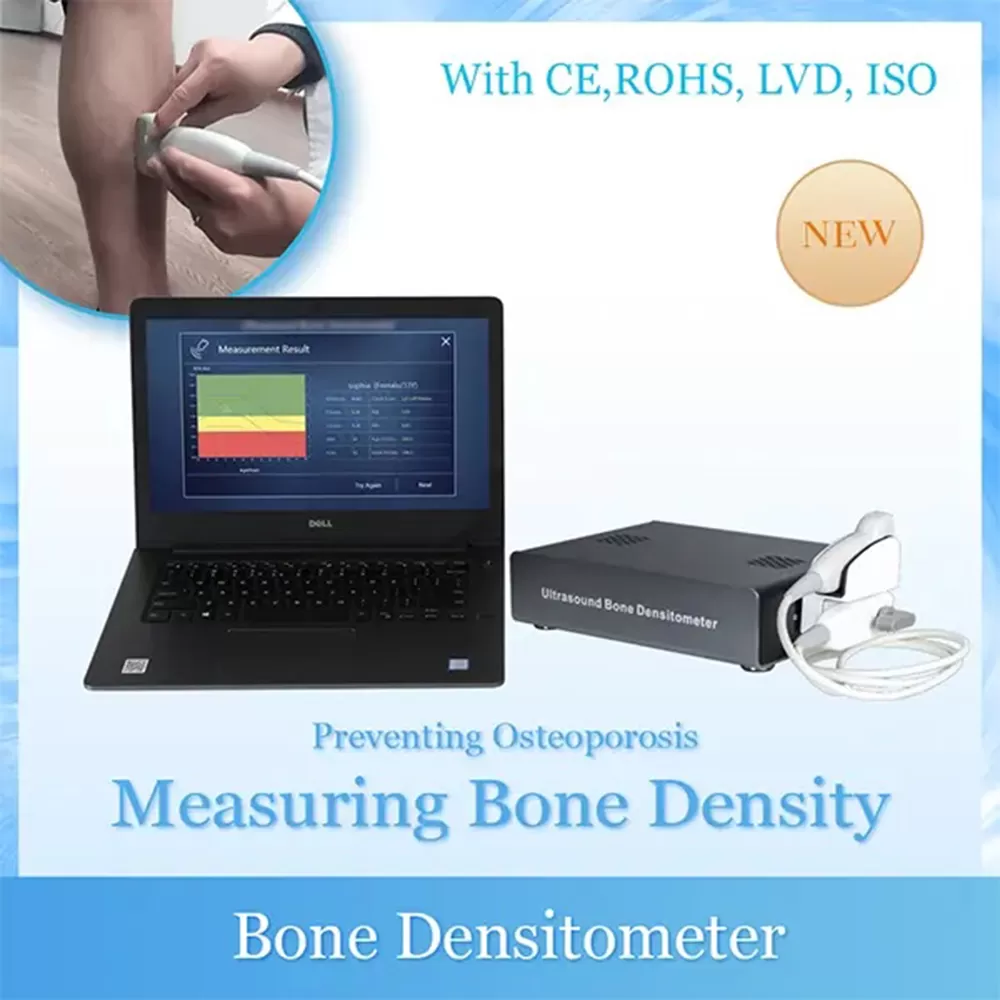
Portable Ultrasound Bone Densitometry BMD-A1 Osteoporosis Detector
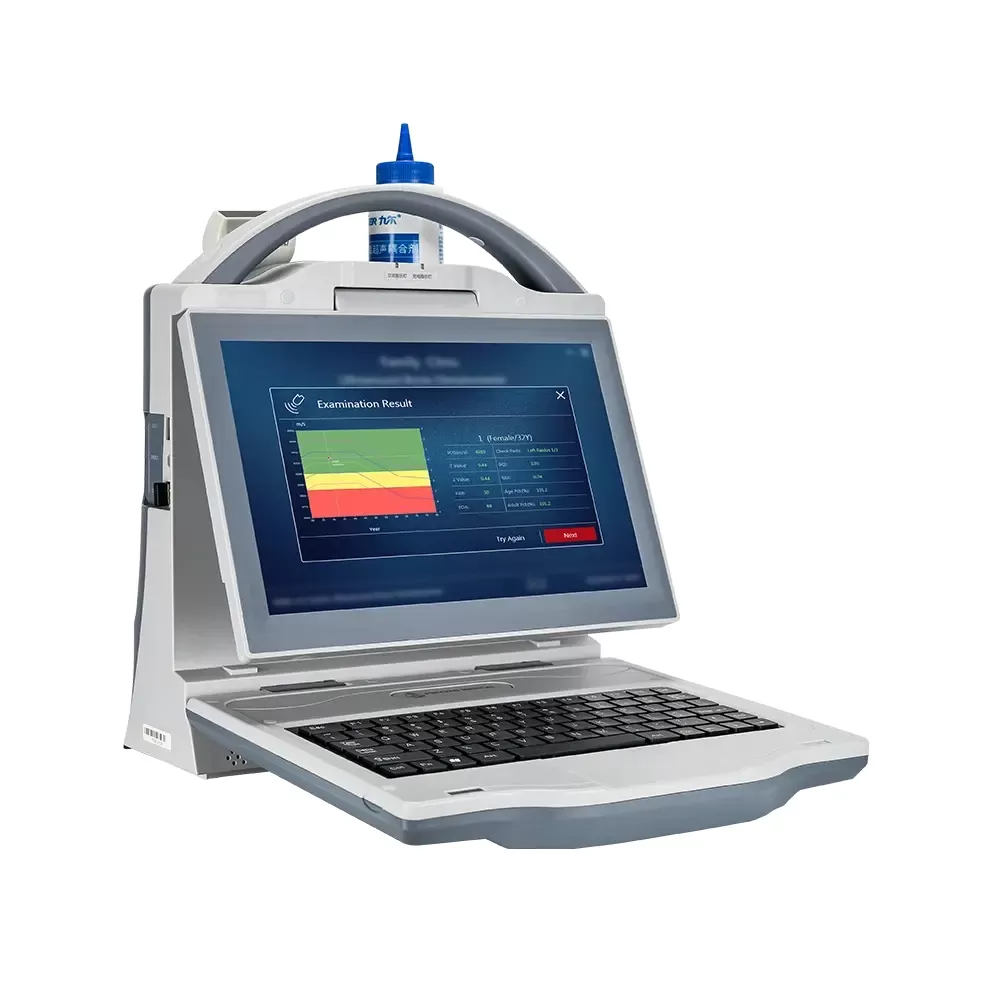
Portable Ultrasound Bone Densitometer BMD-A3
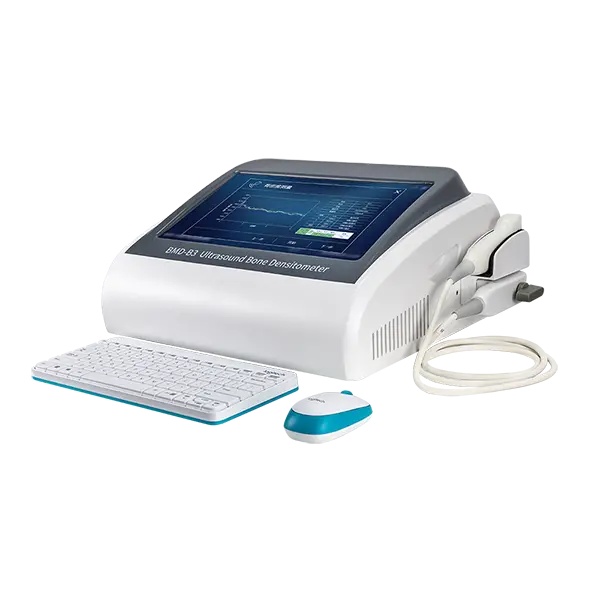
Automatic High Effective Portable Ultrasound Bone Densitometer BMD-B3
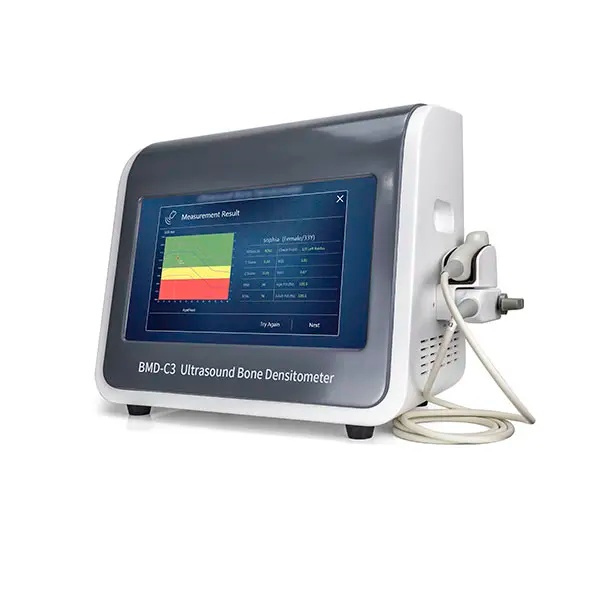
Portable Ultrasound Bone Densitometer BMD-C3
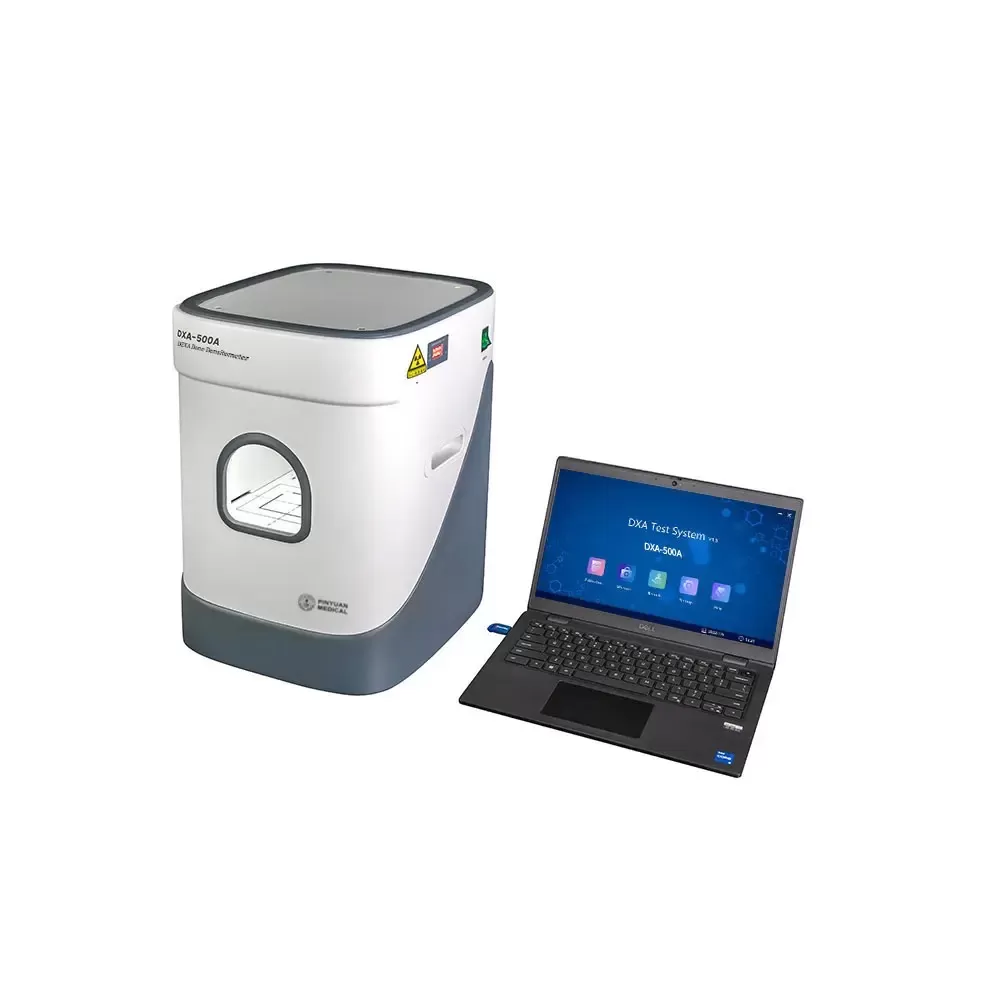
DXA Bone Densitometer 500A Dual-Energy X-ray Absorptiometry
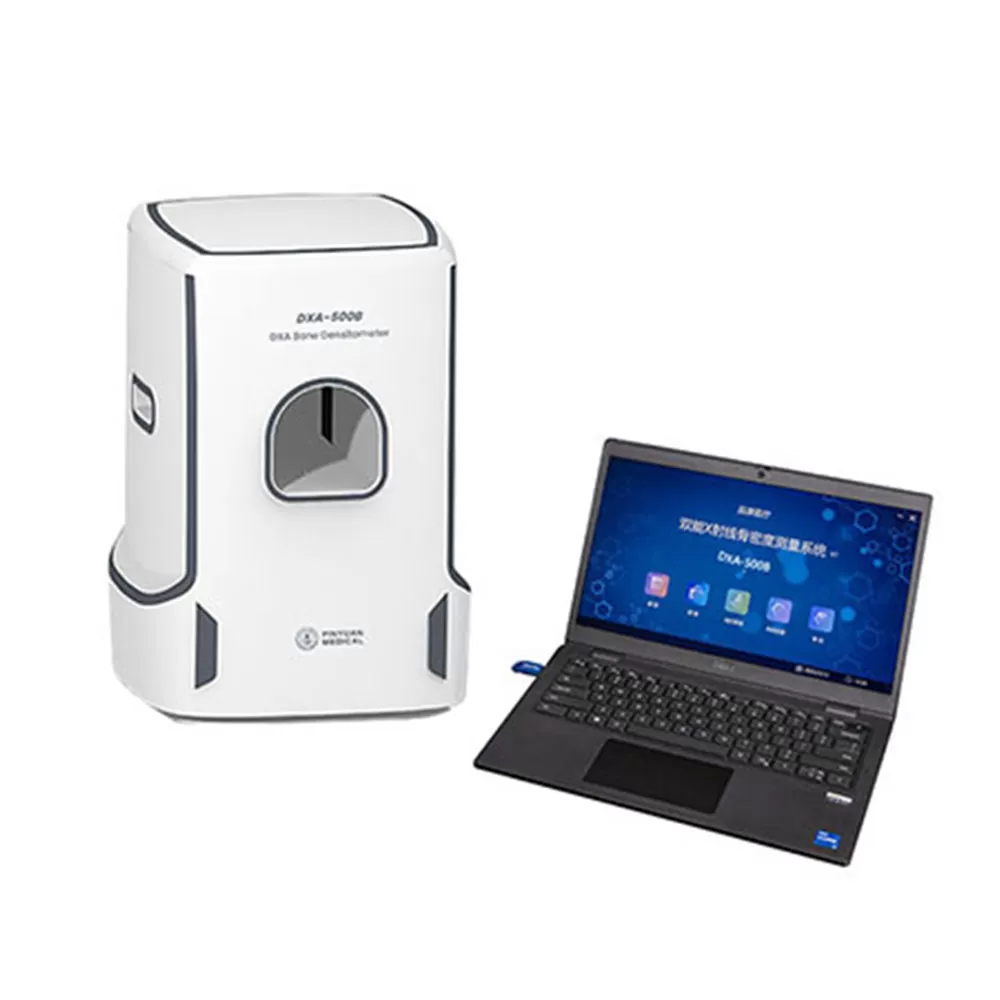
Dual-Energy X-ray Bone Densitometer DXA-500B
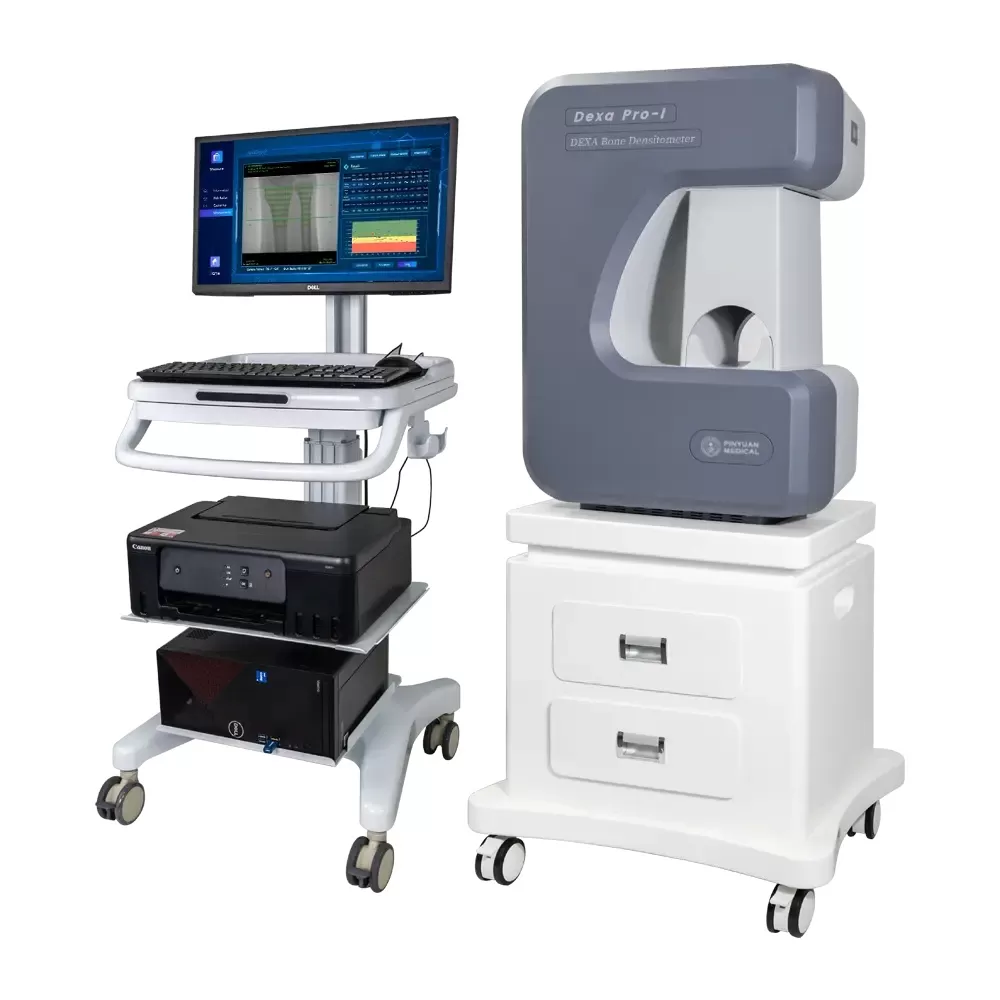
DXA Bone Densitometer DEXA Pro-1
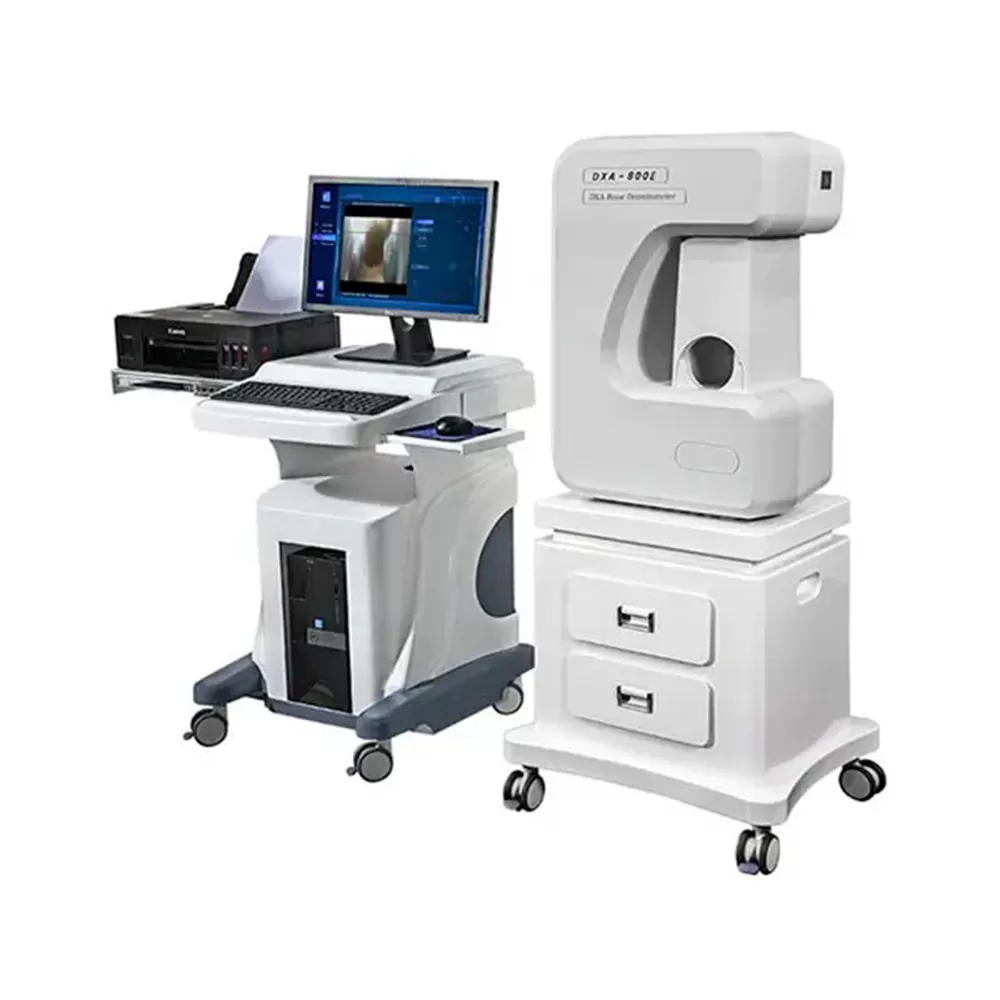
DXA Bone Densitometer 800E
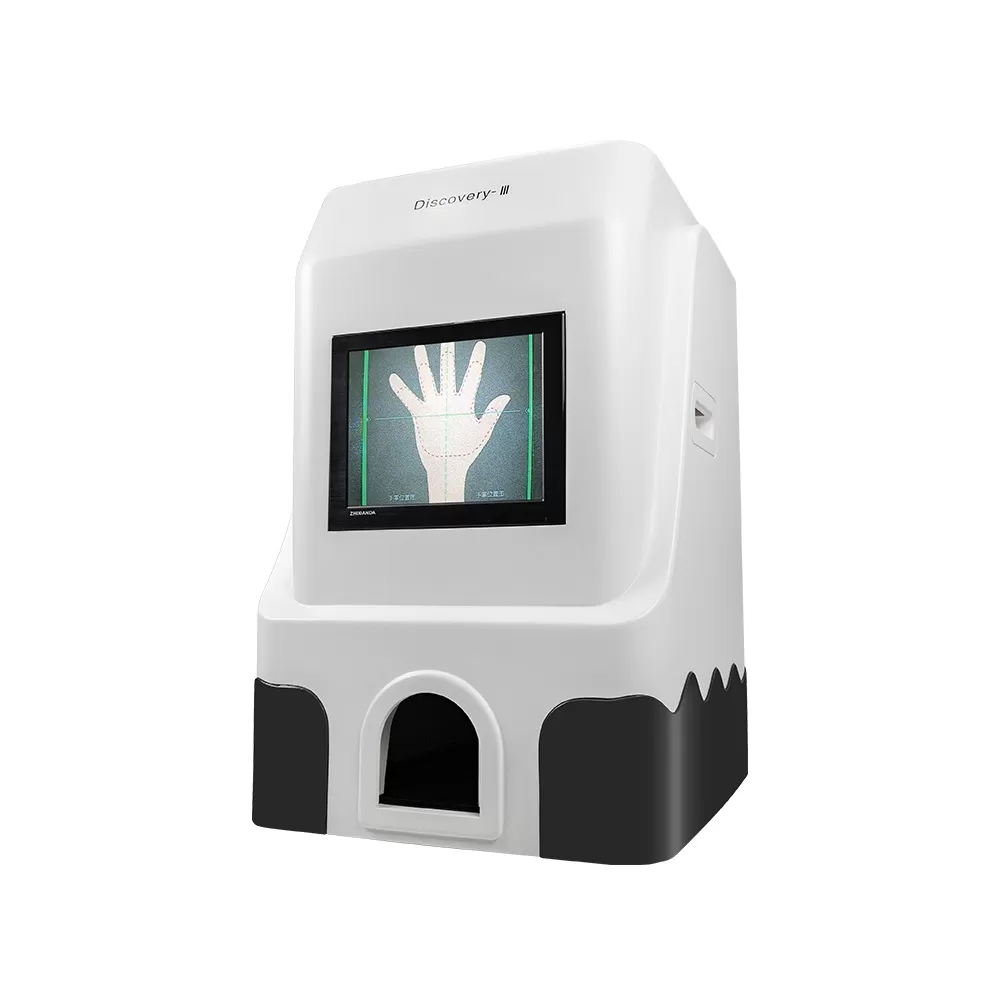
X-ray Bone Density and Skeletal Age Instrument Discover-lll