Ureteral Stent (Double J Catheter)
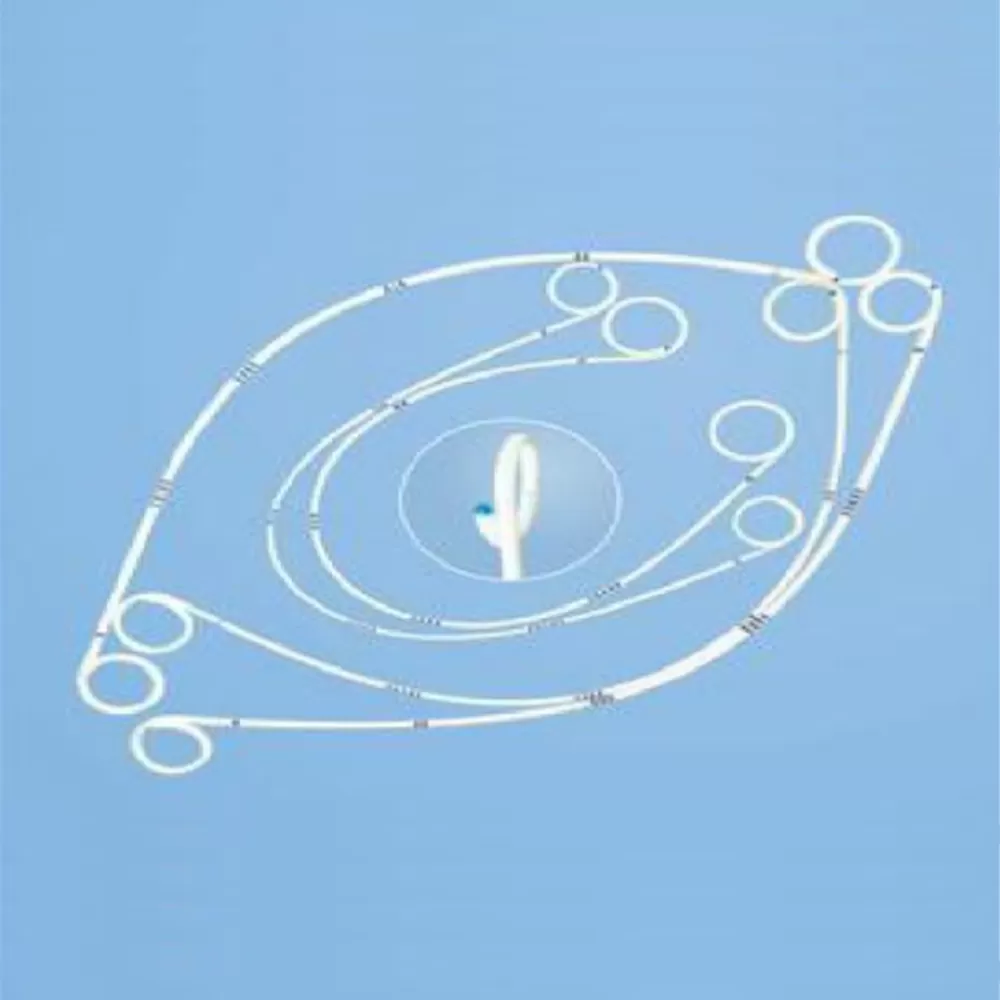
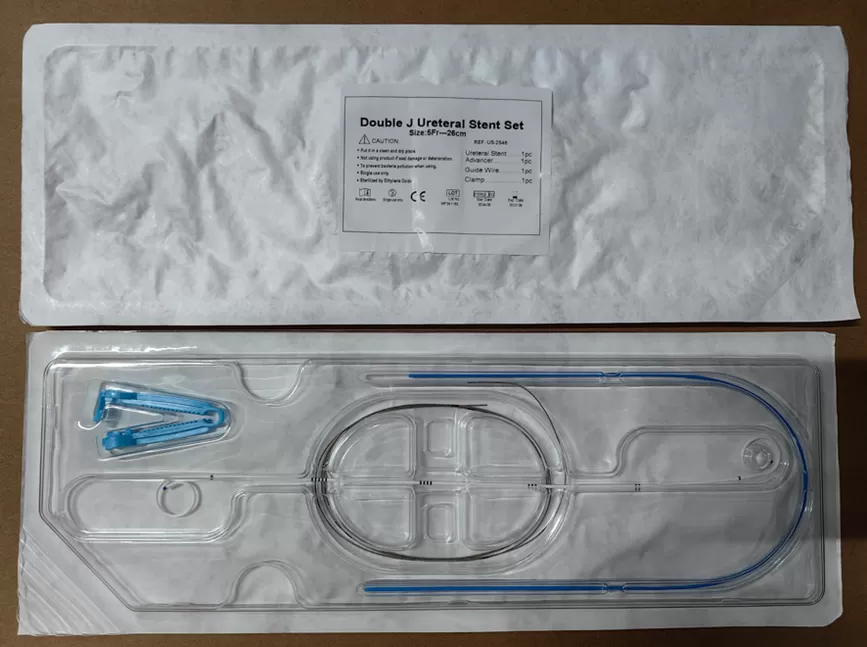
Product Introduction – Ureteral Stent (Double J Catheter / D-J Stent)
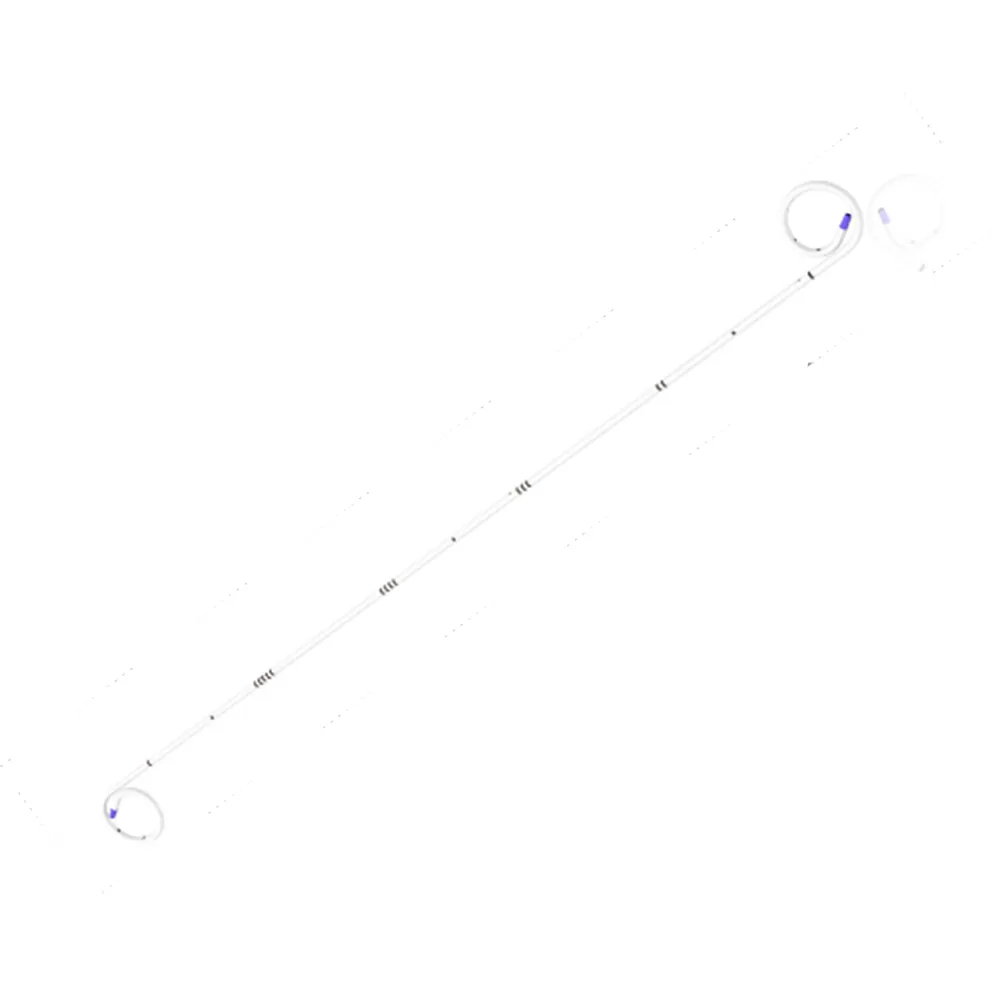
The Ureteral Stent, also commonly known as Double J Catheter or D-J Stent, is one of the most widely used devices in modern urology. It is a flexible, double-pigtail catheter designed to be placed within the ureter, with one coiled end positioned in the renal pelvis and the other in the bladder, ensuring secure placement and preventing migration.
Intended Use
The Ureteral Stent is indicated for the management of various benign and malignant urinary tract conditions. It serves as an essential tool in the treatment of ureteral obstruction, providing temporary or long-term internal drainage and support to restore normal urine flow from the kidney to the bladder.
Key Functions & Clinical Benefits
- Ureteral Support and Dilation: The stent effectively supports and gently dilates the ureteral lumen, helping to maintain patency and counteract narrowing caused by inflammation, edema, or external compression.
- Internal Drainage: It establishes reliable internal drainage, bypassing obstructions and allowing continuous urine flow while reducing the need for external drainage devices such as nephrostomy tubes.
- Postoperative Protection: After ureteroscopy, lithotripsy, or other endourological procedures, the stent prevents ureteral stricture formation and protects against temporary obstruction caused by mucosal edema or residual stone fragments.
- Relief of Obstruction: It rapidly relieves upper urinary tract obstruction due to ureteral stones, tumors, strictures, or retroperitoneal fibrosis, thereby reducing hydronephrosis and preserving renal function.
Design Features
- Double-pigtail (J-shaped) ends provide secure anchoring in both the kidney and bladder, minimizing the risk of stent migration or dislodgement.
- Made from biocompatible materials with excellent flexibility and kink resistance for patient comfort during short- or long-term indwelling.
- Smooth surface and tapered tips facilitate atraumatic insertion and removal.
- Available with or without a retrieval string for easy postoperative extraction.
- Radiopaque markers ensure clear visualization under fluoroscopy.
Clinical Applications
Widely used in urological procedures including:
- Ureteral stone management (pre- and post-lithotripsy)
- Ureteral stricture dilation and prevention
- Management of malignant ureteral obstruction
- Post-surgical drainage after pyeloplasty, ureteral reimplantation, or ureteroscopy
- Temporary drainage in cases of ureteral injury or fistula
The Ureteral Stent (Double J Catheter) plays a critical role in maintaining ureteral patency, protecting renal function, and improving patient outcomes in both emergency and elective urological interventions.
FAQs – Ureteral Stent / Double J Catheter
1. What material is the ureteral stent made of?
It is made from medical-grade, biocompatible materials designed for safety during short- or long-term placement.
2. How does the smooth surface of the stent benefit the patient?
The smooth surface reduces friction during insertion and removal, improving patient comfort and reducing trauma.
3. Is the stent resistant to kinking?
Yes, its advanced material construction provides excellent kink resistance to ensure continuous urine flow.
4. Why is radiopacity important for a double J catheter?
Radiopaque markers allow urologists to confirm the exact position of the pigtails in the kidney and bladder under X-ray.
5. How does the stent anchored in the renal pelvis?
The superior J-shaped end coils within the renal pelvis, preventing the stent from slipping down into the bladder.
6. What prevents the stent from moving upward?
The inferior J-shaped end coils within the bladder, acting as an anchor against upward migration.
7. Can the stent be used for ureteral injuries?
Yes, it provides temporary drainage and support in cases of ureteral injury or fistulas to aid healing.
8. Is the stent suitable for pediatric urology?
While sizes vary, the double J stent is used across various age groups based on clinical indications.
9. Does the stent assist in dilating the ureter?
Yes, it provides gentle, continuous dilation of the ureteral lumen to counteract inflammation or edema.
10. What clinical procedures commonly use this stent?
Common procedures include ureteroscopy, lithotripsy, and ureteral reimplantation.
11. How is the stent removed?
It is removed via cystoscopy or by using a retrieval string if one was attached during placement.
12. Does the stent help protect the kidney from damage?
By relieving upper urinary tract obstruction, it reduces pressure on the kidney and preserves its function.
13. Are there different sizes of D-J stents?
Yes, they come in various diameters (Fr) and lengths (cm) to fit the specific anatomy of each patient.
14. Can it be used for long-term management of chronic strictures?
Yes, specific long-term biocompatible stents are indicated for chronic ureteral management.
15. Is the stent tip tapered?
Yes, the tapered tip is designed for smooth, atraumatic passage through the ureteral orifice and lumen.