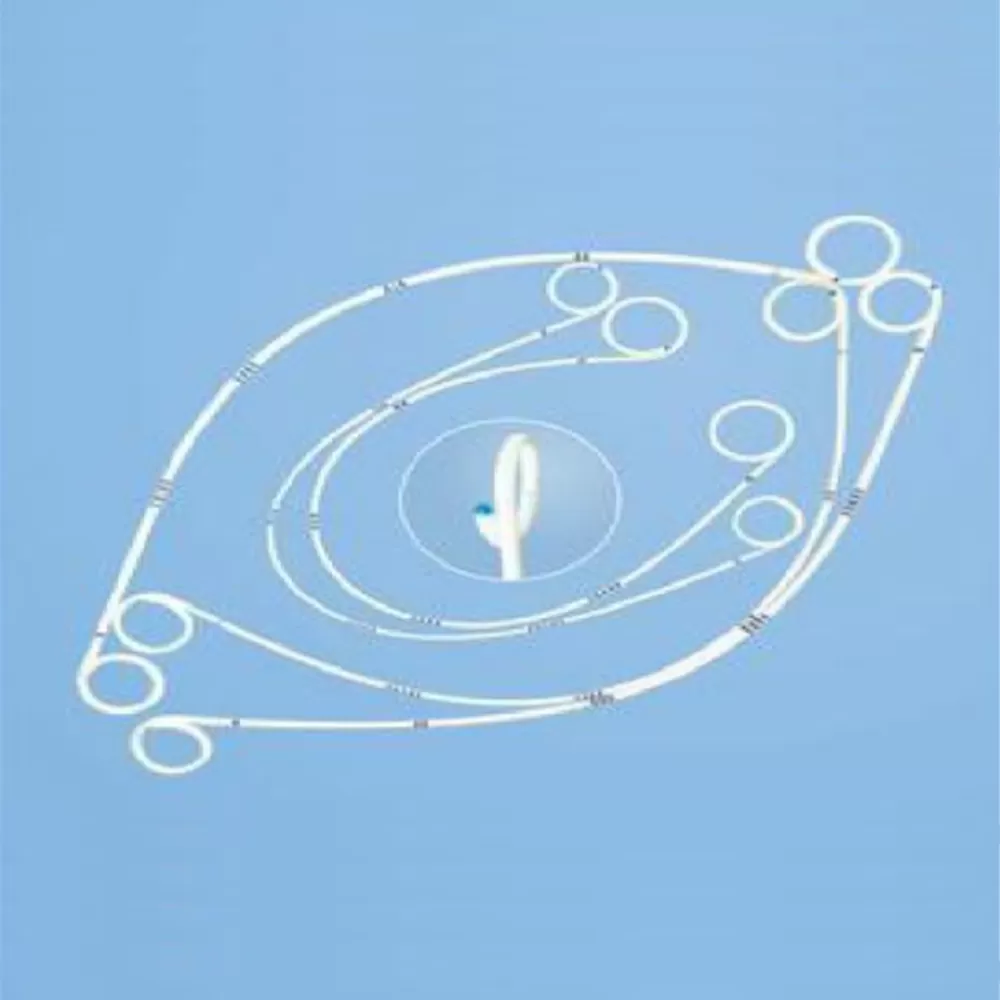
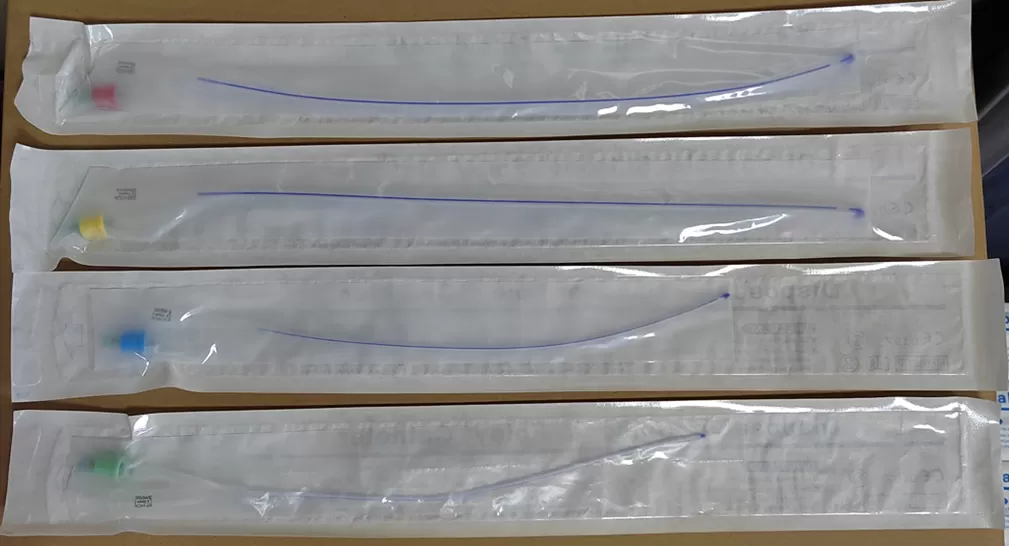
Silicone foley catheter
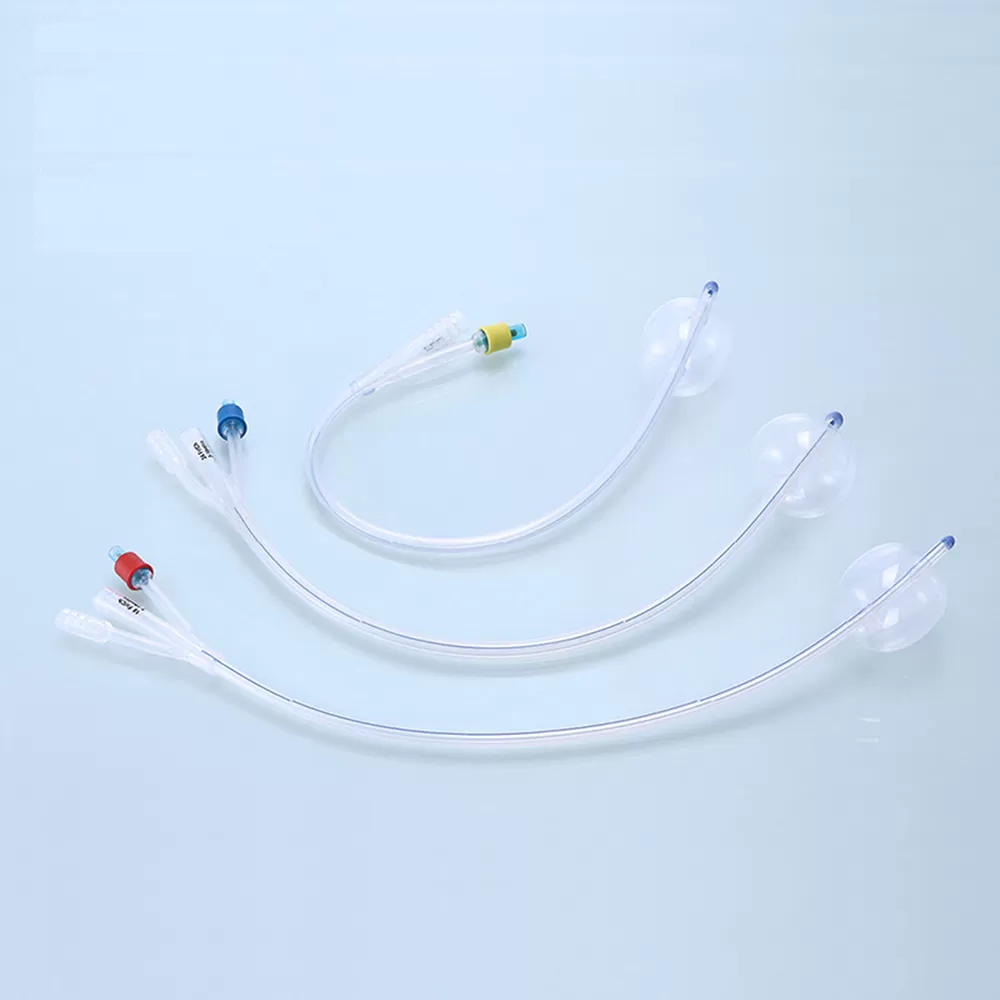
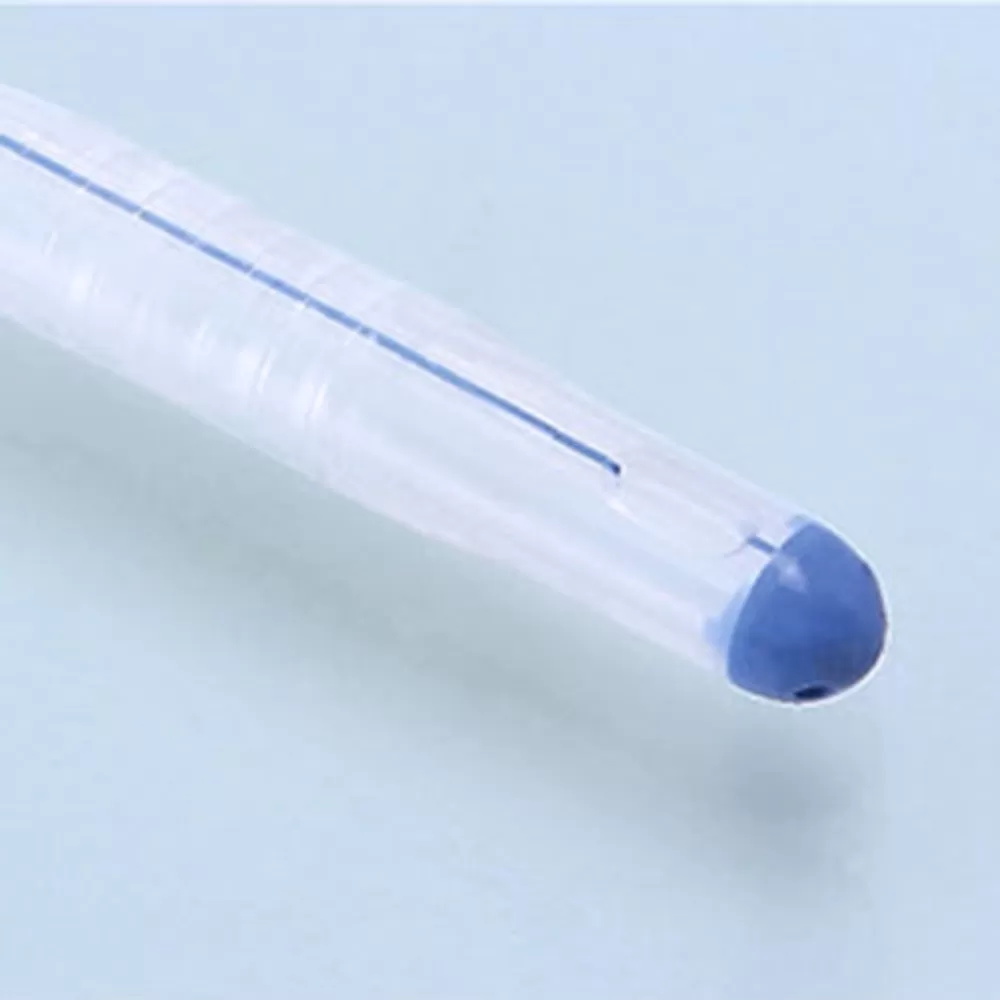
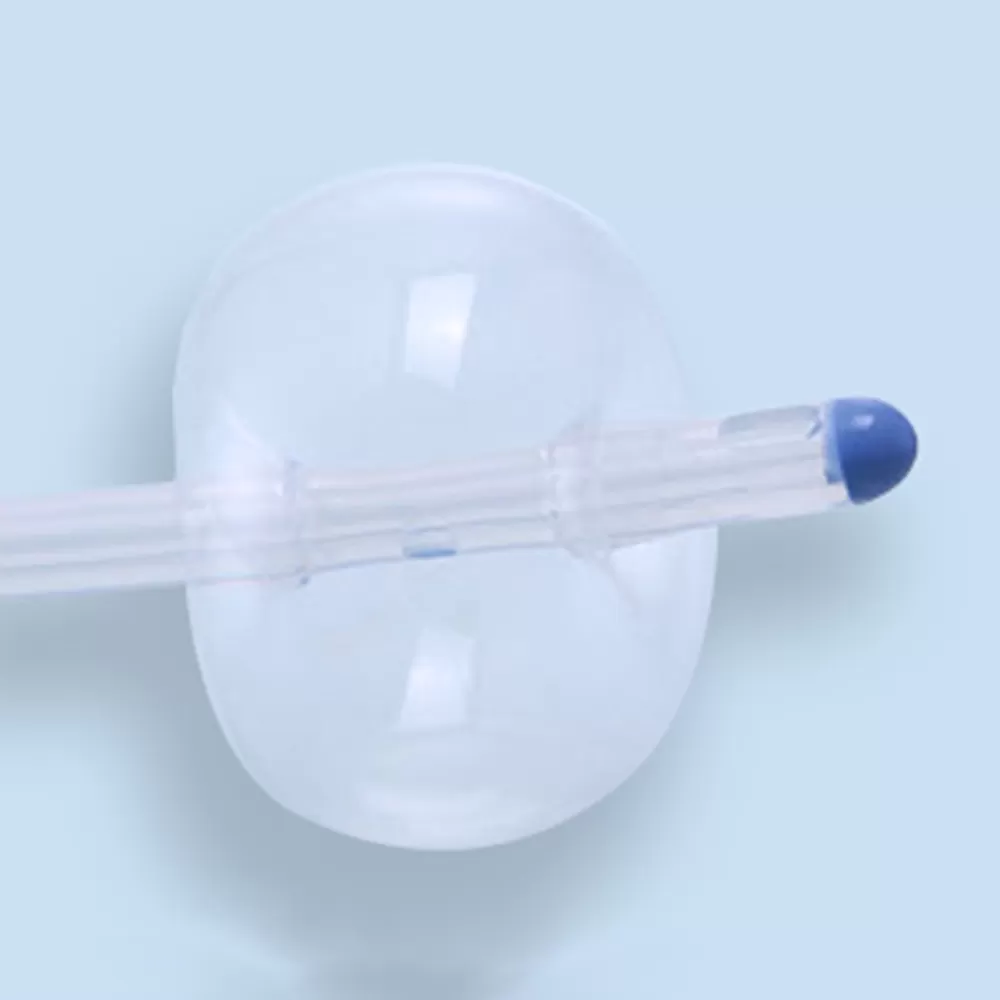
Intended Use and Indication
Intended Use:
The Disposable Silicone Foley Catheter is intended used for bladder drainage for urological use only.
It is sterile, single use and intended to be used by trained and experienced professionals.
Indications for Use:
The Disposable Silicone Foley Catheter is indicated for use of drainage of urine, which is accomplished by inserting the catheter through the urethra and into the bladder. It can relieve acute or chronic urinary retention or bladder outlet obstruction.
Ordering information
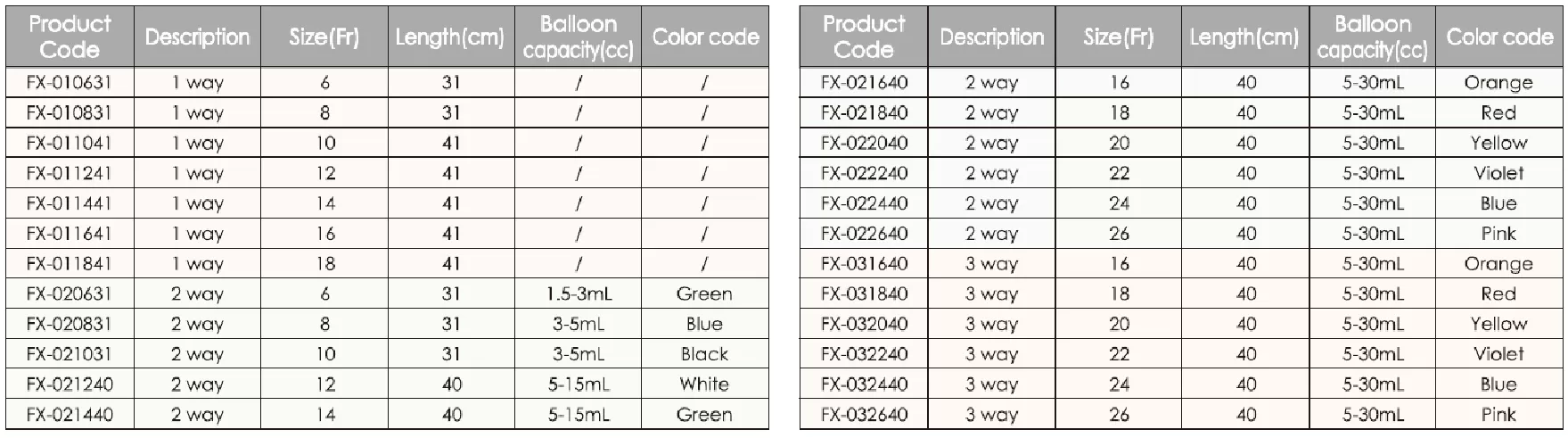
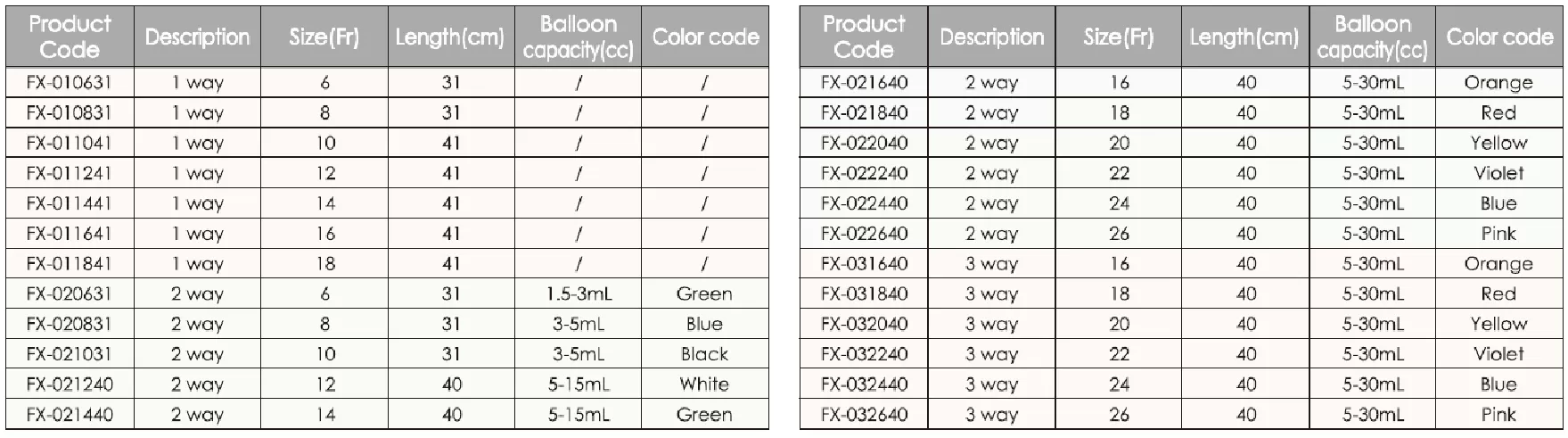
Single Use Silicone Foley Catheters comply with the Medical Device Directive 93/42/EEC.
Contraindication
The product should not be used if the patient has a known allergic reaction towards silicone.
1) Any use other than stated indications is under the responsibility of the physician.
2) Use water soluble lubricants only. Do not use ointments or lubricants having a petrolatum base. They will damage catheter’s material and may burst balloon.
3) Dwelling time depends on medical staff and patient conditions but maximum retention time should not more than 30days.
4) Do not inflate the balloon beyond the maximum value indicated.
5) Do not clamp the catheter. Use a plug if necessary.
6) Please strictly perform aseptic operation when using. Only normal saline or sterile water for injection can be injected into the air bag, and the amount of water injected shall not exceed the marked capacity.
7) The balloon must be completely deflated before catheter removal.
8) Do not use if the package has been previously opened or damaged.
9) Do not use if the product after expiry date.
10) The catheter should be inserted gently to avoid damaging the urethral mucosa. Do not insert too deep or too shallow, especially do not repeatedly twitch the catheter.
11) If the bladder is overfilled and the patient is extremely weak, urination should be slow. The first urine release should not exceed 1000ml to avoid bleeding or syncope caused by sudden decompression of the bladder.
12) When indwelling catheter, the fixation of catheter should be checked frequently to see if it is out. If the urethra relaxes for several hours before reinsertion, wash the bladder with sterile liquid once a day if necessary to avoid urethral infection.
13) Regularly check whether the connection between urinary catheter and urine bag is reliable.
14) Observe the color, character and excretion of urine. Keep the catheter unobstructed to avoid distortion, compression and blockage.
15) When pulling out the catheter, you can insert an empty syringe into the one-way valve according to the water injection method to let the water discharge naturally, or cut off the piston to discharge naturally and then pull out. If there is resistance, do not forcefully pull out, otherwise the urethra will be damaged.
16) Discard after single use. Reuse of this single use product may create a potential risk to the user. Reprocessing, cleaning, disinfection and sterilization may compromise product characteristics which in turn create an additional risk of physical harm to or infection of the patient.
17) Disposal of the device shall be made in accordance with applicable national regulations for biological hazardous waste.
18) If there any serious incident that has occurred in relation to the device should be reported to the manufacturer and the competent authority of the Member State in which the user and/or patient is established.
19) The catheter is detectable by X-ray.
20) The catheter is not compatible with MRI.
21) The intended patients of the device are both pediatrics and adults who needs bladder drainage. Always ensure the correct type and size of catheter is chosen depending on the patient and indication.
FAQs – Single Use Silicone Foley Catheter
From a buyer’s perspective – addressing clinical doubts, safety concerns & building trust
1. Q: What is the intended use of this Foley catheter?
A: For bladder drainage via urethra. Relieves acute/chronic urinary retention, bladder outlet obstruction. Urological use only.
2. Q: What material is used? Is it latex-free?
A: 100% medical-grade silicone. Latex-free. Hypoallergenic – ideal for patients with latex sensitivity. Silicone offers better biocompatibility and longer indwelling than latex.
3. Q: What is the maximum indwelling time?
A: ≤ 30 days. Dwelling time depends on patient condition – clinician discretion. Extended use requires reassessment.
4. Q: What is the absolute contraindication?
A: Do not use in patients with known allergic reaction to silicone. No other absolute contraindications.
5. Q: What type of lubricant should be used?
A: Water-soluble lubricants only. Never use petrolatum-based ointments – they damage silicone material and may cause balloon rupture.
6. Q: How should I inflate the balloon?
A: Inject only sterile water or normal saline. Do not exceed marked capacity. Overinflation may cause balloon burst or patient injury.
7. Q: How do I remove the catheter?
A: Completely deflate balloon first. Insert empty syringe into one-way valve, let water drain naturally, or cut piston. Do not forcefully pull if resistance felt – risk of urethral trauma.
8. Q: What is the maximum first urine release volume?
A: ≤ 1000 mL. In overfilled bladder or extremely weak patients, slow drainage prevents bleeding or syncope caused by sudden decompression.
9. Q: Is this catheter MRI compatible?
A: No. Not compatible with MRI. However, it is X-ray detectable – radiopaque line confirms positioning.
10. Q: Is this product suitable for pediatrics?
A: Yes. Intended for both pediatrics and adults. Choose correct type/size based on patient and indication.
11. Q: What certifications does this product have?
A: Compliant with Medical Device Directive 93/42/EEC. Manufactured under ISO 13485, FDA510K, CE marked. Sterile, EO sterilized.
12. Q: Can I reuse this catheter?
A: Absolutely not. Strictly single-use only. Reuse risks:
Infection / cross-contamination
Material degradation
Balloon failure
Regulatory non-compliance
Dispose as biohazard waste per local regulations.
13. Q: How should I fix the catheter during indwelling?
A: Check fixation frequently to prevent dislodgement. If urethra relaxes, wash bladder with sterile liquid daily if needed to prevent infection.
14. Q: Do you offer OEM or private labeling?
A: Yes. OEM/private label available. Custom sizes, packaging, and labeling. MOQ applies – contact sales team.