Vacuum Tube For Blood Collection
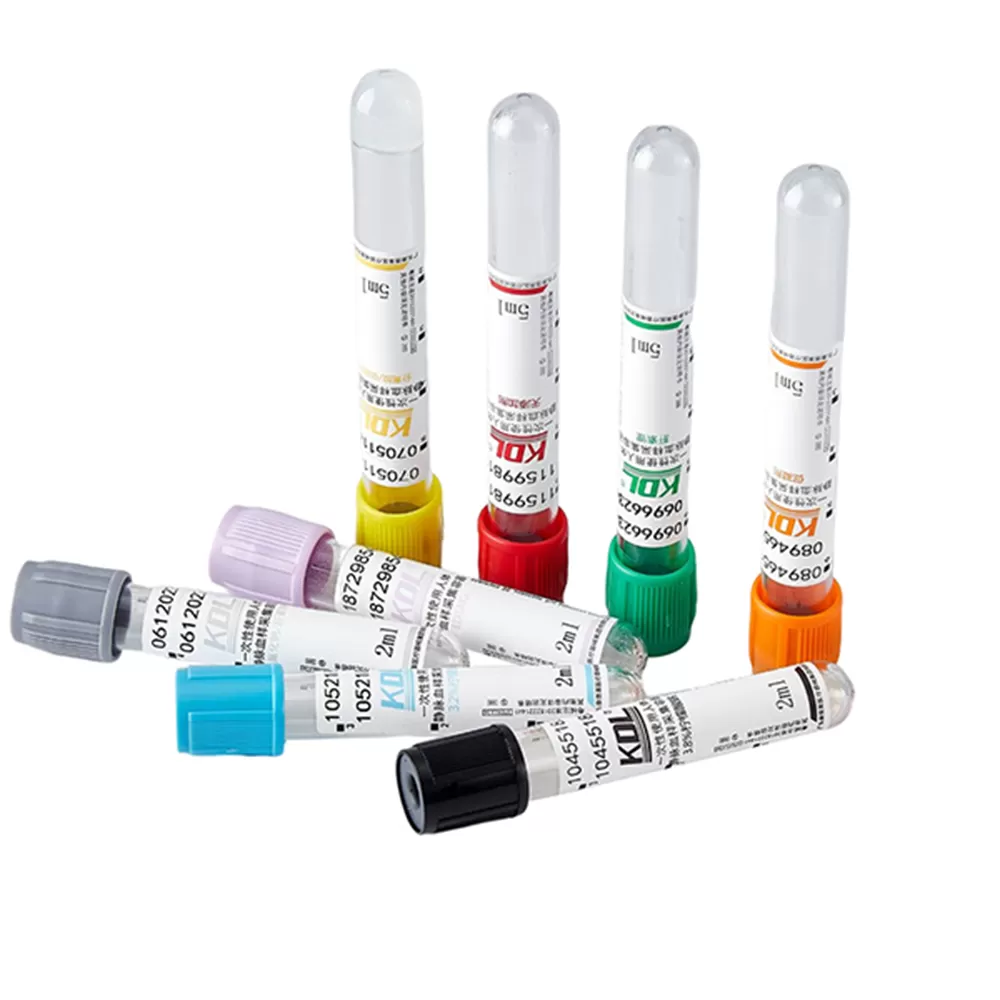
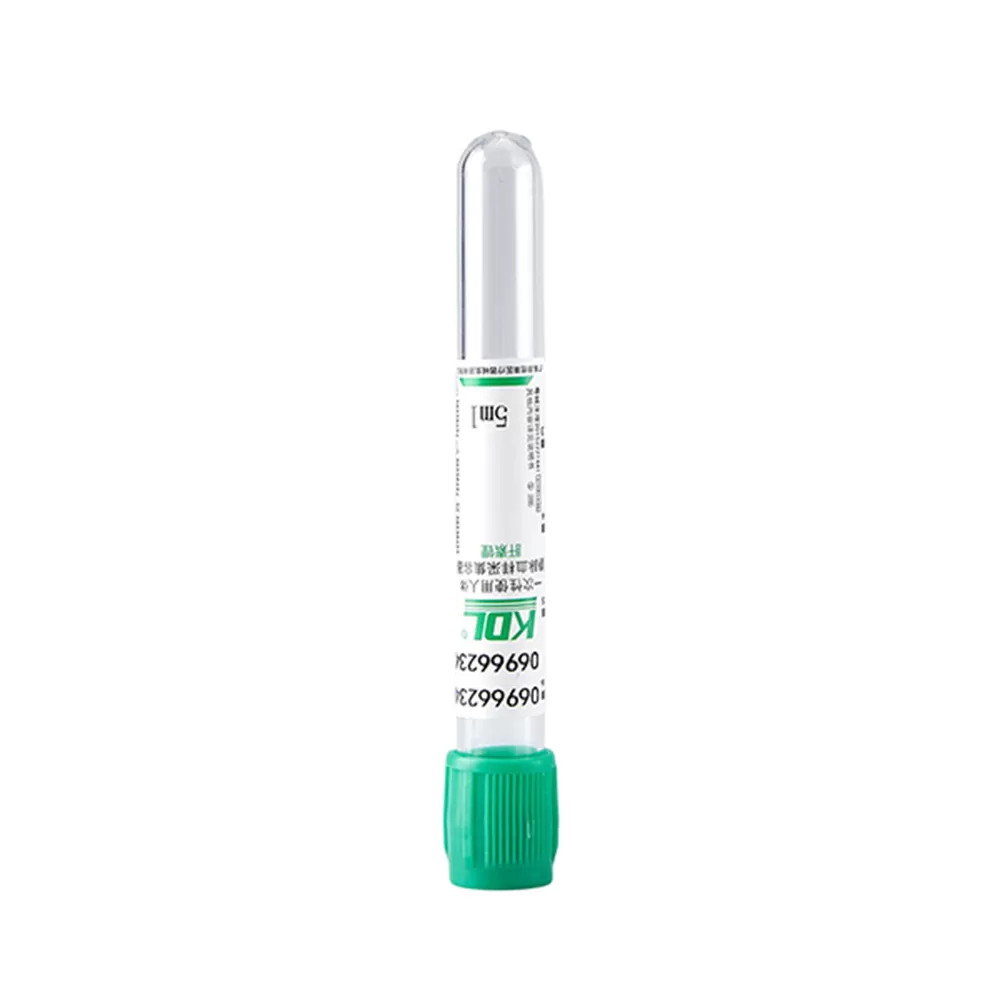
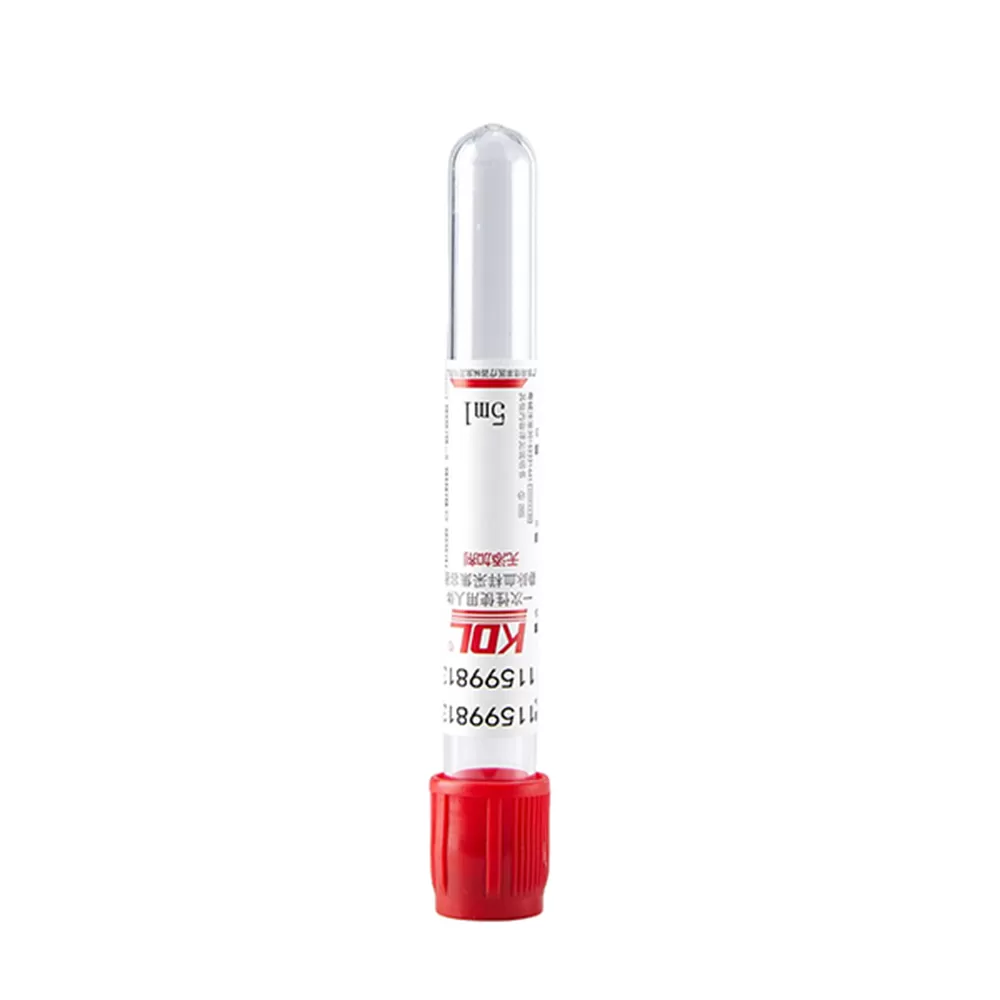
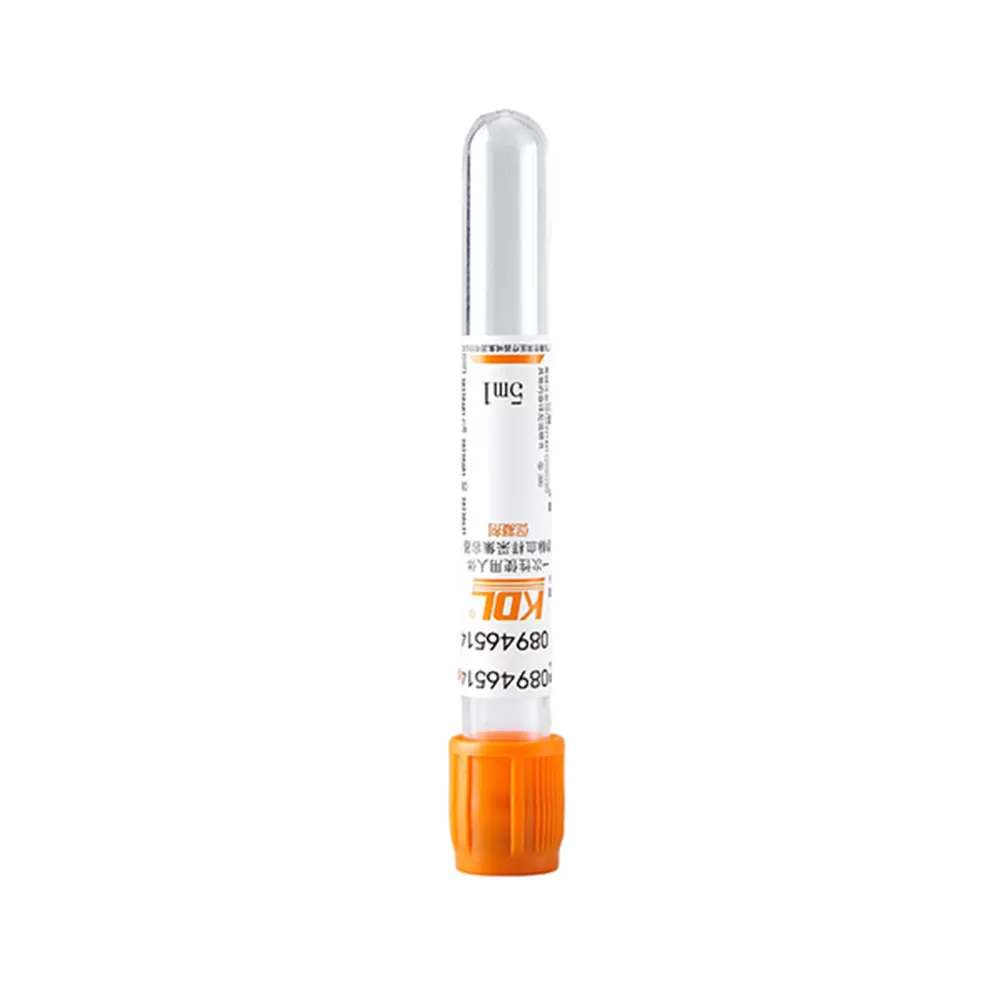
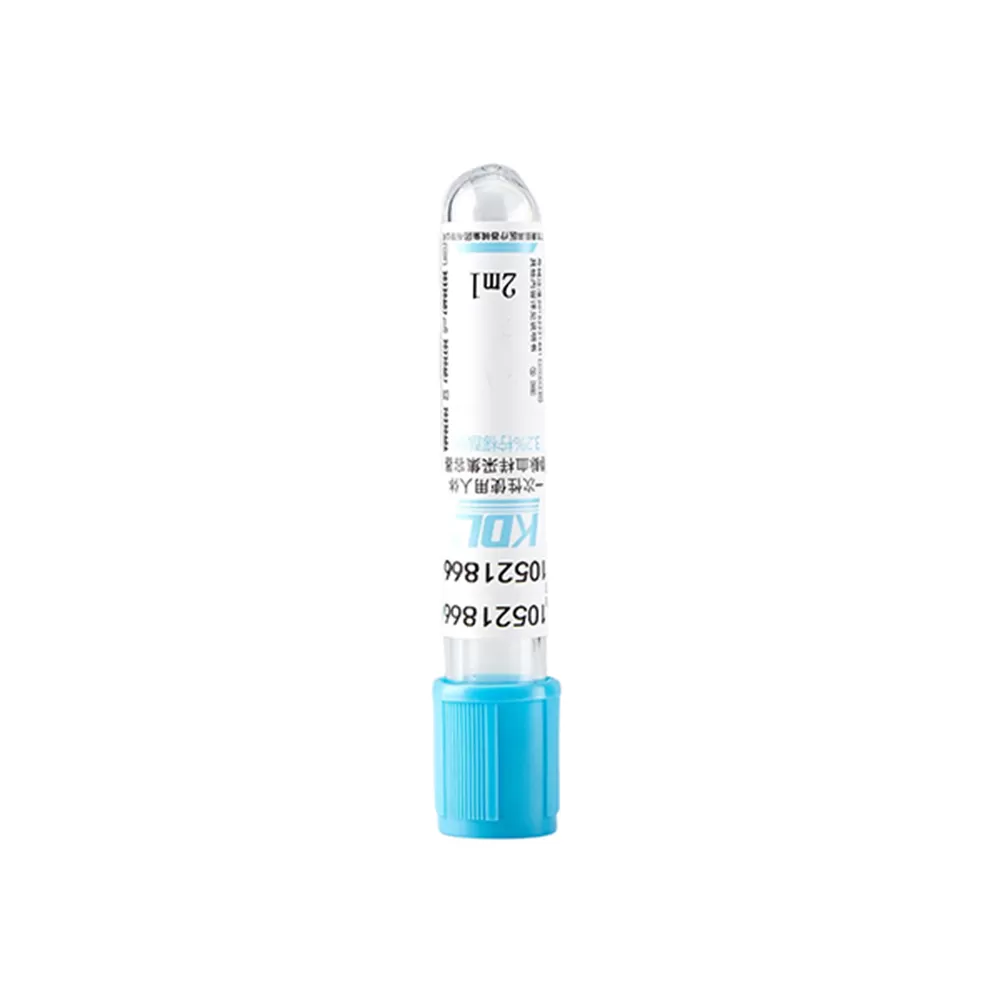
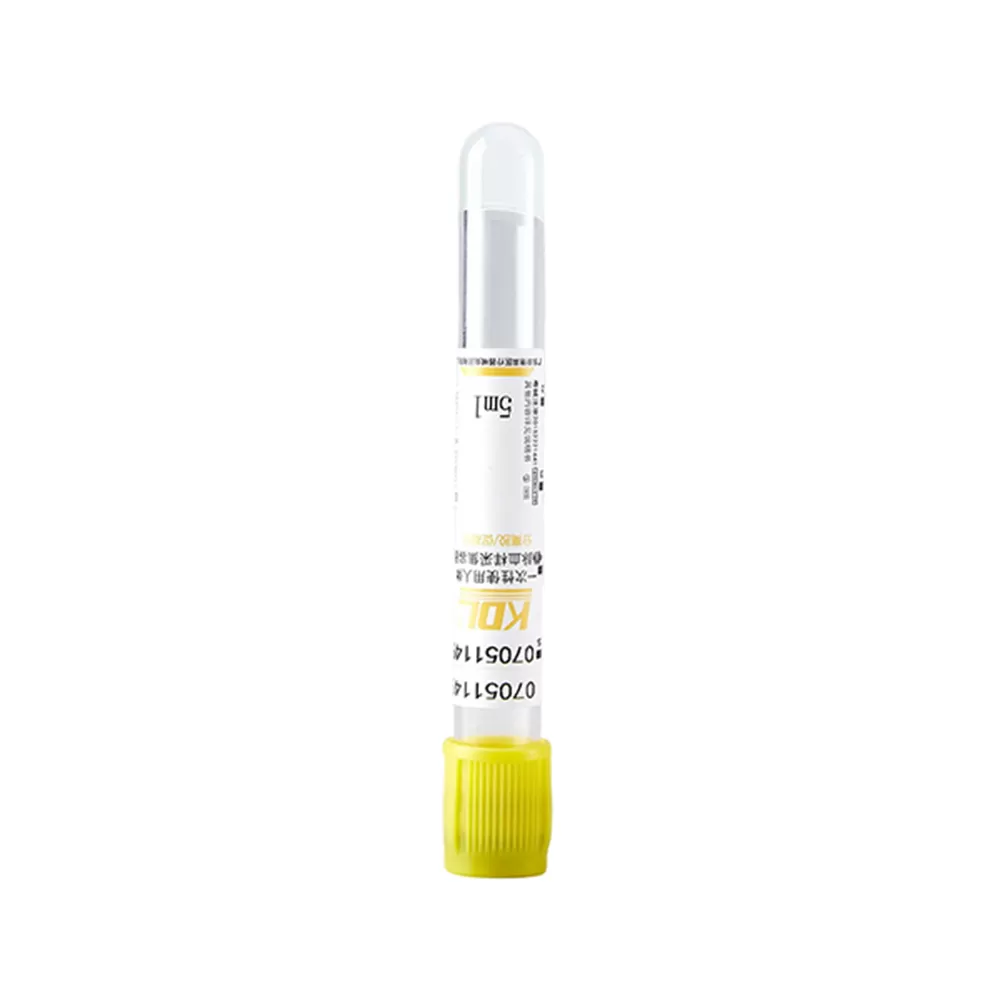
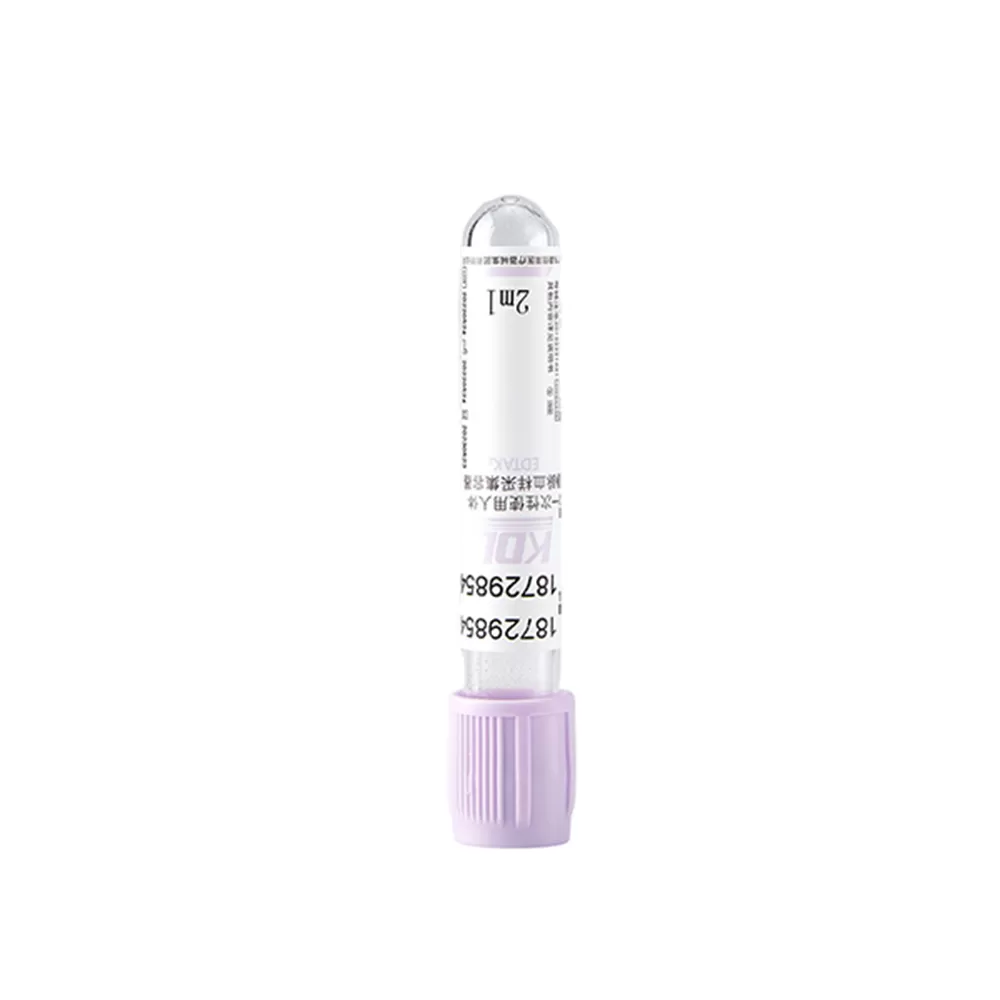
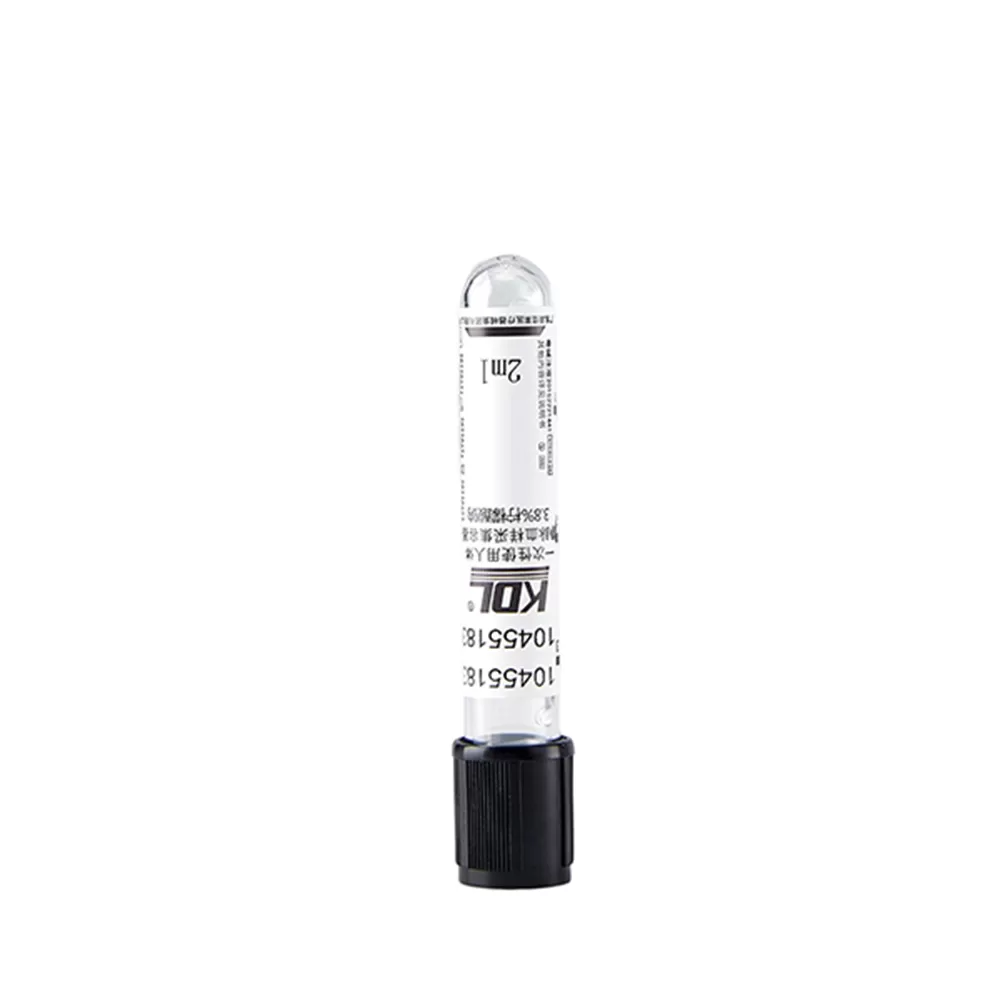
● Quantitative additives can be added in advance according to the function of the product and the amount of blood collected.
FAQ (Frequently Asked Questions):
Q: What is the intended use of these vacuum blood collection tubes?
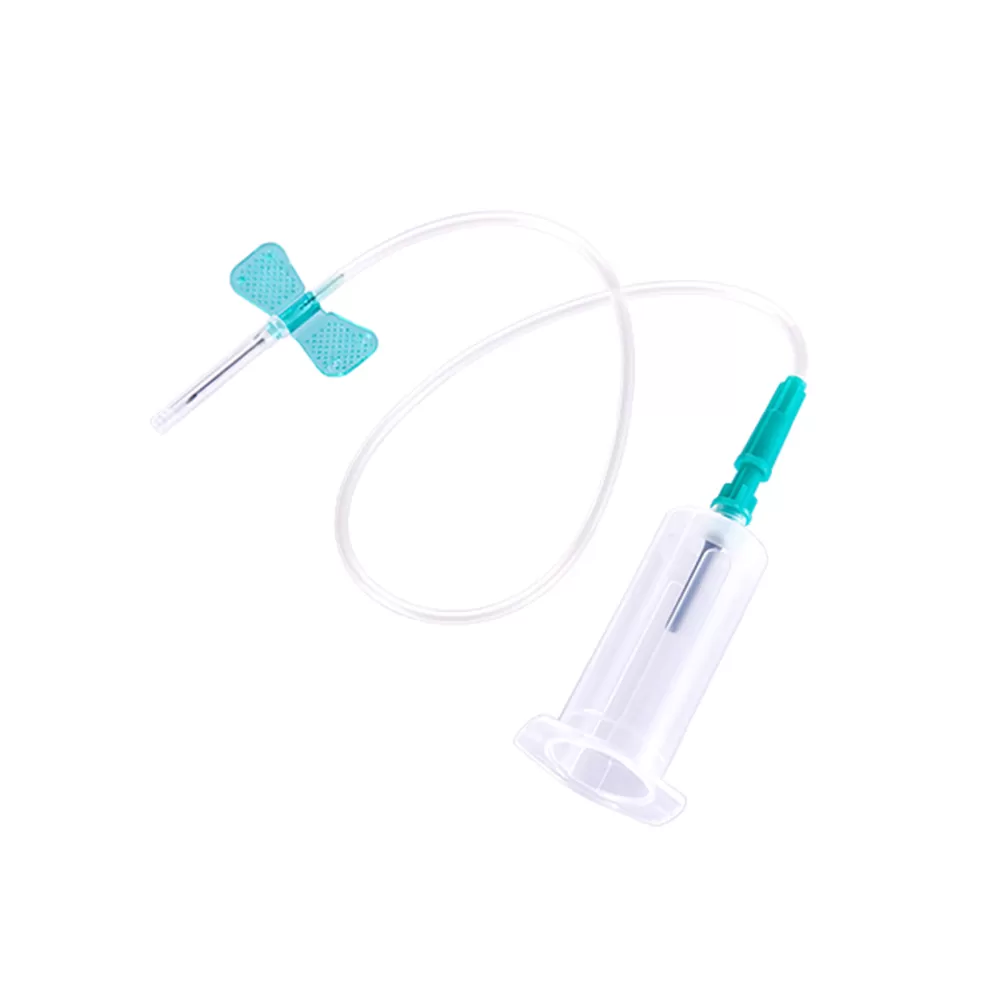
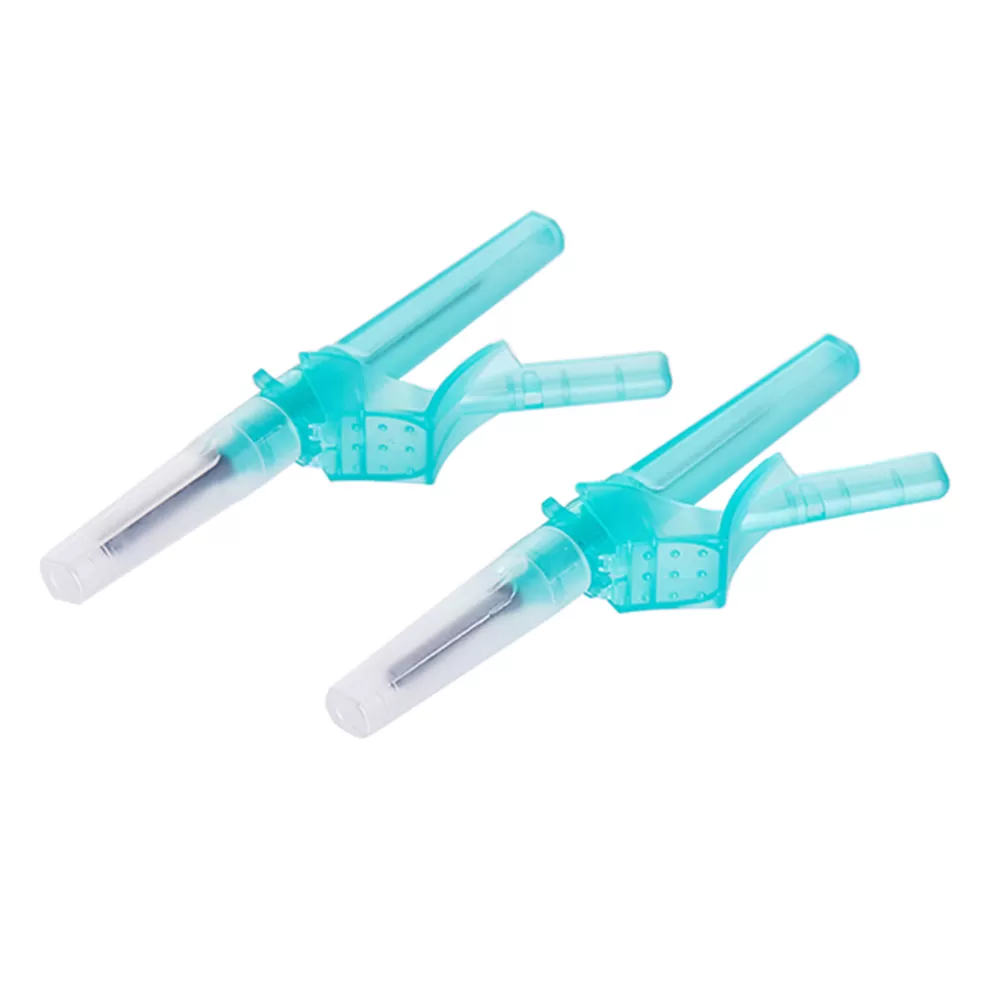
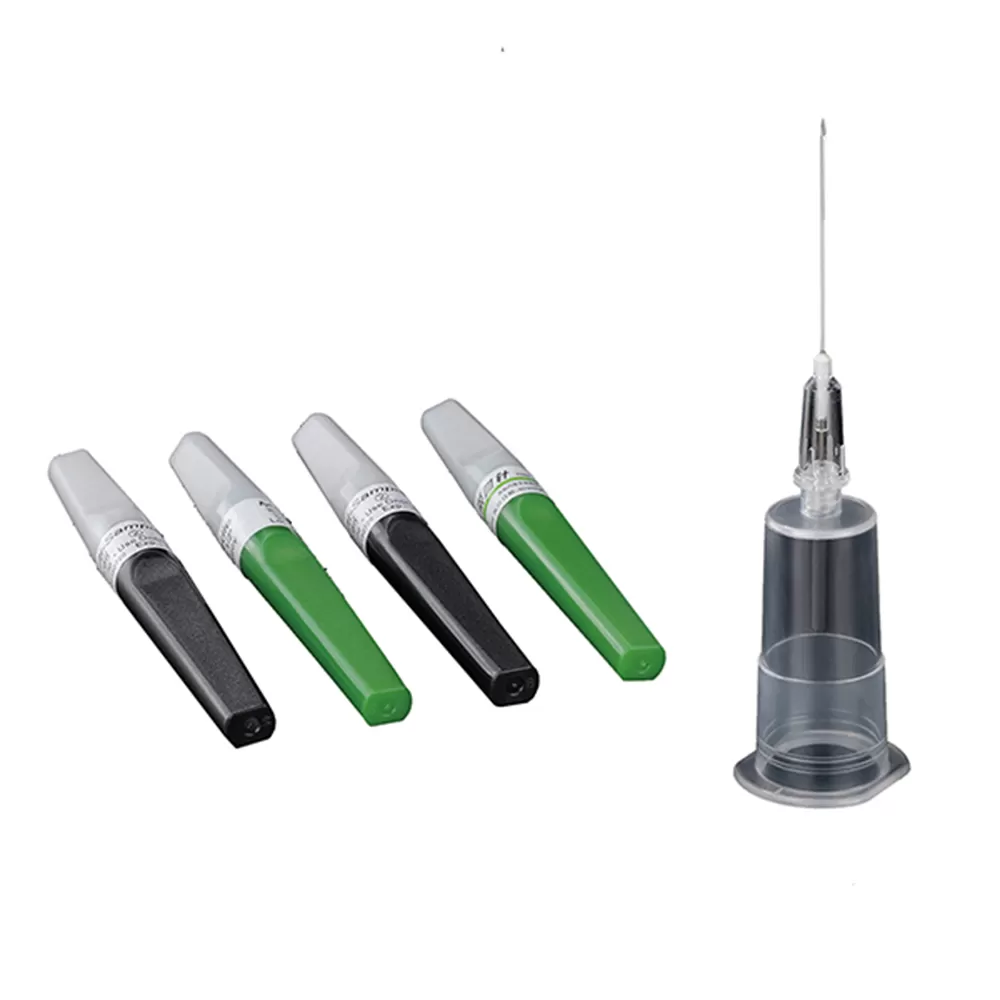
A: They are used as a venous blood collection system, in conjunction with a blood collection needle and needle holder, for the collection, storage, transfer, and pretreatment of blood specimens for serum, plasma, or whole blood testing in clinical laboratories.Q: What materials are used in these tubes?
A: Tubes are made of medical-grade PETG or reinforced glass. Closures are made of butyl rubber, and caps are made of medical polymers. All materials are latex-free.Q: Are the tubes transparent for observation?
A: Yes, the tubes are latex-free and highly transparent, allowing for easy observation of venous blood draws and sample quality.Q: What is the centrifugal force resistance?
A: The tubes are able to withstand up to 3kg of centrifugal force, ensuring safe processing in laboratory centrifuges.Q: What is the vacuum accuracy?
A: The tubes feature precise pre-vacuum with a tolerance of ±0.1, ensuring accurate and consistent blood draw volumes.Q: How long is the vacuum guaranteed?
A: The vacuum is guaranteed for 2 years from the date of manufacture, maintaining reliable performance during storage.Q: Can additives be pre-added to the tubes?
A: Yes, quantitative additives can be added in advance according to the product's function and the required blood collection volume (e.g., anticoagulants, clot activators, gel separators).Q: What are the product components?
A: This product mainly consists of caps, rubber plugs, test tubes, and labels.Q: What is the shelf life?
A: The shelf life is 5 years when stored properly under recommended conditions.Q: What quality certifications apply?
A: The product is manufactured in full compliance with ISO13485 quality systems and meets relevant industry and national standards. This product belongs to Class III products in 6841 Medical Laboratory and Basic Equipment Apparatus.Q: What types of additives are available?
A: Available additives include clot activators, heparin (lithium, sodium), EDTA (K2, K3), sodium citrate, sodium fluoride, and gel separators for serum or plasma separation.Q: Are these tubes suitable for pediatric blood collection?
A: Yes, smaller volume tubes are available for pediatric and geriatric patients. Please inquire about our full size range.Q: How should these tubes be stored?
A: Store in a cool, dry place (15-25°C) away from direct sunlight and extreme temperatures. Do not freeze.Q: Are the tubes latex-free?
A: Yes, all components including stoppers are latex-free, making them safe for patients and healthcare workers with latex allergies.Q: What sizes/volumes are available?
A: Standard volumes typically range from 2mL to 10mL. Custom volumes may be available upon request.Q: What is the difference between PETG and glass tubes?
A: PETG tubes are lightweight, shatter-resistant, and offer excellent clarity. Glass tubes provide traditional performance and are available for specific applications requiring glass contact.Q: Are these tubes compatible with automated laboratory systems?
A: Yes, they are designed for compatibility with most automated laboratory analyzers and handling systems.Q: What color coding is used for different additives?
A: Standard international color coding is used for cap colors to indicate additive types (e.g., red for serum, lavender for EDTA, light blue for citrate). Please refer to our color code chart.Q: What documentation is available for regulatory submissions?
A: Comprehensive technical files, sterility certificates, additive specifications, and ISO13485 certification are available upon request.Q: What is the minimum order quantity?
A: MOQ varies by tube type, volume, and additive. Please contact our sales team for detailed information.