
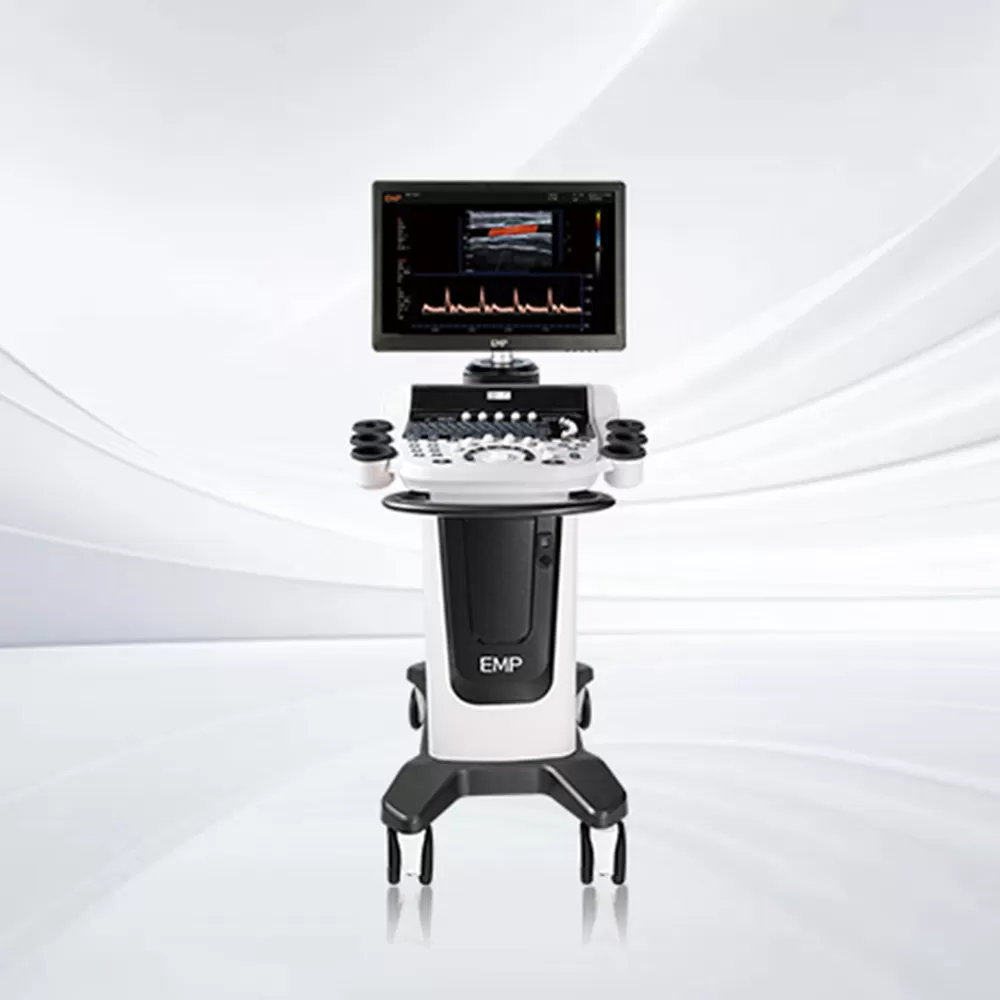
Digital Color Doppler Ultrasound System EMP-3000



Advantage
01.
Up to 17.0 MHz High Frequency Linear Probe
eView Panoramic Imaping, Trapezoid Imaging esCI Spatial Compound Imaging Technology
Applications
Abdomen, Gynecology, Urolopy, Obstetrics, Cardiology, Superficial Tissue and Small Organs and more
Software
|
|
|
|
|
|


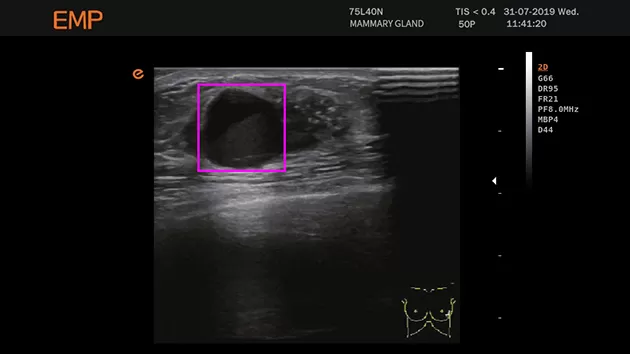


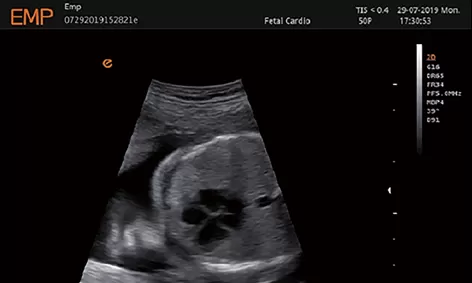
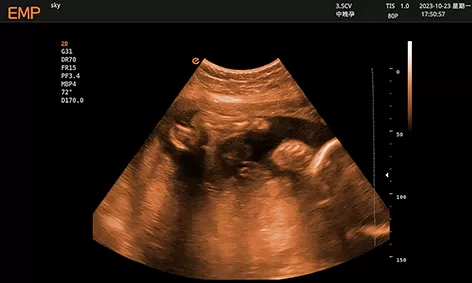
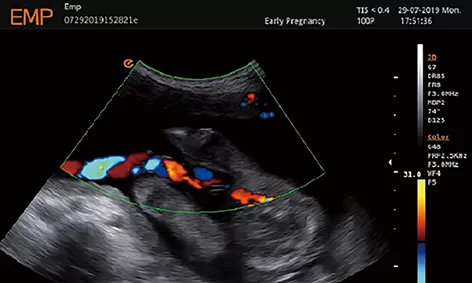
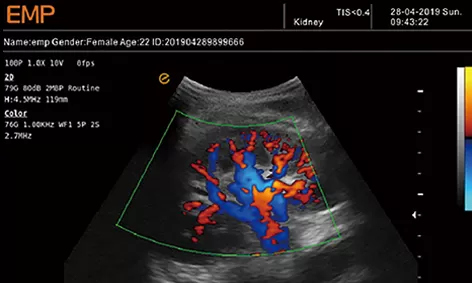
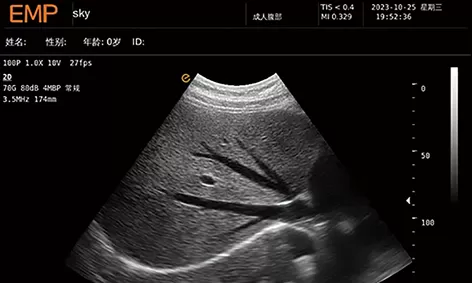
Cinical Images
|
|
|
|
|
|


FAQ:
What are the display options for this ultrasound system?
The system offers choice of 21.5-inch or 23.8-inch high-resolution medical grade monitors, both featuring high-definition display with flexible swivel arm for optimal viewing.How does the adjustable monitor benefit users?
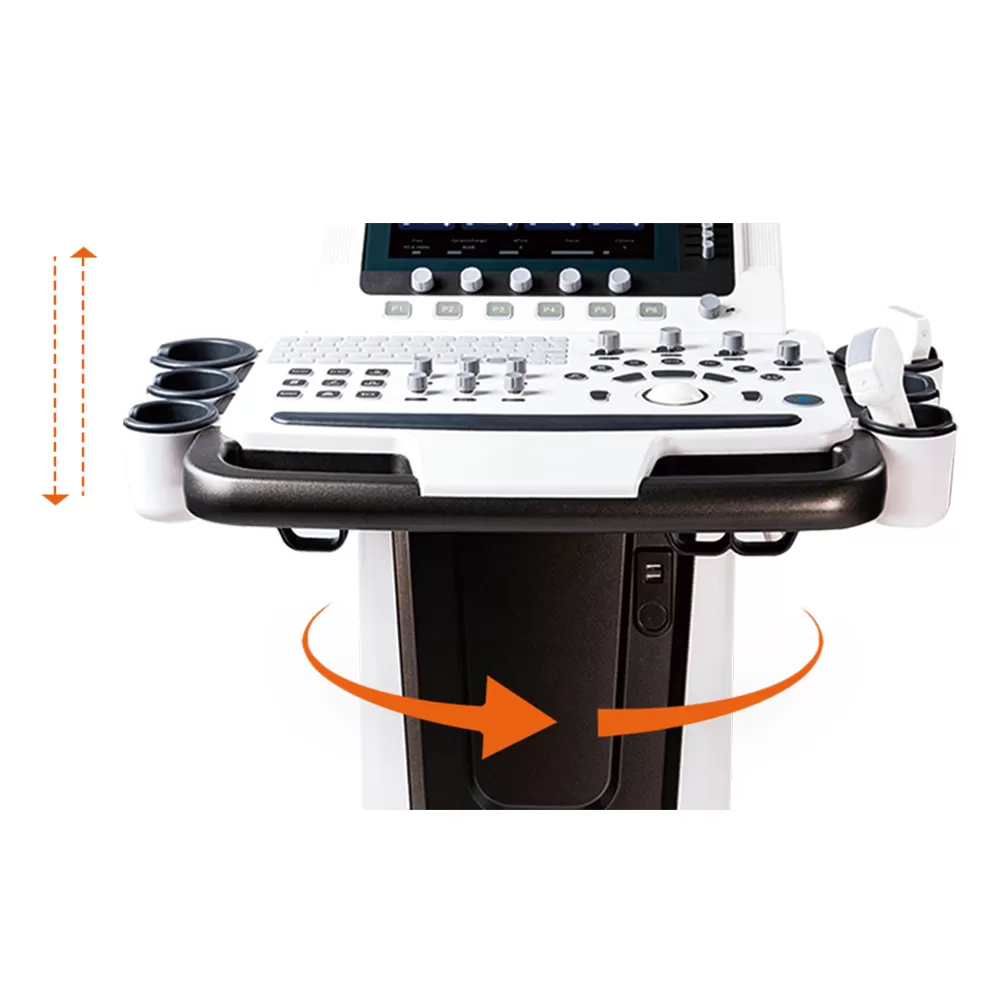
The high-definition adjustable monitor with flexible swivel arm adapts to various examination needs and minimizes neck burden, reducing fatigue during prolonged scanning sessions.How many probe ports does this system have?
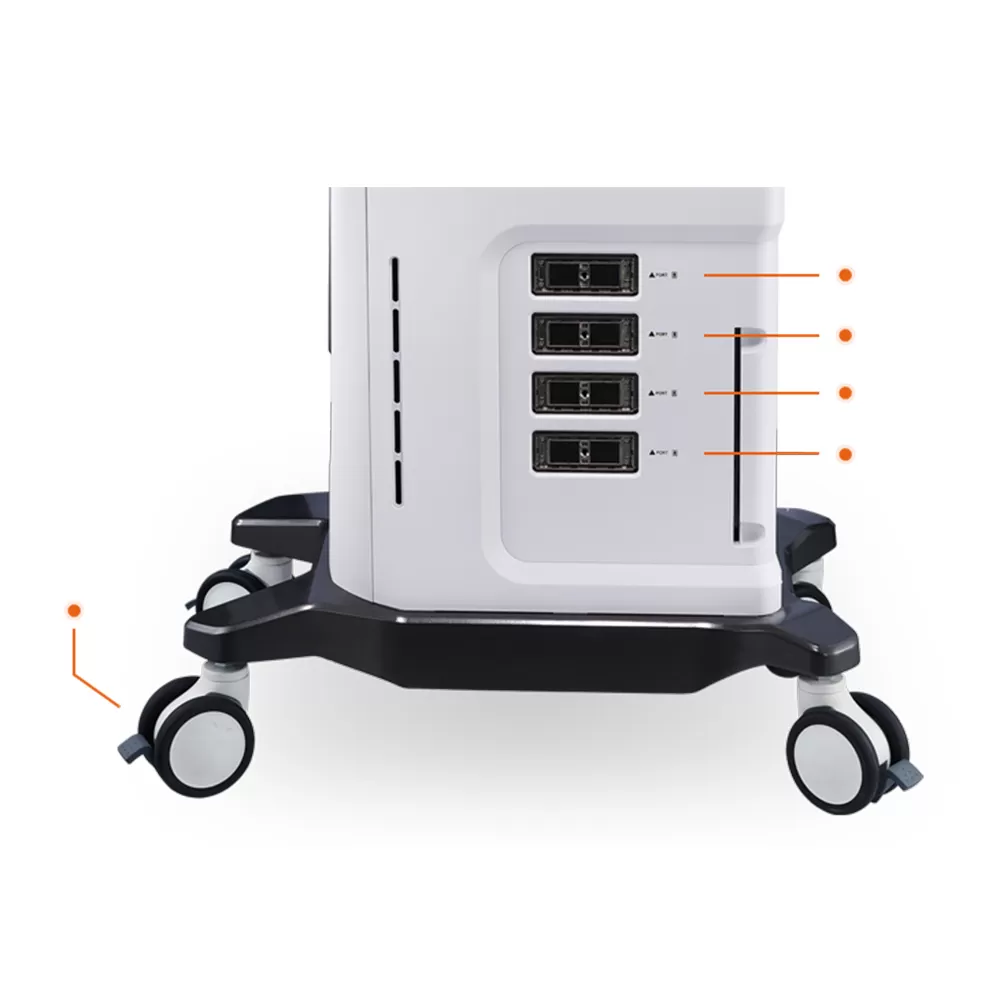
Based on the combined information, the system features 3-4 probe sockets that can be freely converted according to diagnostic needs, saving time and effort during examinations.What is the frequency range of the linear probe?
The system includes a high-frequency linear probe up to 17.0 MHz, ideal for superficial tissue, small parts, vascular, and musculoskeletal imaging with exceptional detail.What is ePure+ technology?
ePure+ is an advanced image processing technology that enhances tissue clarity, reduces noise, and improves border delineation for sharper, more detailed diagnostic images.What is Auto IMT used for?
Auto IMT (Intima-Media Thickness) is an automated measurement tool for assessing carotid artery wall thickness, helping in early detection and monitoring of cardiovascular disease risk.What is eView Panoramic Imaging?
eView Panoramic Imaging enables the creation of extended field-of-view images by stitching together multiple frames, allowing visualization of large anatomical structures in a single image.What is Trapezoid Imaging?
Trapezoid Imaging expands the field of view beyond the standard rectangular format, particularly useful for linear transducers to visualize wider areas near the skin surface.What is eSCI Spatial Compound Imaging Technology?
eSCI (Spatial Compound Imaging) acquires multiple frames from different angles and combines them into a single image, reducing speckle noise, artifacts, and improving tissue contrast.Is the control panel user-friendly?
Yes, the system features a user-friendly design with frequently used operations at your fingertips, allowing one-handed mastery and smart workflow for enhanced efficiency.What clinical applications does this system support?
It supports a wide range of applications including Abdomen, Gynecology, Urology, Obstetrics, Cardiology, Superficial Tissue, Small Organs, and more.How does the 3-4 probe port design improve workflow?
Multiple probe ports allow seamless switching between different transducers during examinations without unplugging and re-plugging, saving valuable time and effort.What makes this system cost-effective?
This system combines advanced imaging technologies (ePure+, eView, eSCI) with high-frequency probe capability and ergonomic design at a competitive price point, delivering exceptional diagnostic value.Can this system be used for vascular imaging?
Yes, with Auto IMT for carotid assessment and 17.0 MHz high-frequency linear probe, it is excellent for peripheral vascular and small parts imaging.Is this system suitable for musculoskeletal imaging?
Yes, the 17.0 MHz high-frequency linear probe makes it ideal for musculoskeletal and superficial structure imaging with exceptional detail.Does the system support DICOM connectivity?
Most modern ultrasound systems support DICOM for seamless integration with PACS, hospital networks, and electronic medical records.What quality certifications does this product hold?
Medical ultrasound systems typically comply with ISO 13485, CE, FDA, and other relevant medical device regulations—please confirm specific certifications with your supplier.What training and support are available?
Training availability varies by supplier; please inquire with your vendor about installation, clinical training, technical support, and service agreements.What are the power requirements?
Standard power requirements are typically 100-240V AC, 50/60Hz, though exact electrical specifications should be confirmed in the technical documentation.What is the warranty period?
Warranty terms vary by manufacturer and region; please consult your supplier for specific warranty coverage and service agreement details.
Popular Products

Diagnostic Ultrasound System G76

Digital Color Doppler Ultrasound System G71

Digital Color Doppler Ultrasound System EMP-3000

Digital Color Doppler Ultrasound System G33

Digital Color Doppler Ultrasound System G30

Digital Color Doppler Ultrasound System G20

Power Doppler Ultrasound N5

Power Doppler Black & White Ultrasound N2